Uniontown 
Connellsville 
(724) 320-2447

Blog

Understanding What a Cheilectomy Is

A big toe bone spur, also known as hallux rigidus, is a bony growth that forms on the joint at the base of the big toe. This condition often causes pain and stiffness, limiting mobility. Cheilectomy is a surgical procedure used to treat this condition by removing the bone spur and any damaged tissue from the joint. The main cause of a bone spur in the big toe is osteoarthritis, which leads to the deterioration of cartilage and the growth of bone over time. In some cases, an injury or overuse of the toe can also contribute to the development of such bone spurs. A cheilectomy helps restore movement and reduce pain, allowing patients to return to normal activities. The procedure is often effective for those with moderate symptoms, offering relief from discomfort and improving joint function. If you have pain in your big toe, it is suggested that you consult a podiatrist who can determine if this type of surgery is needed.

Foot surgery is sometimes necessary to treat a foot ailment. To learn more, contact Dr. Arnold Tarpley, Jr. of Tarpley Foot and Ankle Center. Dr. Tarpley will assist you with all of your foot and ankle needs.

When Is Surgery Necessary?

Foot and ankle surgery is generally reserved for cases in which less invasive, conservative procedures have failed to alleviate the problem. Some of the cases in which surgery may be necessary include:

  • Removing foot deformities like bunions and bone spurs
  • Severe arthritis that has caused bone issues
  • Cosmetic reconstruction

What Types of Surgery Are There?

The type of surgery you receive will depend on the nature of the problem you have. Some of the possible surgeries include:

  • Bunionectomy for painful bunions
  • Surgical fusion for realignment of bones
  • Neuropathy decompression surgery to treat nerve damage

Benefits of Surgery

Although surgery is usually a last resort, it can provide more complete pain relief compared to non-surgical methods and may allow you to finally resume full activity.

Surgical techniques have also become increasingly sophisticated. Techniques like endoscopic surgery allow for smaller incisions and faster recovery times.

If you have any questions, please feel free to contact one of our offices located in Uniontown, and Connellsville, PA . We offer the newest diagnostic and treatment technologies for all your foot care needs.

Read more about Foot and Ankle Surgery

Understanding the Three Levels of Turf Toe

Turf toe is an injury involving the joint at the base of the big toe, usually caused when the toe bends too far upward during sports or sudden forceful movement. Mild cases involve stretching of the surrounding soft tissues, causing tenderness, mild swelling, and discomfort with push-off movements. Moderate injuries involve partial tearing, often leading to more noticeable swelling, bruising, reduced movement, and pain during walking. Severe cases involve significant tissue damage or complete tearing, making weight-bearing difficult and causing marked pain, instability, and substantial swelling. Because the big toe plays an important role in balance and forward movement, even less severe injuries can affect activity and recovery, if ignored. A podiatrist can evaluate the extent of injury, recommend imaging when needed, and guide proper treatment to support healing. If you have pain in your big toe after sports or sudden foot injury, it is strongly suggested that you visit a podiatrist for appropriate care.

Toe pain can disrupt your daily activities. If you have any concerns, contact Dr. Arnold Tarpley, Jr. of Tarpley Foot and Ankle Center. Dr. Tarpley can provide the care you need to keep you pain-free and on your feet.

What Causes Toe Pain?

Most severe toe pain is caused due to a sports injury, trauma from dropping something heavy on the toe, or bumping into something rigid. Other problems can develop over time for various reasons.

Toe pain can be caused by one or more ailments. The most common include:

  • Trauma
  • Sports injury
  • Wearing shoes that are too tight
  • Arthritis
  • Gout
  • Corns and calluses
  • Hammertoe
  • Bunions
  • Blisters
  • Ingrown toenails
  • Sprains
  • Fractures (broken bones)
  • Dislocations

When to See a Podiatrist

  • Severe pain
  • Persistent pain that lasts more than a week
  • Signs of infection
  • Continued swelling
  • Pain that prevents walking

Diagnosis

In many cases the cause of toe pain is obvious, but in others, a podiatrist may want to use more advanced methods to determine the problem. These can range from simple visual inspections and sensation tests to X-rays and MRI scans. Prior medical history, family medical history, and any recent physical traumatic events will all be taken into consideration for a proper diagnosis.

Treatment

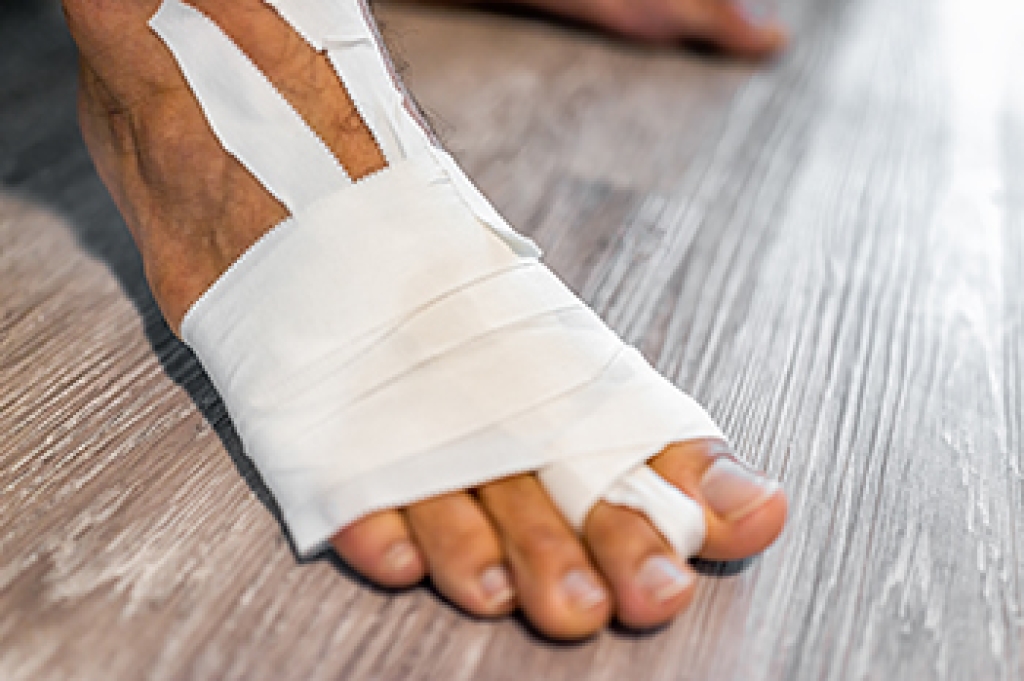
Treatments for toe pain and injuries vary and may include shoe inserts, padding, taping, medicines, injections, and in some cases, surgery. If you believe that you have broken a toe, please see a podiatrist as soon as possible.

If you have any questions please contact one of our offices located in Uniontown, and Connellsville, PA . We offer the newest diagnostic and treatment technologies for all your foot and ankle needs.
Read more about Toe Pain

Why Cracked Heels Happen

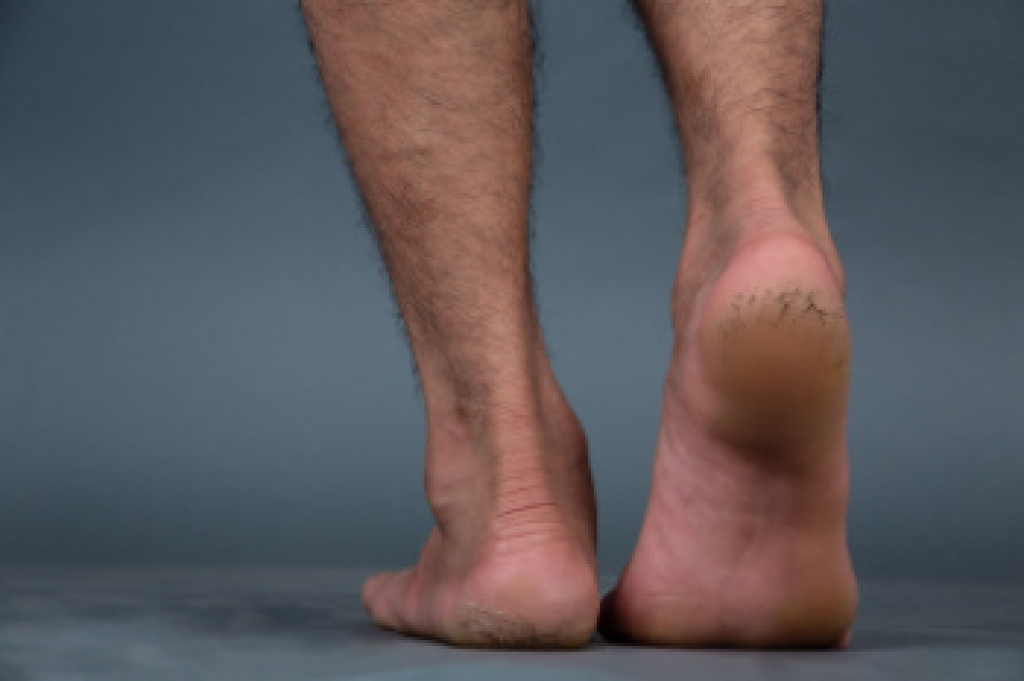
Cracked heels develop when the skin along the edge of the heel becomes dry and thick, causing it to split open. This often begins with dryness that leads to callus formation, which can eventually crack under pressure. Standing for long periods, walking barefoot, and carrying excess body weight can increase stress on the heel and worsen the problem. Other risk factors include aging skin, wearing poorly fitting shoes, and certain medical conditions that affect hydration or circulation. Cracked heels may start as mild roughness, but can progress to painful fissures that make walking uncomfortable. A podiatrist can remove thickened skin, treat deeper cracks, and address underlying causes to prevent recurrence. It is suggested that if you notice signs of cracked heels, you consult a podiatrist for effective relief and treatment solutions.

Cracked heels are unsightly and can cause further damage to your shoes and feet. If you have any concerns, contact Dr. Arnold Tarpley, Jr. from Tarpley Foot and Ankle Center. Dr. Tarpley can provide the care you need to keep you pain-free and on your feet.

Cracked Heels

Cracked heels appear unappealing and can make it harder for you walk around in sandals. Aside from looking unpleasant, cracked heels can also tear stockings, socks, and wear out your shoes. There are several methods to help restore a cracked heel and prevent further damage.

How Do You Get Them?

Dry skin is the number one culprit in creating cracked heels. Many athletes, walkers, joggers, and even swimmers suffer from cracked heels. Age and skin oil production play a role to getting cracked heels as well.

Promote Healing

Over the counter medicines can help, especially for those that need instant relief or who suffer from chronic dry feet.

Wear Socks – Wearing socks with medicated creams helps lock in moisture.

Moisturizers – Applying both day and night will help alleviate dryness which causes cracking.

Pumice Stones – These exfoliate and remove dead skin, which allows for smoother moisturizer application and better absorption into the skin. 

Change in Diet

Eating healthy with a well-balanced diet will give the skin a fresh and radiant look. Your body responds to the kinds of food you ingest. Omega-3 fatty acids and zinc supplements can also revitalize skin tissue.

Most importantly, seek professional help if unsure how to proceed in treating cracked heels. A podiatrist will help you with any questions or information needed. 

If you have any questions, please feel free to contact one of our offices located in Uniontown, and Connellsville, PA . We offer the newest diagnostic and treatment technologies for all your foot care needs.

Read more about Solutions for Cracked Heels

Gout Pain Can Be Managed

Gout is a painful, inflammatory form of arthritis. Those affected will typically feel an intense stiffness in the joints of their feet, particularly in the big toe. Schedule a visit to learn about how gout can be managed and treated.

Clubfoot and Early Treatment Options

Clubfoot is a congenital condition in which a baby’s foot is twisted inward and downward, affecting alignment and movement. The exact cause is not always clear, but it is often linked to genetic factors and differences in muscle and tendon development. Symptoms include a visibly turned foot, stiffness, and limited range of motion. Early treatment is important for healthy development. The Ponseti method uses gentle stretching and casting to gradually correct the position, while the French method involves daily stretching and taping. A podiatrist can help guide treatment, monitor progress, and support proper foot function. If your child was born with clubfoot, it is strongly suggested that you include a podiatrist on your health-care team to ensure the best outcome for healthy foot development.

Congenital foot problems require immediate attention to avoid future complications. If you have any concerns, contact Dr. Arnold Tarpley, Jr. of Tarpley Foot and Ankle Center. Dr. Tarpley can provide the care you need to keep you pain-free and on your feet.

Congenital foot problems are deformities affecting the feet, toes, and/or ankles that children are born with. Some of these conditions have a genetic cause while others just happen. Some specific foot ailments that children may be born with include clubfeet, polydactyly/macrodactyly, and cleft foot. There are several other foot anomalies that can occur congenitally. What all of these conditions have in common is that a child may experience difficulty walking or performing everyday activities, as well as trouble finding footwear that fits their foot deformity. Some of these conditions are more serious than others. Consulting with a podiatrist as early as possible will help in properly diagnosing a child’s foot condition while getting the necessary treatment underway.

What are Causes of Congenital Foot Problem?

A congenital foot problem is one that happens to a child at birth. These conditions can be caused by a genetic predisposition, developmental or positional abnormalities during gestation, or with no known cause.

What are Symptoms of Congenital Foot Problems?

Symptoms vary by the congenital condition. Symptoms may consist of the following:

  • Clubfoot, where tendons are shortened, bones are shaped differently, and the Achilles tendon is tight, causing the foot to point in and down. It is also possible for the soles of the feet to face each other.
  • Polydactyly, which usually consists of a nubbin or small lump of tissue without a bone, a toe that is partially formed but has no joints, or an extra toe.
  • Vertical talus, where the talus bone forms in the wrong position causing other bones in the foot to line up improperly, the front of the foot to point up, and the bottom of the foot to stiffen, with no arch, and to curve out.
  • Tarsal coalition, when there is an abnormal connection of two or more bones in the foot leading to severe, rigid flatfoot.
  • Cleft foot, where there are missing toes, a V-shaped cleft, and other anatomical differences.
  • Macrodactyly, when the toes are abnormally large due to overgrowth of the underlying bone or soft tissue.

Treatment and Prevention

While there is nothing one can do to prevent congenital foot problems, raising awareness and receiving neonatal screenings are important. Early detection by taking your child to a podiatrist leads to the best outcome possible.

If you have any questions, please feel free to contact one of our offices located in Uniontown, and Connellsville, PA . We offer the newest diagnostic and treatment technologies for all your foot care needs.

Read more about Congenital Foot Problems
Connect with us