
Uniontown 
Connellsville 
(724) 320-2447

Blog

Appropriate Treatment for Tarsal Tunnel Syndrome

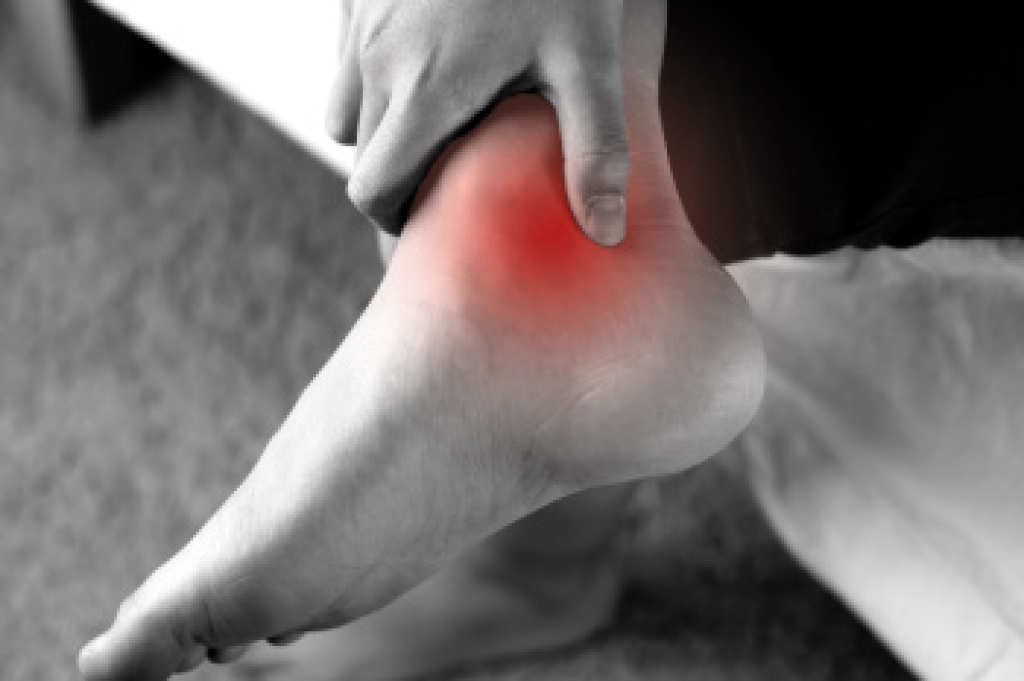
Tarsal tunnel syndrome develops when the tibial nerve is compressed as it passes through the tarsal tunnel on the inside of the ankle. This pressure can cause burning, tingling, numbness, and shooting pain that may radiate into the foot. Other signs include weakness in the foot muscles and increased discomfort with activity. Diagnosis often involves a physical examination, nerve testing, and imaging, like MRI scans, to identify compression or structural abnormalities. Risk factors include flat feet, ankle injuries, inflammation, and space-occupying lesions. A podiatrist can provide proper evaluation, recommend orthotics or supportive devices, and design a treatment plan to reduce nerve pressure. If you have pain in this part of your foot, it is suggested that you consult a podiatrist for an accurate diagnosis and appropriate treatment.

Tarsal tunnel syndrome can be very uncomfortable to live with. If you are experiencing tarsal tunnel syndrome, contact Dr. Arnold Tarpley, Jr. of Tarpley Foot and Ankle Center. Dr. Tarpley can provide the care you need to keep you pain-free and on your feet.

Tarsal Tunnel Syndrome

Tarsal tunnel syndrome, which can also be called tibial nerve dysfunction, is an uncommon condition of misfiring peripheral nerves in the foot. The tibial nerve is the peripheral nerve in the leg responsible for sensation and movement of the foot and calf muscles. In tarsal tunnel syndrome, the tibial nerve is damaged, causing problems with movement and feeling in the foot of the affected leg.

Common Cause of Tarsal Tunnel Syndrome

  • Involves pressure or an injury, direct pressure on the tibial nerve for an extended period of time, sometimes caused by other body structures close by or near the knee.
  • Diseases that damage nerves, including diabetes, may cause tarsal tunnel syndrome.
  • At times, tarsal tunnel syndrome can appear without an obvious cause in some cases.

The Effects of Tarsal Tunnel Syndrome

  • Different sensations, an afflicted person may experience pain, tingling, burning or other unusual sensations in the foot of the affected leg.
  • The foot muscles, toes and ankle become weaker, and curling your toes or flexing your foot can become difficult.
  • If condition worsens, infections and ulcers may develop on the foot that is experiencing the syndrome.

A physical exam of the leg can help identify the presence of tarsal tunnel syndrome. Medical tests, such as a nerve biopsy, are also used to diagnose the condition. Patients may receive physical therapy and prescriptive medication. In extreme cases, some may require surgery.

If you have any questions please contact one of our offices located in Uniontown, and Connellsville, PA . We offer the newest diagnostic and treatment technologies for all your foot and ankle needs.

Read more about Tarsal Tunnel Syndrome

When a Nerve Thickens Between the Toes

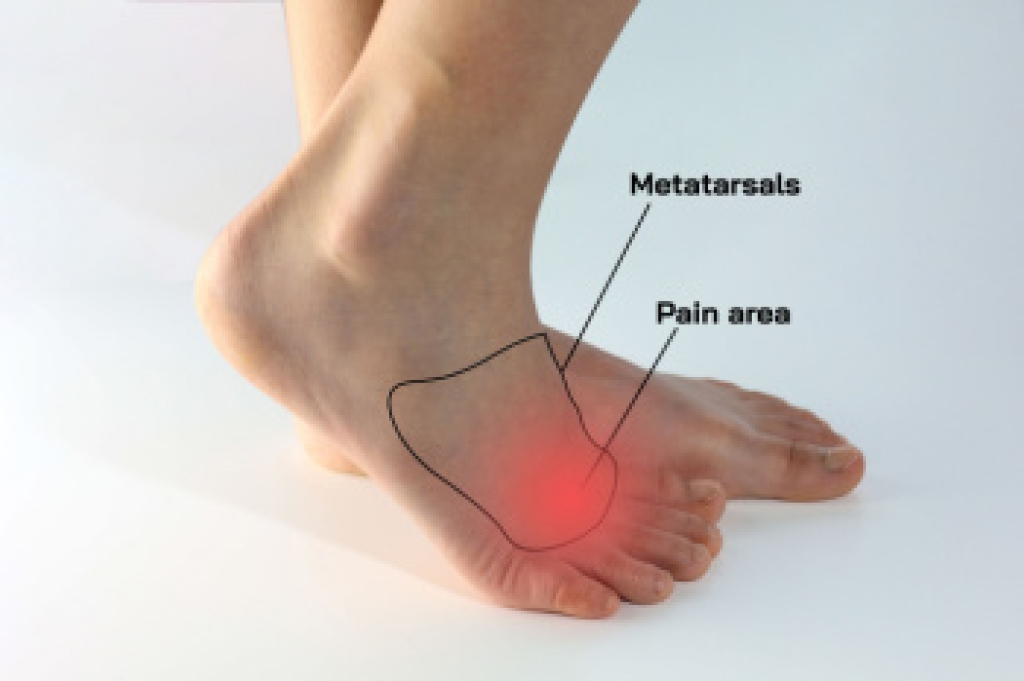
Morton’s neuroma is a painful condition caused by irritation and thickening of a nerve that runs between the toes, most often between the third and fourth toes. The problem develops when repeated pressure or stress compresses the nerve as it passes between the metatarsal bones. Patients commonly describe a burning or sharp pain in the ball of the foot that may radiate into the toes. Some people feel tingling, numbness, or the sensation of stepping on a small pebble inside the shoe. Symptoms may worsen when wearing tight shoes or high heels and often improve when the shoe is removed. Over time the discomfort can become more frequent during walking or standing. A podiatrist can diagnose Morton’s neuroma through a physical examination and by evaluating where the pain occurs when pressure is applied. Treatment may include shoe modifications, metatarsal padding, custom orthotics, and targeted exercises to reduce pressure on the nerve. If you think you may have Morton’s neuroma, it is suggested that you make an appointment with a podiatrist.

Morton’s neuroma is a very uncomfortable condition to live with. If you think you have Morton’s neuroma, contact Dr. Arnold Tarpley, Jr. of Tarpley Foot and Ankle Center. Dr. Tarpley will attend to all of your foot care needs and answer any of your related questions.  

Morton’s Neuroma

Morton's neuroma is a painful foot condition that commonly affects the areas between the second and third or third and fourth toe, although other areas of the foot are also susceptible. Morton’s neuroma is caused by an inflamed nerve in the foot that is being squeezed and aggravated by surrounding bones.

What Increases the Chances of Having Morton’s Neuroma?

  • Ill-fitting high heels or shoes that add pressure to the toe or foot
  • Jogging, running or any sport that involves constant impact to the foot
  • Flat feet, bunions, and any other foot deformities

Morton’s neuroma is a very treatable condition. Orthotics and shoe inserts can often be used to alleviate the pain on the forefront of the feet. In more severe cases, corticosteroids can also be prescribed. In order to figure out the best treatment for your neuroma, it’s recommended to seek the care of a podiatrist who can diagnose your condition and provide different treatment options.

If you have any questions, please feel free to contact one of our offices located in Uniontown, and Connellsville, PA . We offer the newest diagnostic and treatment technologies for all your foot care needs.

Read more about Morton's Neuroma

Preventing Falls Through Balance and Foot Health

Preventing falls is an important part of maintaining independence and overall health, especially as balance and strength change with age. Improving balance through activities such as tai chi can strengthen muscles, increase flexibility, and enhance body awareness. Regular physical activity also supports improved fitness, coordination, and stability, which may reduce the risk of falls. Proper foot care and wearing supportive footwear also play an important role in maintaining safe movement and balance. Foot pain, structural changes, or instability can increase the likelihood of losing balance while walking. A podiatrist can evaluate foot structure, recommend supportive footwear, and provide treatments that improve stability and comfort. If you have sustained a foot or ankle injury from falling, it is suggested that you consult a podiatrist who can offer effective treatment and prevention tips.

Preventing falls among the elderly is very important. If you are older and have fallen or fear that you are prone to falling, consult with Dr. Arnold Tarpley, Jr. from Tarpley Foot and Ankle Center. Dr. Tarpley will assess your condition and provide you with quality advice and care.

Every 11 seconds, an elderly American is being treated in an emergency room for a fall related injury. Falls are the leading cause of head and hip injuries for those 65 and older. Due to decreases in strength, balance, senses, and lack of awareness, elderly persons are very susceptible to falling. Thankfully, there are a number of things older persons can do to prevent falls.

How to Prevent Falls

Some effective methods that older persons can do to prevent falls include:

  • Enrolling in strength and balance exercise program to increase balance and strength
  • Periodically having your sight and hearing checked
  • Discuss any medications you have with a doctor to see if it increases the risk of falling
  • Clearing the house of falling hazards and installing devices like grab bars and railings
  • Utilizing a walker or cane
  • Wearing shoes that provide good support and cushioning
  • Talking to family members about falling and increasing awareness

Falling can be a traumatic and embarrassing experience for elderly persons; this can make them less willing to leave the house, and less willing to talk to someone about their fears of falling. Doing such things, however, will increase the likelihood of tripping or losing one’s balance. Knowing the causes of falling and how to prevent them is the best way to mitigate the risk of serious injury.  

If you have any questions, please feel free to contact one of our offices located in Uniontown, and Connellsville, PA . We offer the newest diagnostic and treatment technologies for all your foot care needs.

Read more about Falls Prevention

Protecting Foot Health When You Have Inflammatory Arthritis

Inflammatory arthritis is a group of conditions in which the immune system causes ongoing joint inflammation. Common types include rheumatoid arthritis, psoriatic arthritis, ankylosing spondylitis, and gout. These conditions often affect the feet and ankles early, leading to pain, swelling, stiffness, and changes in joint structure. Over time, inflammation can alter foot shape, increase pressure points, and make walking difficult. Proper foot care helps reduce discomfort and protect mobility. Wearing supportive footwear with cushioning and adequate toe space can limit joint stress, while custom orthotics may improve alignment and pressure distribution. Gentle movement, stretching, and pacing daily activities can also help manage symptoms. Swelling and joint changes increase the risk of skin irritation, calluses, and nail problems, making routine foot checks important. If foot pain, deformity, or walking difficulty develops, it is suggested that you see a podiatrist for evaluation and appropriate treatment.

Arthritis can be a difficult condition to live with. If you are seeking treatment, contact Dr. Arnold Tarpley, Jr. from Tarpley Foot and Ankle Center. Dr. Tarpley can provide the care you need to keep you pain-free and on your feet.

Arthritic Foot Care  

Arthritis is a term that is commonly used to describe joint pain.  The condition itself can occur to anyone of any age, race, or gender, and there are over 100 types of it.  Nevertheless, arthritis is more commonly found in women compared to men, and it is also more prevalent in those who are overweight. The causes of arthritis vary depending on which type of arthritis you have. Osteoarthritis for example, is often caused by injury, while rheumatoid arthritis is caused by a misdirected immune system.

Symptoms

  • Swelling
  • Pain
  • Stiffness
  • Decreased Range of Motion

Arthritic symptoms range in severity, and they may come and go. Some symptoms stay the same for several years but could potentially get worse with time. Severe cases of arthritis can prevent its sufferers from performing daily activities and make walking difficult.

Risk Factors

  • Occupation – Occupations requiring repetitive knee movements have been linked to osteoarthritis
  • Obesity – Excess weight can contribute to osteoarthritis development
  • Infection – Microbial agents can infect the joints and trigger arthritis
  • Joint Injuries – Damage to joints may lead to osteoarthritis
  • Age – Risk increases with age
  • Gender –Most types are more common in women
  • Genetics – Arthritis can be hereditary

If you suspect your arthritis is affecting your feet, it is crucial that you see a podiatrist immediately. Your doctor will be able to address your specific case and help you decide which treatment method is best for you.

If you have any questions please feel free to contact one of our offices located in Uniontown, and Connellsville, PA . We offer the newest diagnostic tools and technology to treat your foot and ankle needs.

Read more about How to Care for Your Arthritic Foot

Why Live with Pain and Numbness in Your Feet?

Suffering from this type of pain? You may have the foot condition known as Morton's neuroma. Morton's neuroma may develop as a result of ill-fitting footwear and existing foot deformities. We can help.

Connect with us