
Uniontown 
Connellsville 
(724) 320-2447

Blog

How Your Shoes Might Be Causing Your Blisters

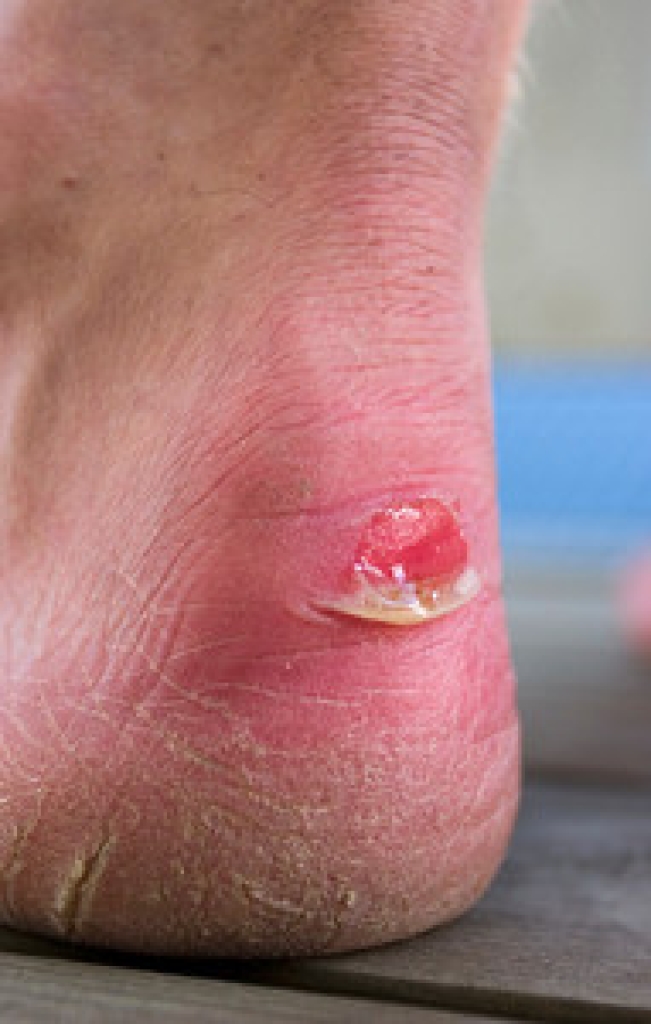
Blisters form as the result of an excessive amount of friction and pressure caused by ill-fitting footwear. While most blisters tend to heal three to seven days after they have formed, this isn’t always the case. More serious cases of blisters may not heal within this time frame and may even change color. If you want to avoid blisters you should always wear comfortable shoes that fit well. This is especially important if you are going for a run or doing some other rigorous activity. Another tip is to wear dual layer socks so that you can avoid any unnecessary friction. If you do end up developing a blister you should be careful not to pop it on your own. This could potentially lead to infection and make things much worse.  

Blisters are prone to making everyday activities extremely uncomfortable. If your feet are hurting, contact Dr. Arnold Tarpley, Jr. of Tarpley Foot and Ankle Center. Dr. Tarpley can provide the care you need to keep you pain-free and on your feet.

Foot Blisters

Foot blisters develop as a result of constantly wearing tight or ill-fitting footwear. This happens due to the constant rubbing from the shoe, which can often lead to pain.

What Are Foot Blisters?

A foot blister is a small fluid-filled pocket that forms on the upper-most layer of the skin. Blisters are filled with clear fluid and can lead to blood drainage or pus if the area becomes infected.

How Do Blisters Form?

Blisters on the feet are often the result of constant friction of skin and material, usually by shoe rubbing. Walking in sandals, boots, or shoes that don’t fit properly for long periods of time can result in a blister. Having consistent foot moisture and humidity can easily lead to blister formation.

Prevention & Treatment

It is important to properly care for the affected area in order to prevent infection and ease the pain. Do not lance the blister and use a Band-Aid to provide pain relief. Also, be sure to keep your feet dry and wear proper fitting shoes. If you see blood or pus in a blister, seek assistance from a podiatrist.

If you have any questions, please feel free to contact one of our offices located in Uniontown, and Connellsville, PA . We offer the newest diagnostic and treatment technologies for all your foot care needs.
Read more about Blisters on the Feet

The Importance of Having Good Blood Circulation

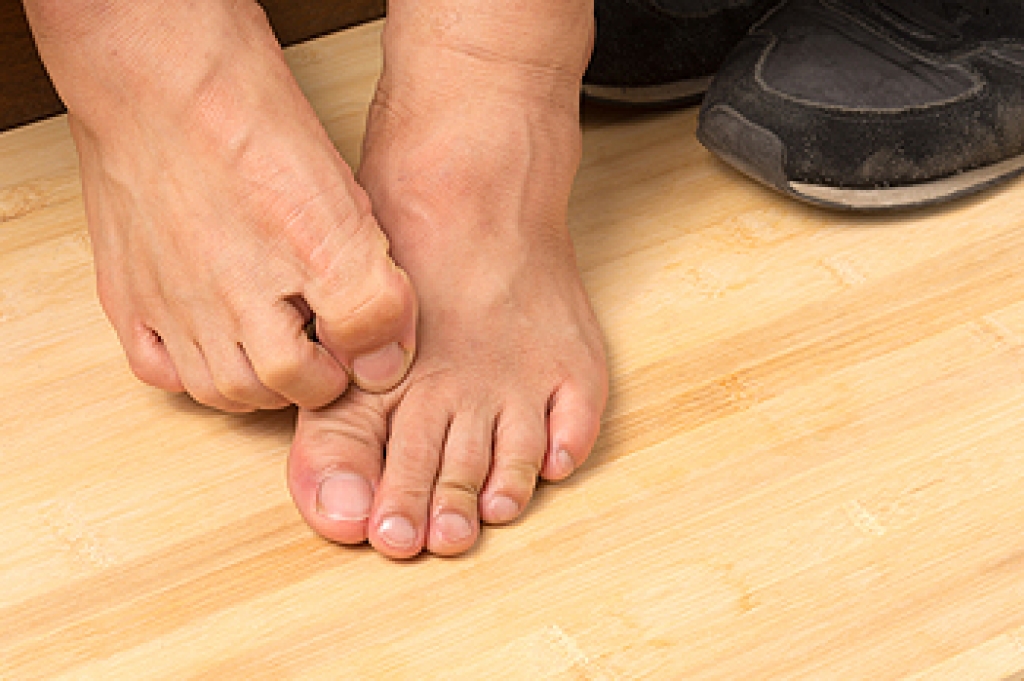
Blood circulation is an essential bodily function since it supplies the body’s vital organs with enough oxygen and nutrients needed to operate. Poor blood circulation can potentially harm the heart, kidneys, and brain, and it may even have fatal consequences if left untreated. One of the most common signs of poor circulation is numbness in the hands and feet. This is often the result of compressed nerves, extreme coldness, a lack of magnesium, and vitamin B12 deficiency.  Another obvious sign of poor circulation is swelling in the lower extremities. If you notice you have swelling, you should lay down and raise your legs up above your heart. Coldness in the hands and feet is another symptom of poor circulation that should not go unnoticed. A disruption of blood flow prevents the blood from reaching the furthest parts of the body, which are the fingers and toes.

Poor circulation is a serious condition and needs immediate medical attention. If you have any concerns with poor circulation in your feet contact Dr. Arnold Tarpley, Jr. of Tarpley Foot and Ankle Center. Dr. Tarpley will treat your foot and ankle needs.

Poor Circulation in the Feet

Poor blood circulation in the feet and legs is can be caused by peripheral artery disease (PAD), which is the result of a buildup of plaque in the arteries.

Plaque buildup or atherosclerosis results from excess calcium and cholesterol in the bloodstream. This can restrict the amount of blood which can flow through the arteries. Poor blood circulation in the feet and legs are sometimes caused by inflammation in the blood vessels, known as vasculitis.

Causes

Lack of oxygen and oxygen from poor blood circulation restricts muscle growth and development. It can also cause:

  • Muscle pain, stiffness, or weakness 
  • Numbness or cramping in the legs
  • Skin discoloration
  • Slower nail & hair growth
  • Erectile dysfunction

Those who have diabetes or smoke are at greatest risk for poor circulation, as are those who are over 50. If you have poor circulation in the feet and legs it may be caused by PAD and is important to make changes to your lifestyle in order to reduce risk of getting a heart attack or stroke. Exercise and maintaining a healthy lifestyle will dramatically improve conditions.

As always, see a podiatrist as he or she will assist in finding a regimen that suits you. A podiatrist can also prescribe you any needed medication. 

If you have any questions, please feel free to contact one of our offices located in Uniontown, and Connellsville, PA . We offer the newest diagnostic and treatment technologies for all your foot care needs.
Read more about Causes, Symptoms, and Treatment of Poor Blood Circulation in the Feet

The Connection Between Obesity, RA, and the Health of Your Feet

According to the World Health Organization (WHO), over 2.8 million people die each year due to complications resulting from obesity. Researchers at the University Hospital in Denmark conducted a study that showed obesity was linked to an increased risk of rheumatoid arthritis development in women. This is largely attributed to the fact that obesity disrupts bone health and development. Rheumatoid arthritis is a condition that affects the joints in the feet, hands, and knees. While there isn’t a cure for the inflammatory disorder, the best way to treat it is by use of medication and physical therapy.

Obesity has become very problematic at this point in time and can have extremely negative effects on the feet. If you’re an obese individual and are concerned about your feet, contact Dr. Arnold Tarpley, Jr. from Tarpley Foot and Ankle Center. Dr. Tarpley can provide the care you need to keep you pain-free and on your feet.

Obesity and Your Feet

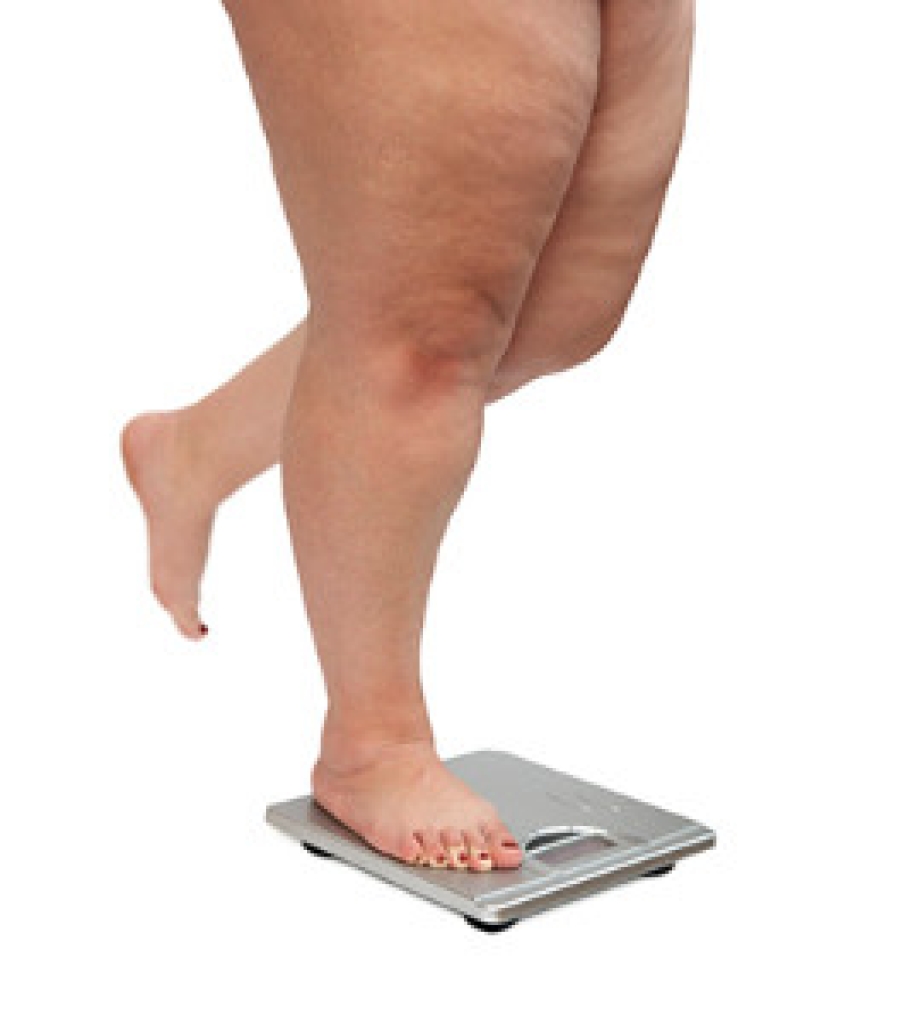
Since your feet are what support your entire weight when standing, any additional weight can result in pain and swelling. Being overweight is one of the main contributors to foot complications.

Problems & Complications

Extra Weight – Even putting on just a few extra pounds could create serious complications for your feet. As your weight increases, your balance and body will shift, creating new stresses on your feet. This uneven weight distribution can cause pain, even while doing the simplest tasks, such as walking.

Diabetes – People who are overweight are at serious risk of developing type-2 diabetes, which has a drastic impact on the health of your feet. As you get older, your diabetes might worsen, which could lead to loss of feeling in your feet, sores, and bruises. You could also become more prone to various infections.

Plantar fasciitis – Pressure and stress that is placed on muscles, joints, and tendons can trigger plantar fasciitis, which is an inflammation of tissue that forms along the bottom of the foot. 

If you have any questions, please feel free to contact one of our offices located in Uniontown, and Connellsville, PA . We offer the newest diagnostic and treatment technologies for all your foot care needs.

Read more about How Obesity Affects Your Feet

How Pop Stars Can Influence the Health of Your Child’s Feet

Surprisingly, there are girls who are as young as six-years-old who are starting to wear heels. Researchers have found that celebrities such as Taylor Swift and girl-group ‘Little Mix’ are part of the reason why young girls are wanting to wear heels. According to a study, one in ten girls begins to wear small heeled shoes at age six, which may cause the calf muscles to shorten while also putting pressure on the ball of the foot. Another study was able to find that children are in danger of suffering long term damage to their feet due to the unsuitable shoes they are wearing. It is crucial that parents have their child’s feet measured from ages one to three, because this is the stage where foot growth occurs most rapidly.

Making sure that your children maintain good foot health is very important as they grow. If you have any questions, contact Dr. Arnold Tarpley, Jr. of Tarpley Foot and Ankle Center. Dr. Tarpley can provide the care you need to keep you pain-free and on your feet.

Keeping Children's Feet Healthy

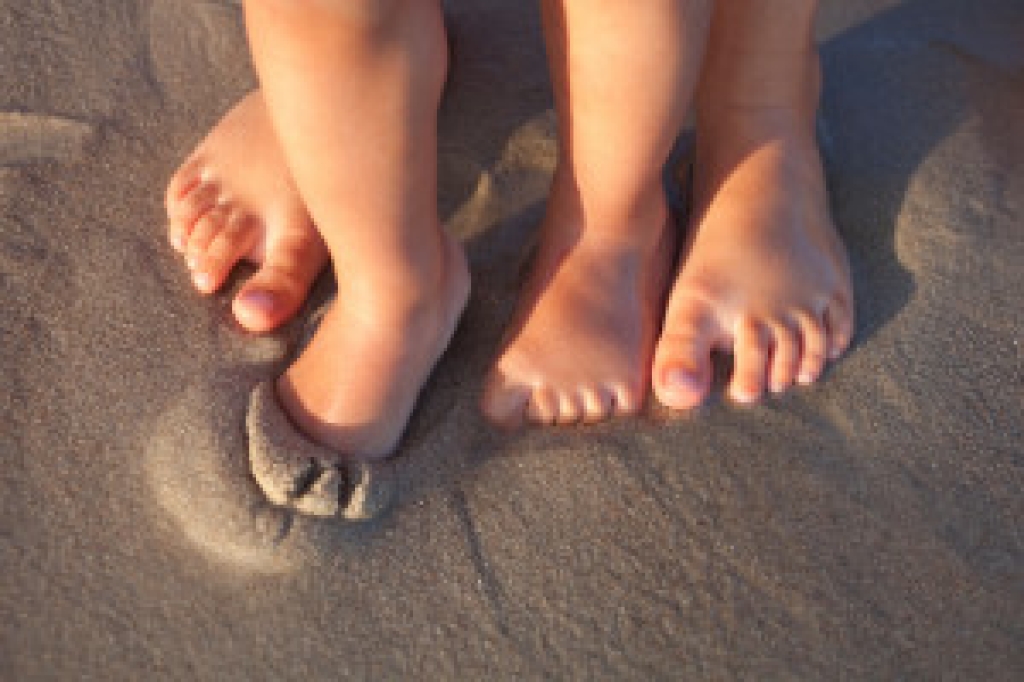
Having healthy feet during childhood can help prevent medical problems later in life, namely in the back and legs. As children grow, their feet require different types of care. Here are some things to consider...

Although babies do not walk yet, it is still very important to take care of their feet.

Avoid putting tight shoes or socks on his or her feet.

Allow the baby to stretch and kick his or her feet to feel comfortable.

As a toddler, kids are now on the move and begin to develop differently. At this age, toddlers are getting a feel for walking, so don’t be alarmed if your toddler is unsteady or ‘walks funny’. 

As your child gets older, it is important to teach them how to take care of their feet.

Show them proper hygiene to prevent infections such as fungus.

Be watchful for any pain or injury.

Have all injuries checked by a doctor as soon as possible.

Comfortable, protective shoes should always be worn, especially at play.

If you have any questions, please feel free to contact one of our offices located in Uniontown, and Connellsville, PA . We offer the newest diagnostic and treatment technologies for all your foot care needs.

Read more about What to Do to Keep Your Child’s Feet Healthy
Connect with us