
Uniontown 
Connellsville 
(724) 320-2447

Blog

The Many Causes of Heel Pain

Heel pain is a frequent concern that can have several different sources. Plantar fasciitis is one of the most common, creating sharp discomfort in the bottom of the heel, especially with the first steps in the morning. Heel spurs may also be involved, as bony growths that develop along the heel bone can irritate nearby tissue. Pain at the back of the heel may signal Achilles tendonitis, often caused by tight calf muscles or repetitive strain. Less frequent, but possible, causes include stress fractures, nerve irritation, or bursitis. Footwear that lacks support, extra body weight, and high impact activity can increase the likelihood of these issues. Since treatment depends on the exact cause, professional evaluation is important. If heel pain is interfering with your daily life, it is suggested that you schedule a visit with a podiatrist for a proper diagnosis and appropriate care.

Many people suffer from bouts of heel pain. For more information, contact Dr. Arnold Tarpley, Jr. of Tarpley Foot and Ankle Center. Dr. Tarpley can provide the care you need to keep you pain-free and on your feet.

Causes of Heel Pain

Heel pain is often associated with plantar fasciitis. The plantar fascia is a band of tissues that extends along the bottom of the foot. A rip or tear in this ligament can cause inflammation of the tissue.

Achilles tendonitis is another cause of heel pain. Inflammation of the Achilles tendon will cause pain from fractures and muscle tearing. Lack of flexibility is also another symptom.

Heel spurs are another cause of pain. When the tissues of the plantar fascia undergo a great deal of stress, it can lead to ligament separation from the heel bone, causing heel spurs.

Why Might Heel Pain Occur?

  • Wearing ill-fitting shoes                
  • Wearing non-supportive shoes
  • Weight change           
  • Excessive running

Treatments

Heel pain should be treated as soon as possible for immediate results. Keeping your feet in a stress-free environment will help. If you suffer from Achilles tendonitis or plantar fasciitis, applying ice will reduce the swelling. Stretching before an exercise like running will help the muscles. Using all these tips will help make heel pain a condition of the past.

If you have any questions, please feel free to contact one of our offices located in Uniontown, and Connellsville, PA . We offer the newest diagnostic and treatment technologies for all your foot care needs.
Read more about Heel Pain

Runners and Cuboid Syndrome

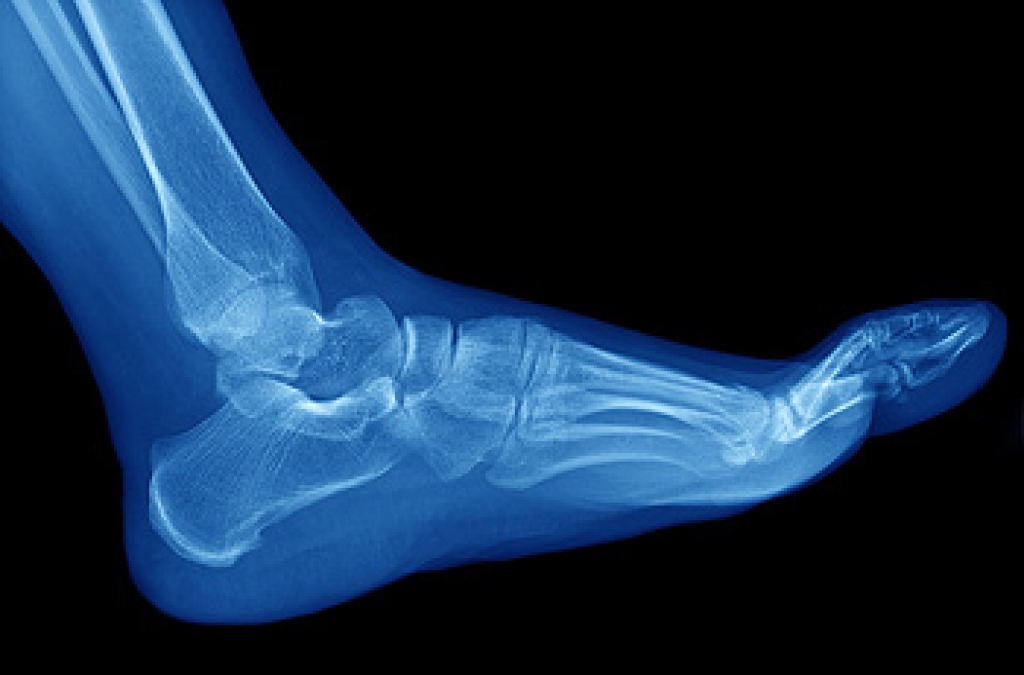
One of seven tarsal bones in the foot is referred to as the cuboid bone. It is found on the outside of the foot, has six sides, and resembles a cube. It enables the foot to maintain stability, and can be partially responsible for distributing body weight. The cuboid bone resembles a pulley, and functions with other bones in the foot. The condition that is known as cuboid syndrome commonly affects athletes and ballet dancers. These groups of people may be prone to ankle sprains, and as a result, the cuboid bone may become injured. Mild relief may be felt when the affected foot is elevated, and it may be beneficial to wrap an elastic bandage around the foot which can help to stabilize the ankle. If you have cuboid syndrome, please consult with a podiatrist who can effectively treat this ailment as quickly as possible.

Cuboid syndrome, also known as cuboid subluxation, occurs when the joints and ligaments near the cuboid bone in the foot become torn. If you have cuboid syndrome, consult with Dr. Arnold Tarpley, Jr. from Tarpley Foot and Ankle Center. Dr. Tarpley will assess your condition and provide you with quality foot and ankle treatment.

Cuboid syndrome is a common cause of lateral foot pain, which is pain on the outside of the foot. The condition may happen suddenly due to an ankle sprain, or it may develop slowly overtime from repetitive tension through the bone and surrounding structures.

Causes

The most common causes of cuboid syndrome include:

  • Injury – The most common cause of this ailment is an ankle sprain.
  • Repetitive Strain – Tension placed through the peroneus longus muscle from repetitive activities such as jumping and running may cause excessive traction on the bone causing it to sublux.
  • Altered Foot Biomechanics – Most people suffering from cuboid subluxation have flat feet.

Symptoms

A common symptom of cuboid syndrome is pain along the outside of the foot which can be felt in the ankle and toes. This pain may create walking difficulties and may cause those with the condition to walk with a limp.

Diagnosis

Diagnosis of cuboid syndrome is often difficult, and it is often misdiagnosed. X-rays, MRIs and CT scans often fail to properly show the cuboid subluxation. Although there isn’t a specific test used to diagnose cuboid syndrome, your podiatrist will usually check if pain is felt while pressing firmly on the cuboid bone of your foot.

Treatment

Just as the range of causes varies widely, so do treatments. Some more common treatments are ice therapy, rest, exercise, taping, and orthotics.

If you have any questions, please feel free to contact one of our offices located in Uniontown, and Connellsville, PA . We offer the newest diagnostic and treatment technologies for all your foot care needs.
Read more about All About Cuboid Syndrome

Symptoms and Causes of Foot Tendonitis

Symptoms of tendonitis in the foot often begin with sharp, burning, or aching pain along the affected tendon, especially during movement. Swelling can develop over time, sometimes forming into a tender lump along the tendon. Stiffness in the foot or ankle may limit motion and make walking, climbing stairs, or standing on tiptoes uncomfortable. Discomfort is usually worse with activity and may temporarily ease with rest, only to return when weight is placed back on the foot. Causes of tendonitis in the foot include repetitive strain from activities that overwork the tendons, direct injuries such as an ankle sprain, or friction from shoes that rub against the tendon. Abnormal foot structure, like flat feet or high arches, can also place uneven stress on tendons, increasing the risk of inflammation. A podiatrist can identify which tendon is affected, provide guidance on proper support, and recommend treatment that may include surgery, if necessary. If you are experiencing symptoms of tendonitis in the feet, it is suggested that you schedule an appointment with a podiatrist for an evaluation and appropriate treatment.

Foot Pain

Foot pain can be extremely painful and debilitating. If you have a foot pain, consult with Dr. Arnold Tarpley, Jr. from Tarpley Foot and Ankle Center. Dr. Tarpley will assess your condition and provide you with quality foot and ankle treatment.

Causes

Foot pain is a very broad condition that could be caused by one or more ailments. The most common include:

  • Bunions
  • Hammertoes
  • Plantar Fasciitis
  • Bone Spurs
  • Corns
  • Tarsal Tunnel Syndrome
  • Ingrown Toenails
  • Arthritis (such as Gout, Rheumatoid, and Osteoarthritis)
  • Flat Feet
  • Injury (from stress fractures, broken toe, foot, ankle, Achilles tendon ruptures, and sprains)
  • And more

Diagnosis

To figure out the cause of foot pain, podiatrists utilize several different methods. This can range from simple visual inspections and sensation tests to X-rays and MRI scans. Prior medical history, family medical history, and any recent physical traumatic events will all be taken into consideration for a proper diagnosis.

Treatment

Treatment depends upon the cause of the foot pain. Whether it is resting, staying off the foot, or having surgery; podiatrists have a number of treatment options available for foot pain.

If you have any questions, please feel free to contact one of our offices located in Uniontown, and Connellsville, PA . We offer the newest diagnostic and treatment technologies for all your foot care needs.

Read more about Foot Pain

When the Big Toe Stops Bending

Hallux rigidus is a form of arthritis that affects the big toe joint, making it stiff and painful. The condition often begins with mild discomfort when walking or bending the toe, but over time the joint loses flexibility. People may notice swelling, difficulty wearing certain shoes, or pain that worsens with activity. In advanced cases, even standing can become uncomfortable as the joint becomes increasingly rigid. This problem usually develops from wear and tear on the joint, past injuries, or inherited foot structure. Because the big toe plays a key role in movement, hallux rigidus can significantly affect mobility and daily comfort. Early treatment may include anti-inflammatory medication, shoe modifications, or custom orthotics to ease pressure. If the joint damage is more severe, surgery may be considered. If you have pain in your big toe joint, it is suggested that you see a podiatrist to ensure the condition is managed properly, mobility preserved, and pain reduced.

Arthritis can be a difficult condition to live with. If you are seeking treatment, contact Dr. Arnold Tarpley, Jr. from Tarpley Foot and Ankle Center. Dr. Tarpley can provide the care you need to keep you pain-free and on your feet.

Arthritic Foot Care  

Arthritis is a joint disorder that involves the inflammation of different joints in your body, such as those in your feet. Arthritis is often caused by a degenerative joint disease and causes mild to severe pain in all affected areas. In addition to this, swelling and stiffness in the affected joints can also be a common symptom of arthritis.

In many cases, wearing ill-fitting shoes can worsen the effects and pain of arthritis. Wearing shoes that have a lower heel and extra room can help your feet feel more comfortable. In cases of rheumatoid arthritis, the arch in your foot may become problematic. Buying shoes with proper arch support that contour to your feet can help immensely.

Alleviating Arthritic Pain

  • Exercises that stretch the foot can prevent further pain and injury and increase mobility
  • Most of the pain can be alleviated with anti-inflammatory drugs, heat, and topical medications
  • Massages can help temporarily alleviate pain.

It is best to see your doctor for the treatment that is right for your needs and symptoms. Conditions vary, and a podiatrist can help you determine the right method of care for your feet.

If you have any questions please feel free to contact one of our offices located in Uniontown, and Connellsville, PA . We offer the newest diagnostic tools and technology to treat your foot and ankle needs.

Read more about Arthritic Foot Care

Plantar Warts Can Be Treated!

Plantar warts are small growths that develop on parts of the feet that bear weight. They're typically found on the bottom of the foot. Don't live with plantar warts, and call us today!

Connect with us