
Uniontown 
Connellsville 
(724) 320-2447

Blog

Why Ingrown Toenail Surgery May Be Necessary for Lasting Relief

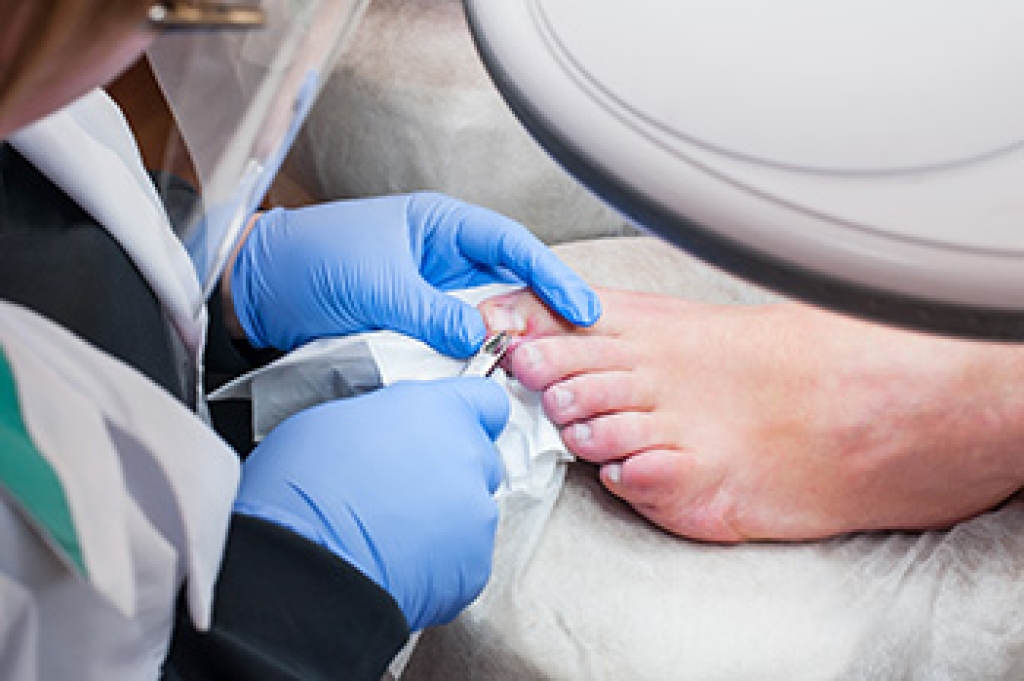
An ingrown toenail occurs when the edge of the nail grows into the surrounding skin, causing pain, redness, swelling, and sometimes infection. This condition most often affects the big toe and can worsen, if left untreated. When conservative care does not resolve the problem or when infection continues to return, ingrown toenail surgery may be necessary. The procedure involves carefully removing the portion of the nail that is causing irritation, and, in some cases, treating the nail root to prevent recurrence. A podiatrist performs this procedure safely and comfortably in an office setting while guiding proper healing. If you have persistent toe pain or infection from an ingrown toenail, it is suggested that you promptly consult a podiatrist who can determine if this type of surgery needs to be performed.

Foot surgery is sometimes necessary to treat a foot ailment. To learn more, contact Dr. Arnold Tarpley, Jr. of Tarpley Foot and Ankle Center. Dr. Tarpley will assist you with all of your foot and ankle needs.

When Is Surgery Necessary?

Foot and ankle surgery is generally reserved for cases in which less invasive, conservative procedures have failed to alleviate the problem. Some of the cases in which surgery may be necessary include:

  • Removing foot deformities like bunions and bone spurs
  • Severe arthritis that has caused bone issues
  • Cosmetic reconstruction

What Types of Surgery Are There?

The type of surgery you receive will depend on the nature of the problem you have. Some of the possible surgeries include:

  • Bunionectomy for painful bunions
  • Surgical fusion for realignment of bones
  • Neuropathy decompression surgery to treat nerve damage

Benefits of Surgery

Although surgery is usually a last resort, it can provide more complete pain relief compared to non-surgical methods and may allow you to finally resume full activity.

Surgical techniques have also become increasingly sophisticated. Techniques like endoscopic surgery allow for smaller incisions and faster recovery times.

If you have any questions, please feel free to contact one of our offices located in Uniontown, and Connellsville, PA . We offer the newest diagnostic and treatment technologies for all your foot care needs.
Read more about Foot Surgery

Why Aging Feet Need a Different Kind of Attention

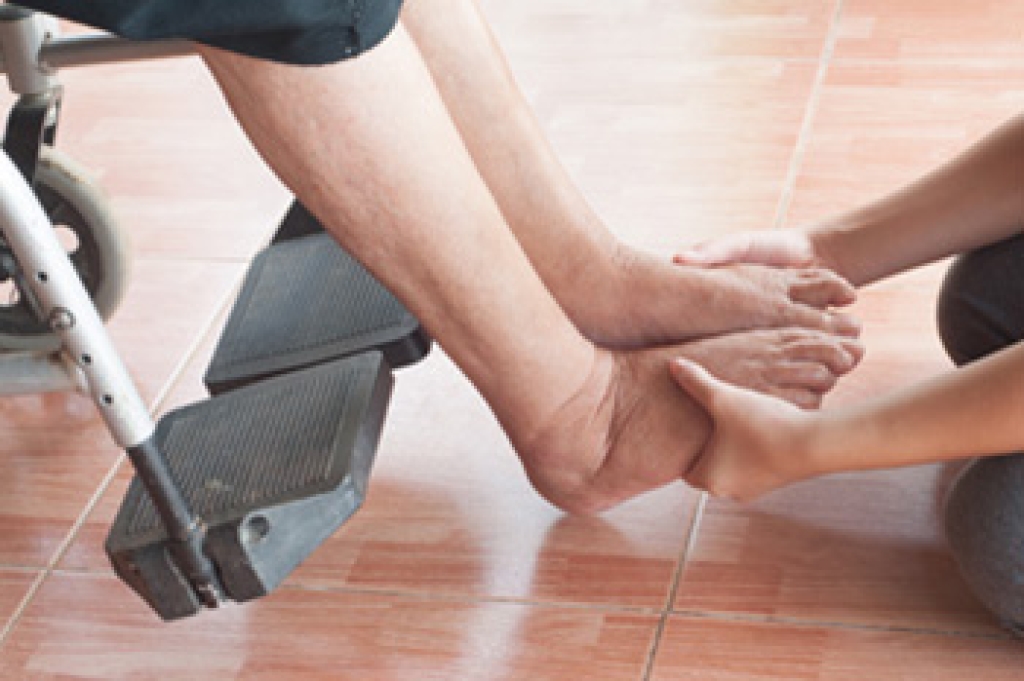
Feet change quietly with age, often long before pain appears. Skin becomes thinner and drier, making cracks and wounds more likely. Fat pads that once cushioned the foot slowly shrink, increasing pressure on bones and joints. Nails may thicken or curve, turning simple trimming into a challenge. Circulation can slow, which affects healing and temperature regulation. Balance changes may also alter how weight moves through the foot, leading to calluses, soreness, or instability. These shifts are easy to overlook because they develop gradually and feel like a normal part of aging. However, untreated foot problems can reduce mobility and independence, over time. Regular evaluation helps catch concerns early and supports safer walking. If walking becomes uncomfortable or skin changes appear, it is suggested you see a podiatrist for these foot-related concerns.

If you need your feet checked, contact Dr. Arnold Tarpley, Jr. of Tarpley Foot and Ankle Center. Dr. Tarpley will attend to all of your foot and ankle needs and provide you with quality treatment.

Geriatrics and Podiatry
When people age, some common issues that may occur are bone density loss, dry skin, poor circulation, and rough brittle nails. These issues may also affect your foot health if the necessary steps are not taken to alleviate the problems.

It is important to take care of your feet because feet that are injured or diseased can affect your overall health. Having painful feet hinders your ability to do daily activities or may decrease your willingness to do the things that you need to do.

Visiting Your Geriatrician
As we age, health problems become more likely, so it is essential to visit your doctor for check-ups to ensure that you are doing the best you can to take care of your health. It is recommended to check your feet frequently for any possible cuts, bruises, swelling, corns or any other irregularities. 

Taking Care of Elderly Feet
Cracked or dry feet can be treated by applying moisturizer often. It is also important not to wear old socks because the older the sock is, the higher the possibility there will be that there is bacteria there. Wear fresh socks and make sure they fit properly.

Proper foot health means that you can have a more active lifestyle and you will not be bogged down by pain. Foot health also leads to good circulation, which is paramount for overall health.

If you have any questions, please feel free to contact one of our offices located in Uniontown, and Connellsville, PA . We offer the newest diagnostic and treatment technologies for all your foot care needs.

Read more about Taking Care of Elderly Feet

Caring for A Diabetic Foot Ulcer

A diabetic foot ulcer needs attentive, steady care because even a small wound can become a significant concern, if it is overlooked. High blood sugar can slow healing and reduce sensation, making it easy for an ulcer to progress without obvious warning signs. Keeping the area clean and protected helps limit infection risk, while avoiding pressure on the sore gives the tissue a chance to repair. Checking your feet every day allows you to notice redness, drainage, swelling, or warmth before the problem advances. Wearing supportive footwear and having balanced blood sugar levels also play important roles in recovery. Since each ulcer requires a tailored approach, early evaluation ensures the right treatment, which may include specialized dressings or advanced wound therapies. If you see a foot sore that is not improving or feels different than usual, it is suggested that you see a podiatrist for an accurate diagnosis and appropriate care.

Wound care is an important part in dealing with diabetes. If you have diabetes and a foot wound or would like more information about wound care for diabetics, consult with Dr. Arnold Tarpley, Jr. from Tarpley Foot and Ankle Center. Dr. Tarpley will assess your condition and provide you with quality foot and ankle treatment.

What Is Wound Care?

Wound care is the practice of taking proper care of a wound. This can range from the smallest to the largest of wounds. While everyone can benefit from proper wound care, it is much more important for diabetics. Diabetics often suffer from poor blood circulation which causes wounds to heal much slower than they would in a non-diabetic. 

What Is the Importance of Wound Care?

While it may not seem apparent with small ulcers on the foot, for diabetics, any size ulcer can become infected. Diabetics often also suffer from neuropathy, or nerve loss. This means they might not even feel when they have an ulcer on their foot. If the wound becomes severely infected, amputation may be necessary. Therefore, it is of the upmost importance to properly care for any and all foot wounds.

How to Care for Wounds

The best way to care for foot wounds is to prevent them. For diabetics, this means daily inspections of the feet for any signs of abnormalities or ulcers. It is also recommended to see a podiatrist several times a year for a foot inspection. If you do have an ulcer, run the wound under water to clear dirt from the wound; then apply antibiotic ointment to the wound and cover with a bandage. Bandages should be changed daily and keeping pressure off the wound is smart. It is advised to see a podiatrist, who can keep an eye on it.

If you have any questions please contact one of our offices located in Uniontown, and Connellsville, PA . We offer the newest diagnostic and treatment technologies for all your foot and ankle needs.

Read more about Wound Care

Do Your Child's Feet Hurt?

Have your child's feet been examined lately? Healthy feet are happy feet. If your child is complaining of foot pain, it may be a sign of underlying problems.

Preventing Setbacks from Diabetic Foot Ulcers

Diabetic foot ulcers are a serious complication of diabetes that develop when high blood sugar and reduced circulation impair the skin’s ability to heal. These ulcers often appear on the bottom of the foot or pressure points and may look like open sores with surrounding redness or thickened edges. They can feel painful, or in some cases numb due to nerve damage, making them easy to overlook until infection occurs. Causes include nerve damage, poor circulation, prolonged pressure, and minor injuries that do not heal properly. A podiatrist begins with a careful exam, assessing circulation, sensation, and the depth of the ulcer, often using imaging or lab tests to rule out infection. Treatment may include specialized wound care and debridement, custom orthotics or offloading devices to reduce pressure, and education on proper foot care to prevent recurrence. If you have diabetes, and suffer from foot ulcers, it is suggested that you make an appointment with a podiatrist.

Diabetic foot care is important in preventing foot ailments such as ulcers. If you are suffering from diabetes or have any other concerns about your feet, contact Dr. Arnold Tarpley, Jr. from Tarpley Foot and Ankle Center. Dr. Tarpley can provide the care you need to keep you pain-free and on your feet.

Diabetic Foot Care

Diabetes affects millions of people every year. The condition can damage blood vessels in many parts of the body, especially the feet. Because of this, taking care of your feet is essential if you have diabetes, and having a podiatrist help monitor your foot health is highly recommended.

The Importance of Caring for Your Feet

  • Routinely inspect your feet for bruises or sores.
  • Wear socks that fit your feet comfortably.
  • Wear comfortable shoes that provide adequate support.

Patients with diabetes should have their doctor monitor their blood levels, as blood sugar levels play such a huge role in diabetic care. Monitoring these levels on a regular basis is highly advised.

It is always best to inform your healthcare professional of any concerns you may have regarding your feet, especially for diabetic patients. Early treatment and routine foot examinations are keys to maintaining proper health, especially because severe complications can arise if proper treatment is not applied.

If you have any questions, please feel free to contact one of our offices located in Uniontown, and Connellsville, PA . We offer the newest diagnostic and treatment technologies for all your foot care needs.

Read more about Diabetic Foot Conditions
Connect with us