Uniontown 
Connellsville 
(724) 320-2447

Blog

Symptoms of Sesamoiditis

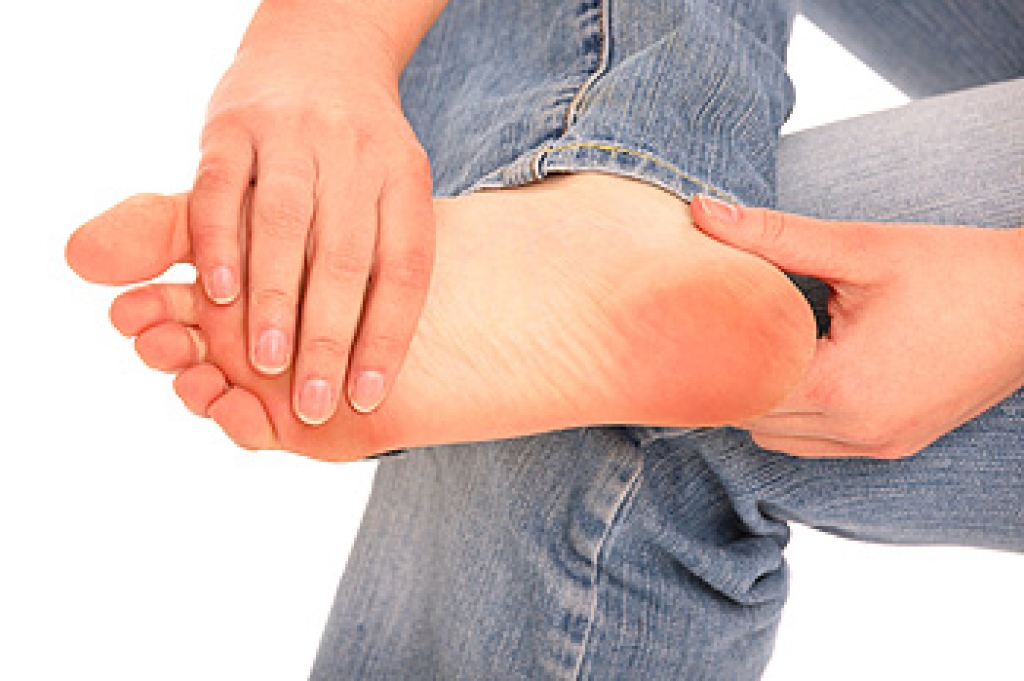
Sesamoiditis is a painful condition that affects the sesamoid bones and is typically caused by frequent pressure. This condition typically causes irritation and painful inflammation of the surrounding tissues. There are various factors that influence the development of sesamoiditis. These include having a higher or flattened arch, frequently wearing high heels, increased body weight, frequently participating in high impact sports, running with focus on the forefoot, and arthritis. While typically there isn’t any bruising or discoloration associated with this condition, the sesamoid bones are very sensitive, so a key indicator would be inflammation or swelling, and can be diagnosed by the use of X-rays. For more information about sesamoiditis, we recommend you consult with a podiatrist for a proper diagnosis and advised treatment plan.

Sesamoiditis is an unpleasant foot condition characterized by pain in the balls of the feet. If you think you’re struggling with sesamoiditis, contact Dr. Arnold Tarpley, Jr. of Tarpley Foot and Ankle Center. Dr. Tarpley will treat your condition thoroughly and effectively.

Sesamoiditis

Sesamoiditis is a condition of the foot that affects the ball of the foot. It is more common in younger people than it is in older people. It can also occur with people who have begun a new exercise program, since their bodies are adjusting to the new physical regimen. Pain may also be caused by the inflammation of tendons surrounding the bones. It is important to seek treatment in its early stages because if you ignore the pain, this condition can lead to more serious problems such as severe irritation and bone fractures.

Causes of Sesamoiditis

  • Sudden increase in activity
  • Increase in physically strenuous movement without a proper warm up or build up
  • Foot structure: those who have smaller, bonier feet or those with a high arch may be more susceptible

Treatment for sesamoiditis is non-invasive and simple. Doctors may recommend a strict rest period where the patient forgoes most physical activity. This will help give the patient time to heal their feet through limited activity. For serious cases, it is best to speak with your doctor to determine a treatment option that will help your specific needs.

If you have any questions, please feel free to contact one of our offices located in Uniontown, and Connellsville, PA . We offer the newest diagnostic and treatment technologies for all your foot care needs.
Read more about Sesamoiditis

Are Bunions Affecting Your Everyday Life?

Have you noticed a bony protrusion on the side of your big toe? If so, you may have developed the foot condition known as a bunion. Don't let bunions interfere with your daily activities.

Signs You May have a Fungal Nail Infection

Fungal nail infections normally form slowly and often are very uncomfortable. There are many signs that can indicate if you have picked up a fungal nail infection. Discoloration of the nail is one giveaway you may have developed this condition. The nail will usually turn yellow, green, black, or white if it has been infected. The nail may also thicken, as well as turn into an abnormal shape, making it hard to trim and care for. Brittleness is another sign of a fungal infection. In certain cases, an infected nail may crumble, or fall off if not treated properly. It is likely to pick up a fungal infection by walking barefoot in environments that are warm and damp. These areas may include locker rooms or communal showers. Not properly washing and drying your feet on a daily basis, as well as not changing your socks and shoes can also be a factor in developing this condition. If you believe you have a fungal nail infection and would like more information on how to treat it, we recommend you consult with a podiatrist for professional care and a proper diagnosis.

If left untreated, toenail fungus may spread to other toenails, skin, or even fingernails. If you suspect you have toenail fungus it is important to seek treatment right away. For more information about treatment, contact Dr. Arnold Tarpley, Jr. of Tarpley Foot and Ankle Center. Dr. Tarpley can provide the care you need to keep you pain-free and on your feet.

Symptoms

  • Warped or oddly shaped nails
  • Yellowish nails
  • Loose/separated nail
  • Buildup of bits and pieces of nail fragments under the nail
  • Brittle, broken, thickened nail

Treatment

If self-care strategies and over-the-counter medications does not help your fungus, your podiatrist may give you a prescription drug instead. Even if you find relief from your toenail fungus symptoms, you may experience a repeat infection in the future.

Prevention

In order to prevent getting toenail fungus in the future, you should always make sure to wash your feet with soap and water. After washing, it is important to dry your feet thoroughly especially in between the toes. When trimming your toenails, be sure to trim straight across instead of in a rounded shape. It is crucial not to cover up discolored nails with nail polish because that will prevent your nail from being able to “breathe”.

In some cases, surgical procedure may be needed to remove the toenail fungus. Consult with your podiatrist about the best treatment options for your case of toenail fungus.  

If you have any questions please contact one of our offices located in Uniontown, and Connellsville, PA . We offer the newest diagnostic and treatment technologies for all your foot and ankle needs.

Read more about Toenail Fungus

Common Types of Foot Pain

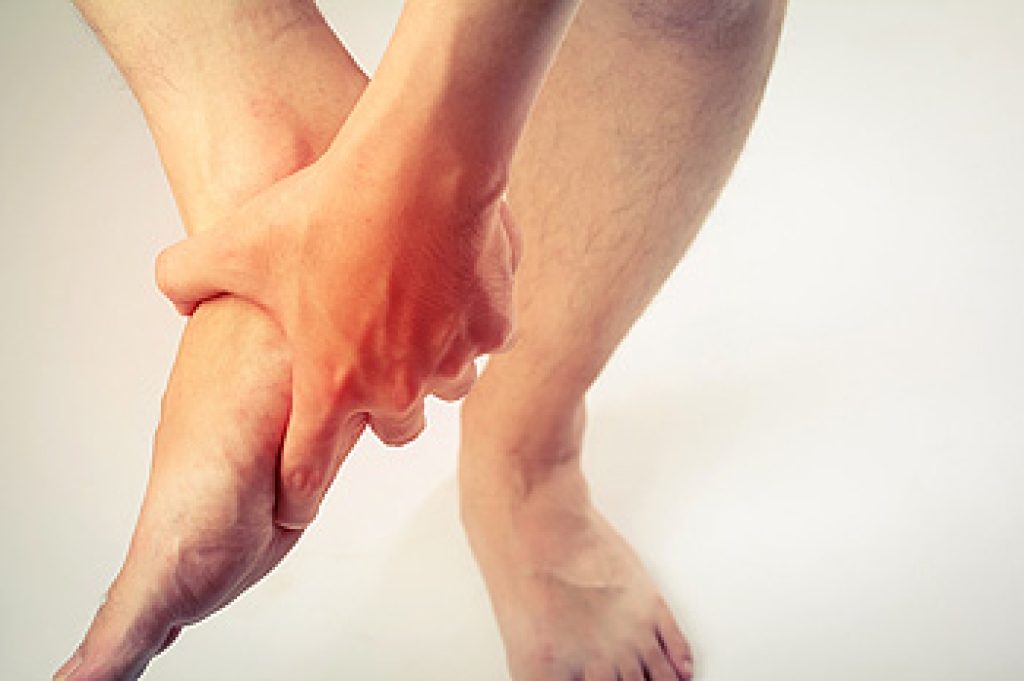
The feet are considered to be the foundation of the body, and may feel aches and pains from performing daily activities. Many types of foot pain can be caused by poor foot structure, or from wearing shoes that do not fit correctly. A common form of pain can be found in the heel, which may be indicative of plantar fasciitis or a heel spur. The condition that is referred to as flat feet may cause pain in the middle of the foot, where the arch would generally be found. Patients have found moderate relief when custom-made insoles are worn, which may provide the support that is needed. Bunions may cause pain as a result of inflammation, and can become irritated as the affected part of the foot rubs against the shoe. If you experience any discomfort in your feet, it is strongly advised that you schedule a consultation with a podiatrist as quickly as possible who can determine the cause and offer treatment options.

Foot Pain

Foot pain can be extremely painful and debilitating. If you have a foot pain, consult with Dr. Arnold Tarpley, Jr. from Tarpley Foot and Ankle Center. Dr. Tarpley will assess your condition and provide you with quality foot and ankle treatment.

Causes

Foot pain is a very broad condition that could be caused by one or more ailments. The most common include:

  • Bunions
  • Hammertoes
  • Plantar Fasciitis
  • Bone Spurs
  • Corns
  • Tarsal Tunnel Syndrome
  • Ingrown Toenails
  • Arthritis (such as Gout, Rheumatoid, and Osteoarthritis)
  • Flat Feet
  • Injury (from stress fractures, broken toe, foot, ankle, Achilles tendon ruptures, and sprains)
  • And more

Diagnosis

To figure out the cause of foot pain, podiatrists utilize several different methods. This can range from simple visual inspections and sensation tests to X-rays and MRI scans. Prior medical history, family medical history, and any recent physical traumatic events will all be taken into consideration for a proper diagnosis.

Treatment

Treatment depends upon the cause of the foot pain. Whether it is resting, staying off the foot, or having surgery; podiatrists have a number of treatment options available for foot pain.

If you have any questions, please feel free to contact one of our offices located in Uniontown, and Connellsville, PA . We offer the newest diagnostic and treatment technologies for all your foot care needs.

Read more about Foot Pain

Can an Ingrown Toenail Become Infected?

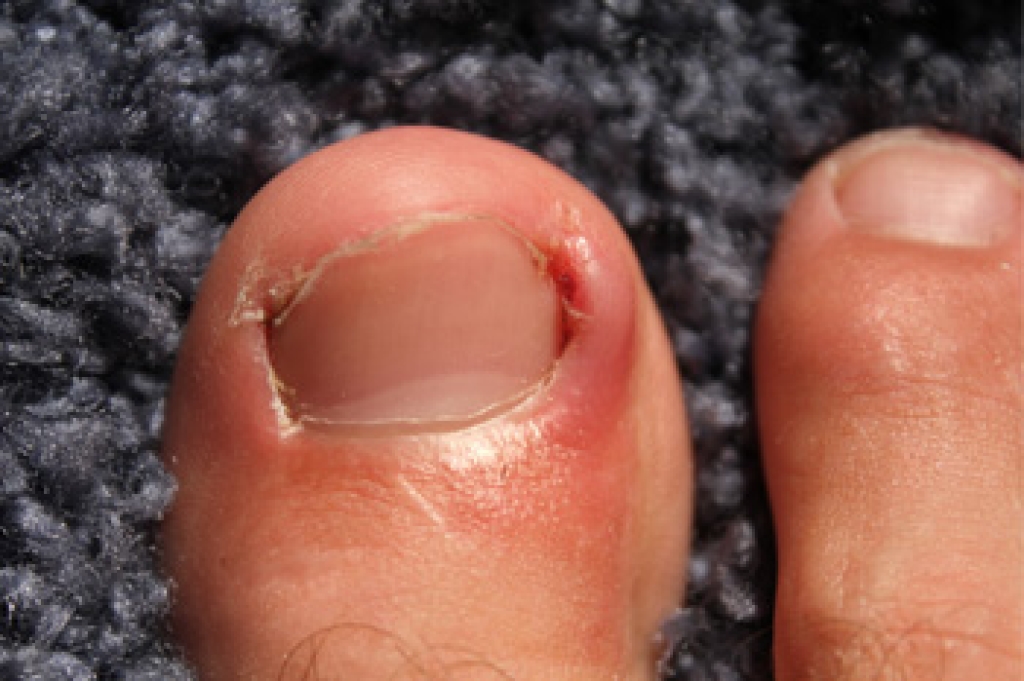
A condition that is referred to as an ingrown toenail typically affects the big toe. It happens as a result of the sides of the toenail growing into the skin surrounding it, and can cause severe pain and discomfort. The symptoms that often accompany ingrown toenails can consist of redness, swelling, or a possible discharge at the edge of the nail. There are a variety of reasons why this condition may develop. These can include trimming the toenails improperly, wearing shoes that are too tight, or having a toe injury. Moderate relief may be found when the feet are washed and dried thoroughly, followed by using a small piece of cotton to gently push the affected nail away from the skin. Additionally, it generally helps to wear shoes that are larger in the toe area, as this may help to accelerate the healing process. If you have an ingrown toenail that has become infected, it is advised that you schedule an appointment with a podiatrist who can properly diagnosis and treat this condition, which may include surgery for removal of the nail.

Ingrown toenails may initially present themselves as a minor discomfort, but they may progress into an infection in the skin without proper treatment. For more information about ingrown toenails, contact Dr. Arnold Tarpley, Jr. of Tarpley Foot and Ankle Center. Dr. Tarpley can provide the care you need to keep you pain-free and on your feet.

Ingrown Toenails

Ingrown toenails are caused when the corner or side of a toenail grows into the soft flesh surrounding it. They often result in redness, swelling, pain, and in some cases, infection. This condition typically affects the big toe and may recur if it is not treated properly.

Causes

  • Improper toenail trimming
  • Genetics
  • Improper shoe fitting
  • Injury from pedicures or nail picking
  • Abnormal gait
  • Poor hygiene

You are more likely to develop an ingrown toenail if you are obese, have diabetes, arthritis, or have any fungal infection in your nails. Additionally, people who have foot or toe deformities are at a higher risk of developing an ingrown toenail.

Symptoms

Some symptoms of ingrown toenails are redness, swelling, and pain. In rare cases, there may be a yellowish drainage coming from the nail.

Treatment

Ignoring an ingrown toenail can have serious complications. Infections of the nail border can progress to a deeper soft-tissue infection, which can then turn into a bone infection. You should always speak with your podiatrist if you suspect you have an ingrown toenail, especially if you have diabetes or poor circulation.

If you have any questions, please feel free to contact one of our offices located in Uniontown, and Connellsville, PA . We offer the newest diagnostic and treatment technologies for all your foot care needs.

Read more about Ingrown Toenail Care
Connect with us