Uniontown 
Connellsville 
(724) 320-2447

Blog

Biomechanical abnormalities of the foot

Foot conditions such as flat feet and loose joints are also seen as biomechanical abnormalities of the foot. These abnormalities can also be seen as risk factors for certain foot conditions such as hallux valgus. For long term treatment of these conditions, correction of these abnormalities is required. Several options include wearing appropriate footwear, foot orthotics, toe spacers and bunion cushions. Maintaining proper mobility of the lower-limb joints will make way for stable lower-limb biomechanics as well.

If you have any concerns about your feet, contact Dr. Arnold Tarpley, Jr. from Tarpley Foot and Ankle Center. Dr. Tarpley can provide the care you need to keep you pain-free and on your feet.

Biomechanics in Podiatry

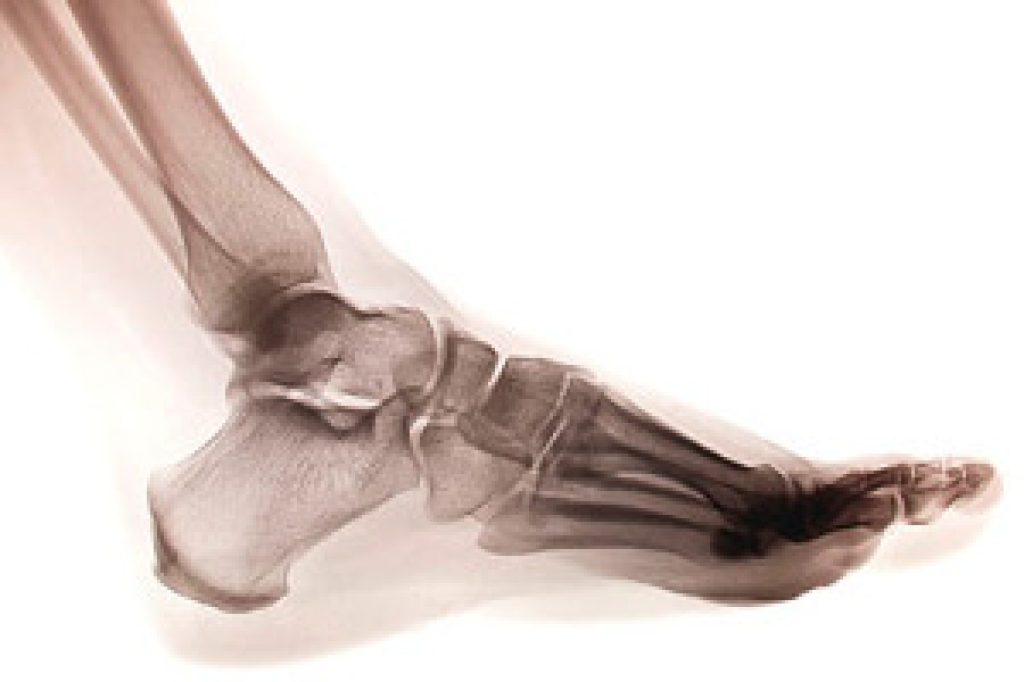
Podiatric biomechanics is a particular sector of specialty podiatry with licensed practitioners who are trained to diagnose and treat conditions affecting the foot, ankle and lower leg. Biomechanics deals with the forces that act against the body, causing an interference with the biological structures. It focuses on the movement of the ankle, the foot and the forces that interact with them.

A History of Biomechanics

  • Biomechanics dates back to the BC era in Egypt where evidence of professional foot care has been recorded.
  • In 1974, biomechanics gained a higher profile from the studies of Merton Root, who claimed that by changing or controlling the forces between the ankle and the foot, corrections or conditions could be implemented to gain strength and coordination in the area.

Modern technological improvements are based on past theories and therapeutic processes that provide a better understanding of podiatric concepts for biomechanics. Computers can provide accurate information about the forces and patterns of the feet and lower legs.

Understanding biomechanics of the feet can help improve and eliminate pain, stopping further stress to the foot.

If you have any questions please feel free to contact one of our offices located in Uniontown, and Connellsville, PA . We offer the newest diagnostic and treatment technologies for all your foot and ankle needs.

Read more about The Importance of Biomechanics in Podiatry

Boston Breakers Goalkeeper Sprains Ankle

Libby Stout, goalkeeper of the Boston Breakers, will reportedly be out for the next four to six weeks due to an ankle sprain. Stout’s injury means that she’ll be out for the remaining preseason. She may even miss the beginning of the season, with the first match on April 16th against FC Kansas City. The Boston Breakers will play their first game of the preseason on March 25th against Boston College in a closed-door scrimmage. Fans of the team will be able to get their first look on April 1st during their game with UConn.

Ankle sprains are common but need immediate attention. If you need your feet checked, contact Dr. Arnold Tarpley, Jr. from Tarpley Foot and Ankle Center. Dr. Tarpley can provide the care you need to keep you pain-free and on your feet.

How Does an Ankle Sprain Occur?

Ankle sprains take place when the ligaments in your ankle are torn or stretched beyond their limits. There are multiple ways that the ankle can become injured, including twisting or rolling over onto your ankle, putting undue stress on it, or causing trauma to the ankle itself.

What Are the Symptoms?

  • Mild to moderate bruising
  • Limited mobility
  • Swelling
  • Discoloration of the skin (depending on severity)

Preventing a Sprain

  • Wearing appropriate shoes for the occasion
  • Stretching before exercises and sports
  • Knowing your limits

Treatment of a Sprain

Treatment of a sprain depends on the severity.  Many times, people are told to rest and remain off their feet completely, while others are given an air cast. If the sprain is very severe, surgery may be required.

If you have suffered an ankle sprain previously, you may want to consider additional support such as a brace and regular exercises to strengthen the ankle.

If you have any questions please feel free to contact one of our offices located in Uniontown, and Connellsville, PA . We offer the newest diagnostic tools and technology to treat your foot and ankle needs.

Read more about Ankle Sprains

Stretching Important in Strengthening Feet and Ankles

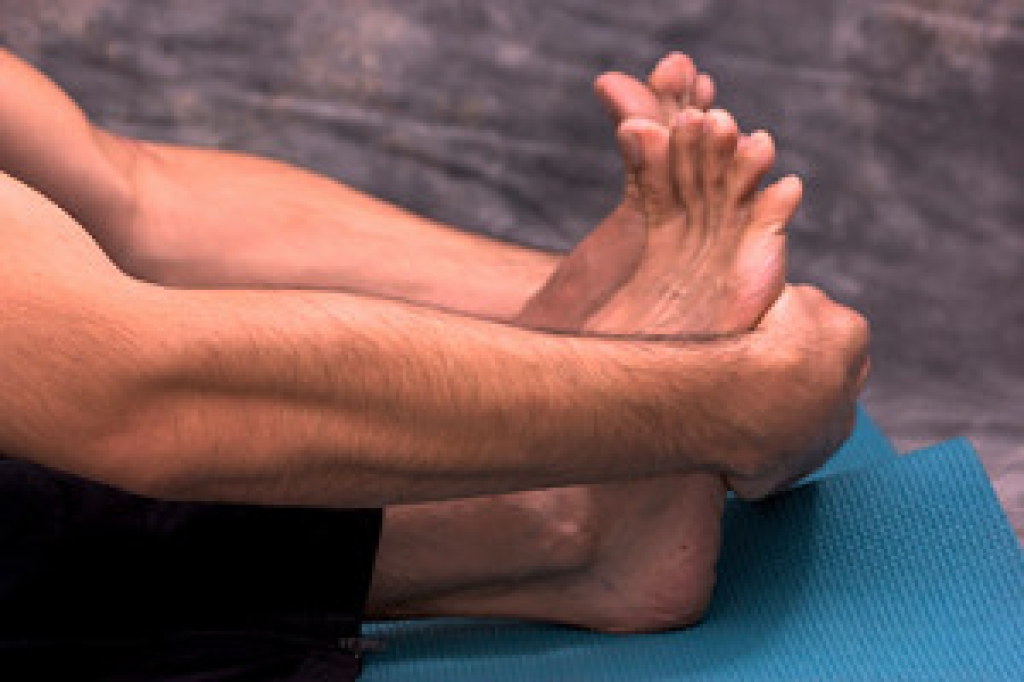
Stretching is an important component in managing foot health and is an activity that is key in strengthening the feet and ankles. Strengthening the feet and ankles can help prevent future injuries, and strengthening any part of the body is great for general well being. Some recommended stretching exercises include toes-in heel drops, knee to wall achilles stretches, and single leg hip bridges. Stretching the feet is especially important when starting a new sport, activity, or exercise regimen. Attempting a new activity requires the body to adjust accordingly, and starting an activity too quickly and without proper stretching can potentially lead to an injury.

Stretching the feet is a great way to prevent injuries. If you have any concerns with your feet consult with Dr. Arnold Tarpley, Jr. from Tarpley Foot and Ankle Center. Dr. Tarpley will assess your condition and provide you with quality foot and ankle treatment.

Stretching the Feet

Being the backbone of the body, the feet carry your entire weight and can easily become overexerted, causing cramps and pain. As with any body part, stretching your feet can serve many benefits. From increasing flexibility to even providing some pain relief, be sure to give your feet a stretch from time to time. This is especially important for athletes or anyone performing aerobic exercises, but anyone experiencing foot pain or is on their feet constantly should also engage in this practice.

Great ways to stretch your feet:

  • Crossing one leg over the others and carefully pull your toes back. Do 10-20 repetitions and repeat the process for each foot
  • Face a wall with your arms out and hands flat against the wall. Step back with one foot and keep it flat on the floor while moving the other leg forward. Lean towards the wall until you feel a stretch. Hold for 30 seconds and perform 10 repetitions for each foot
  • Be sure not to overextend or push your limbs too hard or you could risk pulling or straining your muscle

Individuals who tend to their feet by regular stretching every day should be able to minimize foot pain and prevent new problems from arising.

If you have any questions please contact one of our offices located in Uniontown, and Connellsville, PA . We offer the newest diagnostic and treatment technologies for all your foot and ankle needs.

Read more about Stretching Your Feet

High Heels a Constant Pain

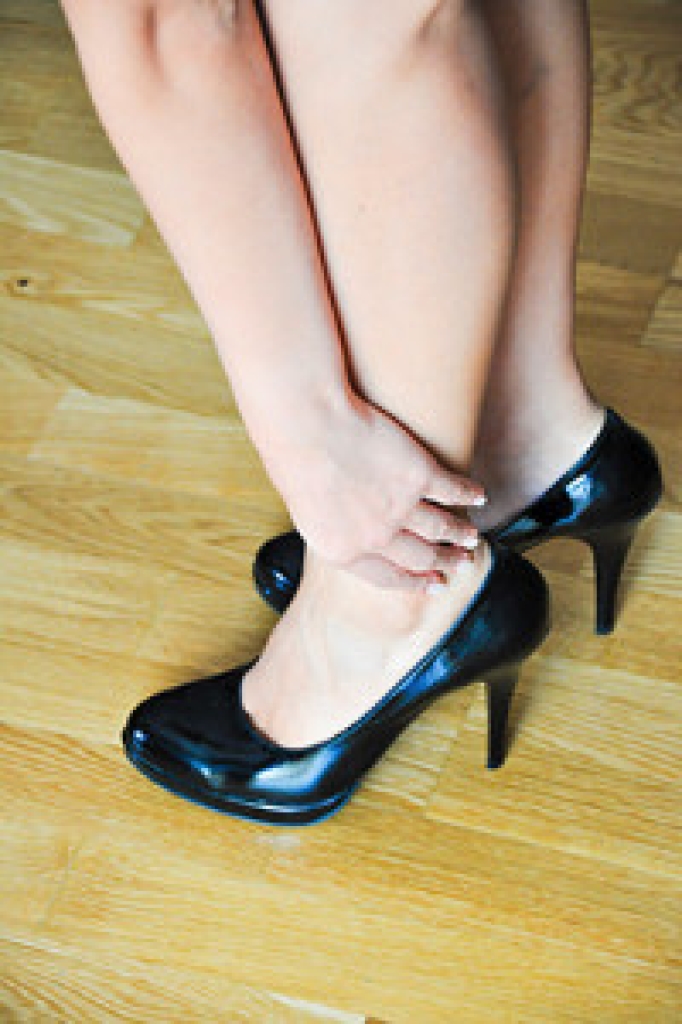
High heels are a constant source of foot problems for women of all ages. Though many feel they need to make sacrifices to look fashionable, the high heel can do real damage. Wearing of heels over time can cause pain in joints and tendons, and can even mishape your foot. Bunions and calluses can form as well. Women overwhelming suffer more from bunions than men due to wearing of high heels. Interestingly, the only global populations where the incidence of bunions is relatively equal between the sexes is in countries where people are mainly barefoot. For people who work on their feet a lot, it would be best to consider limiting the time spent in high heels.

High heels have a history of causing foot and ankle problems. If you have any concerns about your feet or ankles, contact Dr. Arnold Tarpley, Jr. from Tarpley Foot and Ankle Center. Dr. Tarpley can provide the care you need to keep you pain-free and on your feet.

Effects of High Heels on the Feet

High heels are popular shoes among women because of their many styles and societal appeal.  Despite this, high heels can still cause many health problems if worn too frequently.

Which Parts of My Body Will Be Affected by High Heels?

  • Ankle Joints
  • Achilles Tendon – May shorten and stiffen with prolonged wear
  • Balls of the Feet
  • Knees – Heels cause the knees to bend constantly, creating stress on them
  • Back – They decrease the spine’s ability to absorb shock, which may lead to back pain.  The vertebrae of the lower back may compress.

What Kinds of Foot Problems Can Develop from Wearing High Heels?

  • Corns
  • Calluses
  • Hammertoe
  • Bunions
  • Morton’s Neuroma
  • Plantar Fasciitis

How Can I Still Wear High Heels and Maintain Foot Health?

If you want to wear high heeled shoes, make sure that you are not wearing them every day, as this will help prevent long term physical problems.  Try wearing thicker heels as opposed to stilettos to distribute weight more evenly across the feet.  Always make sure you are wearing the proper shoes for the right occasion, such as sneakers for exercising.  If you walk to work, try carrying your heels with you and changing into them once you arrive at work.  Adding inserts to your heels can help cushion your feet and absorb shock. Full foot inserts or metatarsal pads are available. 

If you have any questions, please feel free to contact one of our offices located in Uniontown, and Connellsville, PA . We offer the newest diagnostic and treatment technologies for all your foot care needs.

Read more about Effect of High Heels on the Feet

What Are Plantar Warts?

There are over 100 different varieties of HPV, or human papilloma virus.  Nearly 12% of the global population have had warts at one time, and plantar warts are but one of these types.  They all share one basic characteristic, they have the ability to infect skin cells.  Many people, when they hear the term HPV, think that it refers to genital warts.  But this is not the case, and HPV can manifest itself in many different forms.  Plantar warts occur on the feet, typically on the palms or the soles.  They can be flat or raised, and usually occur in dry, cracked areas of the foot.  Treatments vary in scope and effectiveness.  If you think you may have a plantar wart, talk to your podiatrist and go through the treatment options available.

Plantar warts can be very uncomfortable. If you need your feet checked, contact Dr. Arnold Tarpley, Jr. from Tarpley Foot and Ankle Center. Dr. Tarpley will assist you with all of your foot and ankle needs.

About Plantar Warts

Plantar warts are the result of HPV, or human papillomavirus, getting into open wounds on the feet. They are mostly found on the heels or balls of the feet.

While plantar warts are generally harmless, those experiencing excessive pain or those suffering from diabetes or a compromised immune system require immediate medical care. Plantar warts are easily diagnosed, usually through scraping off a bit of rough skin or by getting a biopsy.

Symptoms

  • Lesions on the bottom of your feet, usually rough and grainy
  • Hard or thick callused spots
  • Wart seeds, which are small clotted blood vessels that look like little black spots
  • Pain, discomfort, or tenderness of your feet when walking or standing

Treatment

  • Freezing
  • Electric tool removal
  • Laser Treatment
  • Topical Creams (prescription only)
  • Over-the-counter medications

To help prevent developing plantar warts, avoid walking barefoot over abrasive surfaces that can cause cuts or wounds for HPV to get into. Avoiding direct contact with other warts, as well as not picking or rubbing existing warts, can help prevent the further spread of plantar warts. However, if you think you have developed plantar warts, speak to your podiatrist. He or she can diagnose the warts on your feet and recommend the appropriate treatment options.

If you have any questions, please feel free to contact one of our offices located in Uniontown, and Connellsville, PA . We offer the newest diagnostic and treatment technologies for all your foot care needs.

Read more about All About Plantar Warts
Connect with us