
Uniontown 
Connellsville 
(724) 320-2447

Blog

Understanding Foot Pain and How the Feet Move

Foot pain can affect the way a person stands, walks, and completes daily activities. Pain can occur in different areas, including the toes, forefoot, and back part of the foot. Foot structure and the way the foot moves can also play a role in discomfort. A low-arched foot, sometimes called a flat foot, has a lower inner arch when bearing weight. Another pattern involves the foot rolling inward more than expected while walking. Research involving more than 3,000 people found associations between certain foot structures and foot pain. The findings showed that low-arched foot posture was associated with arch pain in men, while inward-rolling foot function was associated with general foot pain and heel pain in men. These findings show that foot shape and movement can be important factors when evaluating foot discomfort.

A podiatrist can evaluate foot structure, movement, and areas of pain to help determine factors that contribute to symptoms. The examination can consider how the feet function while standing and walking. It can also assess whether changes in foot movement place added stress on certain areas. Podiatric care can include gait evaluation, assessment of foot alignment, and treatment designed to support normal foot function. Care can be tailored to the location and cause of the pain. Wearing footwear that provides proper support can also be considered when foot structure or movement contributes to discomfort. In some cases, supportive devices may be used to help modify foot function. The goal is to reduce stress on painful areas and support comfortable movement during daily activities.

Foot pain can have many contributing factors, so the shape of the foot alone does not explain every case. Age, weight, and other foot conditions can also influence symptoms. Pain that continues or affects normal movement deserves evaluation. A podiatrist can identify changes in foot structure and function and develop care based on the specific symptoms. Understanding how the foot moves can also help guide treatment and support better function. Research suggests that modifying abnormal foot posture or movement can have a role in managing foot pain. If you have foot pain, it is suggested that you schedule an appointment with a podiatrist for a diagnosis and appropriate treatment.

Foot Pain

Foot pain can be extremely painful and debilitating. If you have a foot pain, consult with Dr. Arnold Tarpley, Jr. from Tarpley Foot and Ankle Center. Dr. Tarpley will assess your condition and provide you with quality foot and ankle treatment.

Causes

Foot pain is a very broad condition that could be caused by one or more ailments. The most common include:

  • Bunions
  • Hammertoes
  • Plantar Fasciitis
  • Bone Spurs
  • Corns
  • Tarsal Tunnel Syndrome
  • Ingrown Toenails
  • Arthritis (such as Gout, Rheumatoid, and Osteoarthritis)
  • Flat Feet
  • Injury (from stress fractures, broken toe, foot, ankle, Achilles tendon ruptures, and sprains)
  • And more

Diagnosis

To figure out the cause of foot pain, podiatrists utilize several different methods. This can range from simple visual inspections and sensation tests to X-rays and MRI scans. Prior medical history, family medical history, and any recent physical traumatic events will all be taken into consideration for a proper diagnosis.

Treatment

Treatment depends upon the cause of the foot pain. Whether it is resting, staying off the foot, or having surgery; podiatrists have a number of treatment options available for foot pain.

If you have any questions, please feel free to contact one of our offices located in Uniontown, and Connellsville, PA . We offer the newest diagnostic and treatment technologies for all your foot care needs.

Read more about Foot Pain

How Rucking Affects the Feet and Ankles

Rucking combines distance walking with the added strain of a weighted backpack. That load changes how the feet absorb force with each step. Pain can develop in the heels, arches, or balls of the feet. Blisters, bruised toenails, and sore ankles can interrupt a ruck. A heavy pack can increase foot pressure and make balance more difficult. Shoes that fit poorly can create rubbing or crowd the toes. Shoes that lack proper support can also stress the arches and joints. Continuing to ruck through foot or ankle pain can turn early irritation into a serious injury.

Some people who ruck develop plantar fasciitis, which is irritation of the strong band along the bottom of the foot. Others experience tendon strain or a stress fracture, which is a small crack caused by repeated force. Warning signs include pain that becomes stronger with activity, swelling, or tenderness in one spot. Numbness, skin color changes, and an inability to bear weight also require prompt attention. A podiatrist can examine the painful area and study how the patient stands and walks. X-rays or other imaging can identify bone or soft-tissue damage. This evaluation matters because blisters, tendon injuries, and stress fractures require different care.

Treatment from a podiatrist depends on the cause and severity of the pain. The podiatrist can protect blisters, reduce pressure on injured areas, and guide a safe return to rucking. Custom orthotics can improve support and distribute the backpack’s load more evenly. The podiatrist can also recommend fitted shoes based on foot shape, terrain, and training demands. For some injuries, a brace or walking boot can protect the foot while it heals. Regular foot checks can detect skin damage and nail problems before they interfere with training. Gradual increases in distance and pack weight can lower strain once the podiatrist approves activity. If you have foot or ankle pain after rucking, it is suggested that you schedule an appointment with a podiatrist for a diagnosis and appropriate treatment.

Exercising your feet regularly with the proper foot wear is a great way to prevent injuries and build strength. If you have any concerns about your feet, contact Dr. Arnold Tarpley, Jr. from Tarpley Foot and Ankle Center. Dr. Tarpley can provide the care you need to keep you pain-free and on your feet.

Exercise for Your Feet

Exercise for your feet can help you gain strength, mobility and flexibility in your feet. They say that strengthening your feet can be just as rewarding as strengthening another part of the body. Your feet are very important, and we often forget about them in our daily tasks. But it is because of our feet that are we able to get going and do what we need to. For those of us fortunate enough to not have any foot problems, it is an important gesture to take care of them to ensure good health in the long run.

Some foot health exercises can include ankle pumps, tip-toeing, toe rises, lifting off the floor doing reps and sets, and flexing the toes. It is best to speak with Dr. Tarpley to determine an appropriate regimen for your needs. Everyone’s needs and bodies are different, and the activities required to maintain strength in the feet vary from individual to individual. 

Once you get into a routine of doing regular exercise, you may notice a difference in your feet and how strong they may become.

If you have any questions, please feel free to contact one of our offices located in Uniontown, and Connellsville, PA . We offer the newest diagnostic and treatment technologies for all your foot care needs.

Read more about Exercise for Your Feet

Podiatrists Help Relieve the Pressure of Tarsal Tunnel Syndrome

Tarsal tunnel syndrome develops when a nerve becomes compressed near the inside of the ankle. This nerve travels through a narrow passage called the tarsal tunnel. It then divides into branches that serve the bottom of the foot. Pressure in this area can cause pain behind the inner ankle or along the heel, arch, and sole. Symptoms also include burning, tingling, or numbness that reaches the toes. The discomfort usually worsens while standing or walking, but it can also disrupt sleep or other daily activities.

Several problems can place pressure on the nerve. Causes include a cyst, swelling, or scar tissue within the tunnel. An ankle injury or a foot deformity can narrow the space around the nerve. Flat feet can increase strain by changing the position of the ankle and foot. Arthritis, poor vein function, and swollen ankle tendons are other possible factors. A podiatrist begins the evaluation by asking about symptoms and examining the foot. Gentle pressure or tapping below the inner ankle may produce tingling, which can help locate the irritated nerve.

A podiatrist can also assess foot structure, joint motion, and areas of swelling. Nerve tests can measure how well electrical signals travel through the affected area. Imaging can reveal a cyst or another growth that is pressing on the nerve. Treatment focuses on reducing pressure and supporting better foot alignment. A podiatrist can provide custom orthotics, apply supportive strapping, or recommend an appropriate brace. In certain cases, an injection can reduce inflammation around the nerve. When a growth causes compression or other care does not bring enough relief, surgery can create more room for the nerve. Early evaluation can help prevent continued nerve irritation and guide treatment toward the underlying cause. If you have symptoms of tarsal tunnel syndrome, it is suggested that you schedule an appointment with a podiatrist for a diagnosis and appropriate treatment.

Ankle pain can have many different causes and the pain may potentially be serious. If you have ankle pain, consult with Dr. Arnold Tarpley, Jr. from Tarpley Foot and Ankle Center. Dr. Tarpley will assess your condition and provide you with quality foot and ankle treatment.

Ankle pain is any condition that causes pain in the ankle. Due to the fact that the ankle consists of tendons, muscles, bones, and ligaments, ankle pain can come from a number of different conditions.

Causes

The most common causes of ankle pain include:

  • Types of arthritis (rheumatoid, osteoarthritis, and gout)
  • Ankle sprains
  • Broken ankles
  • Achilles tendinitis
  • Achilles tendon rupture
  • Stress fractures
  • Tarsal tunnel syndrome
  • Plantar fasciitis

Symptoms

Symptoms of ankle injury vary based upon the condition. Pain may include general pain and discomfort, swelling, aching, redness, bruising, burning or stabbing sensations, and/or loss of sensation.

Diagnosis

Due to the wide variety of potential causes of ankle pain, podiatrists will utilize a number of different methods to properly diagnose ankle pain. This can include asking for personal and family medical histories and of any recent injuries. Further diagnosis may include sensation tests, a physical examination, and potentially x-rays or other imaging tests.

Treatment

Just as the range of causes varies widely, so do treatments. Some more common treatments are rest, ice packs, keeping pressure off the foot, orthotics and braces, medication for inflammation and pain, and surgery.

If you have any questions please feel free to contact one of our offices located in Uniontown, and Connellsville, PA . We offer the newest diagnostic tools and technology to treat your foot and ankle needs.

Read more about Ankle Pain

Plantar Warts Can Be Treated!

Plantar warts are small growths that develop on parts of the feet that bear weight. They're typically found on the bottom of the foot. Don't live with plantar warts, and call us today!

Gout and Podiatric Care

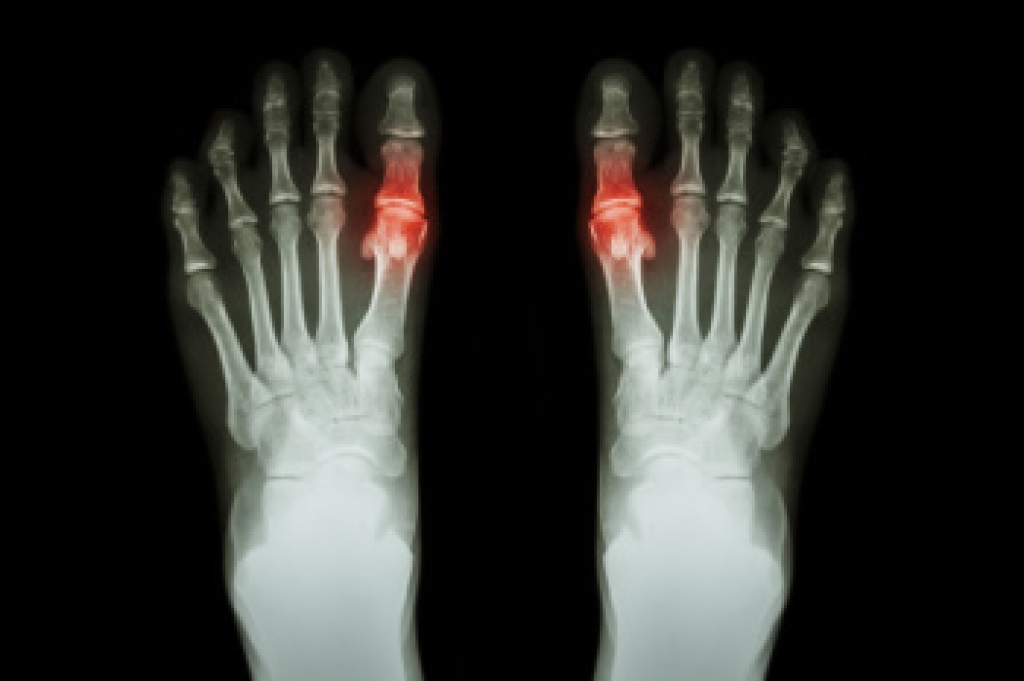
Gout is the most common type of inflammatory arthritis and often affects the foot, especially the big toe joint. It occurs when high levels of uric acid build up in the blood and form sharp crystals in the joints. These crystals trigger inflammation, leading to sudden and severe pain. The condition may develop quickly, and can return in repeated episodes if not managed properly. Understanding the definition and causes of gout is important for early recognition and treatment.

Symptoms of gout typically include intense pain in the big toe, swelling, and warmth around the joint. The pain often begins suddenly, sometimes during the night, and can be severe enough to limit movement. Some individuals may also experience stiffness or lingering discomfort after the initial attack. These symptoms can affect daily activities and may worsen, if left untreated. Early identification of these signs can help reduce the severity of flare-ups.


Risk factors for gout include high levels of uric acid in the body, which may result from diet, genetics, or certain medical conditions. Foods rich in purines, such as red meat and seafood, can increase uric acid production. Other risk factors include obesity, dehydration, and certain medications. Limited kidney function can also reduce the body ability to remove uric acid effectively. These factors contribute to crystal formation and joint inflammation over time.


Managing gout involves reducing uric acid levels and preventing future flare ups. Lifestyle changes such as maintaining a balanced diet, staying hydrated, and managing weight can help lower risk. Treatment may include medications to reduce inflammation and control uric acid levels. Monitoring symptoms and seeking professional care can improve long-term outcomes. If you have gout, it is strongly suggested that you are under the care of a podiatrist who can help you to manage this serious condition. 

Gout is a painful condition that can be treated. If you are seeking treatment, contact Dr. Arnold Tarpley, Jr. from Tarpley Foot and Ankle Center. Dr. Tarpley will treat your foot and ankle needs.

What Is Gout?

Gout is a form of arthritis that is characterized by sudden, severe attacks of pain, redness, and tenderness in the joints. The condition usually affects the joint at the base of the big toe. A gout attack can occur at any random time, such as the middle of the night while you are asleep.

Symptoms

  • Intense Joint Pain - Usually around the large joint of your big toe, and it most severe within the first four to twelve hours
  • Lingering Discomfort - Joint discomfort may last from a few days to a few weeks
  • Inflammation and Redness -Affected joints may become swollen, tender, warm and red
  • Limited Range of Motion - May experience a decrease in joint mobility

Risk Factors

  • Genetics - If family members have gout, you’re more likely to have it
  • Medications - Diuretic medications can raise uric acid levels
  • Gender/Age - Gout is more common in men until the age of 60. It is believed that estrogen protects women until that point
  • Diet - Eating red meat and shellfish increases your risk
  • Alcohol - Having more than two alcoholic drinks per day increases your risk
  • Obesity - Obese people are at a higher risk for gout

Prior to visiting your podiatrist to receive treatment for gout, there are a few things you should do beforehand. If you have gout you should write down your symptoms--including when they started and how often you experience them, important medical information you may have, and any questions you may have. Writing down these three things will help your podiatrist in assessing your specific situation so that he or she may provide the best route of treatment for you.

If you have any questions, please feel free to contact one of our offices located in Uniontown, and Connellsville, PA . We offer the newest diagnostic and treatment technologies for all your foot care needs.
Read more about Gout
Connect with us