Uniontown 
Connellsville 
(724) 320-2447

Blog

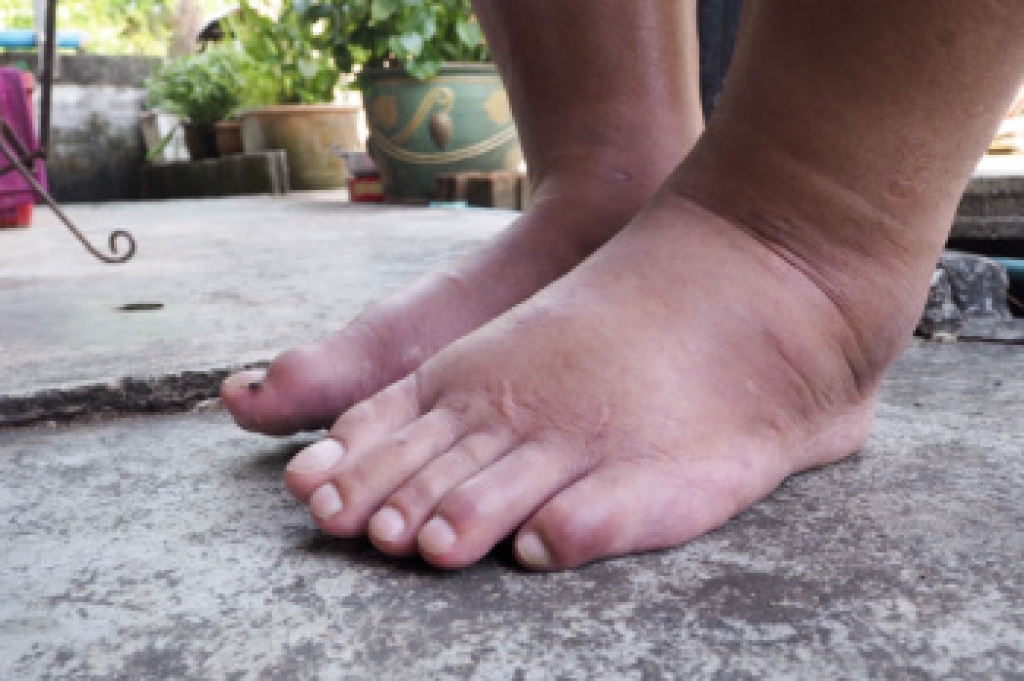
Simple to Serious Causes of Swollen Feet

Having swollen feet, also known as foot edema, is a common issue that can occur for a variety of reasons. Simple causes include standing or sitting for long periods of time, especially in hot weather, which can lead to fluid retention. Minor injuries, such as sprains or strains, can also cause temporary swelling. However, persistent or severe swelling could signal more serious health conditions. Heart failure, kidney disease, and liver disorders can all cause fluid buildup in the lower extremities. Venous insufficiency, where the veins struggle to return blood to the heart, is another possible cause. Blood clots in the legs or infections can also trigger swelling. Treatment depends on the underlying cause. For mild cases, elevating the feet and reducing salt intake may help. If you have swollen feet from an unknown cause and especially if accompanied by pain, shortness of breath, or other symptoms, it is suggested that you contact a podiatrist promptly for an evaluation and care.

Swollen feet can be a sign of an underlying condition. If you have any concerns, contact Dr. Arnold Tarpley, Jr. of Tarpley Foot and Ankle Center. Dr. Tarpley can provide the care you need to keep you pain-free and on your feet.

Swollen feet are a common ailment among pregnant women and people who stand or sit for extended periods. Aging may increase the possibility of swollen feet and patients who are obese often notice when their feet are swelling too. There may be medical reasons why swollen feet occur:

  • Phlebitis - A condition that causes the veins to become inflamed and can also cause leg pain.
  • Liver disease - This may lead to low blood levels of albumin which is a protein. This can cause fluid in the blood to pass into the tissues and several areas of the body can become swollen.
  • Heart failure - When the heart doesn’t pump properly the blood that is normally pumped back to the heart can pool in the veins of the legs causing swollen feet.
  • Kidney disease - One of the main functions of the kidneys is releasing excess fluid in the body. This type of condition can make it difficult for the kidneys to function properly, and as a result the feet may become swollen.
  • Deep-vein thrombosis (DVT)- This is a serious condition where blood clots form in the veins of the legs. They can block the return of blood from the legs to the heart which may cause the feet to swell. It is important to be treated by a podiatrist if this condition is present.

Swollen feet can also be caused by bone and tendon conditions, including fractures, arthritis, and tendinitis. Additionally, there may be skin and toenail conditions and an infection may cause the feet to swell. Patients who take medicine to treat high blood pressure may be prone to getting swollen feet. 

Many patients elevate their feet to help relieve the swelling and this is generally a temporary remedy. When a podiatrist is consulted the reason behind the swelling can be uncovered and subsequently treated.

If you have any questions please contact one of our offices located in Uniontown, and Connellsville, PA . We offer the newest diagnostic and treatment technologies for all your foot and ankle needs.


Read more about Swelling of the Feet

Treatment of Tarsal Tunnel Syndrome

Tarsal tunnel syndrome is a condition caused by compression of the posterior tibial nerve as it passes through the tarsal tunnel, a narrow channel inside the ankle. This compression can result in pain, tingling, or numbness in the foot, particularly in the arch, heel, or toes. Some individuals may also experience a burning sensation or shooting pain. Diagnosis is typically made through a physical examination, where a doctor may apply pressure to the affected area to elicit symptoms. Imaging tests, such as MRI scans, ultrasounds, or nerve conduction studies can also be used to assess the extent of the nerve compression. Treatment varies depending on severity. If symptoms persist, steroid injections or surgery to release the compressed nerve may be necessary for long-term relief. If you feel pain, tingling, numbness, or burning on the inside of your ankle, it is strongly suggested that you schedule an appointment with a podiatrist for a proper diagnosis and treatment.

Tarsal tunnel syndrome can be very uncomfortable to live with. If you are experiencing tarsal tunnel syndrome, contact Dr. Arnold Tarpley, Jr. of Tarpley Foot and Ankle Center. Dr. Tarpley can provide the care you need to keep you pain-free and on your feet.

Tarsal Tunnel Syndrome

Tarsal tunnel syndrome, which can also be called tibial nerve dysfunction, is an uncommon condition of misfiring peripheral nerves in the foot. The tibial nerve is the peripheral nerve in the leg responsible for sensation and movement of the foot and calf muscles. In tarsal tunnel syndrome, the tibial nerve is damaged, causing problems with movement and feeling in the foot of the affected leg.

Common Cause of Tarsal Tunnel Syndrome

  • Involves pressure or an injury, direct pressure on the tibial nerve for an extended period of time, sometimes caused by other body structures close by or near the knee.
  • Diseases that damage nerves, including diabetes, may cause tarsal tunnel syndrome.
  • At times, tarsal tunnel syndrome can appear without an obvious cause in some cases.

The Effects of Tarsal Tunnel Syndrome

  • Different sensations, an afflicted person may experience pain, tingling, burning or other unusual sensations in the foot of the affected leg.
  • The foot muscles, toes and ankle become weaker, and curling your toes or flexing your foot can become difficult.
  • If condition worsens, infections and ulcers may develop on the foot that is experiencing the syndrome.

A physical exam of the leg can help identify the presence of tarsal tunnel syndrome. Medical tests, such as a nerve biopsy, are also used to diagnose the condition. Patients may receive physical therapy and prescriptive medication. In extreme cases, some may require surgery.

If you have any questions please contact one of our offices located in Uniontown, and Connellsville, PA . We offer the newest diagnostic and treatment technologies for all your foot and ankle needs.

Read more about Treating Tarsal Tunnel Syndrome

Plantar Fasciitis Relief

Plantar fasciitis is a common foot condition that causes heel pain, often most noticeable with the first steps in the morning. It occurs when the thick band of tissue connecting the heel bone to the toes becomes inflamed due to overuse, strain, or repetitive impact. Common in runners, individuals who stand for long periods, and those with flat feet or high arches, plantar fasciitis can cause sharp, stabbing pain in the heel or arch, especially after rest or prolonged activity. Relief focuses on reducing inflammation and relieving stress on the fascia. This can be achieved by resting and wearing supportive footwear or orthotic inserts. Anti-inflammatory medications and targeted stretching exercises may also be prescribed. In more severe cases, corticosteroid injections or, rarely, surgery may be needed to alleviate symptoms and promote healing. If you have persistent heel and arch pain, it is suggested that you schedule an appointment with a podiatrist for a proper diagnosis and relief options.

Plantar fasciitis can be very painful and inconvenient. If you are experiencing heel pain or symptoms of plantar fasciitis, contact Dr. Arnold Tarpley, Jr.  from Tarpley Foot and Ankle Center. Dr. Tarpley can provide the care you need to keep you pain-free and on your feet.

What Is Plantar Fasciitis?

Plantar fasciitis is the inflammation of the thick band of tissue that runs along the bottom of your foot, known as the plantar fascia, and causes mild to severe heel pain.

What Causes Plantar Fasciitis?

  • Excessive running
  • Non-supportive shoes
  • Overpronation
  • Repeated stretching and tearing of the plantar fascia

How Can It Be Treated?

  • Conservative measures – anti-inflammatories, ice packs, stretching exercises, physical therapy, orthotic devices
  • Shockwave therapy – sound waves are sent to the affected area to facilitate healing and are usually used for chronic cases of plantar fasciitis
  • Surgery – usually only used as a last resort when all else fails. The plantar fascia can be surgically detached from the heel

While very treatable, plantar fasciitis is definitely not something that should be ignored. Especially in severe cases, speaking to your doctor right away is highly recommended to avoid complications and severe heel pain. Your podiatrist can work with you to provide the appropriate treatment options tailored to your condition.

If you have any questions, please feel free to contact one of our offices located in Uniontown, and Connellsville, PA . We offer the newest diagnostic and treatment technologies for all your foot care needs.

Read more about Plantar Fasciitis

Plantar Warts Can Be Treated!

Plantar warts are small growths that develop on parts of the feet that bear weight. They're typically found on the bottom of the foot. Don't live with plantar warts, and call us today!

Facts About Foot Pain

Few things are as frustrating as foot pain. After all, our feet are the unsung heroes that carry us through each day, so it is difficult when they are not performing at their peak. The American Podiatric Medical Association reports that a whopping 77% of US adults have had foot problems. So, you are not alone. Suddenly, something as simple as going for a walk can turn into an uphill battle. Take plantar fasciitis, for example. This pesky condition inflames the tissue along the bottom of your foot, making those first steps in the morning feel like a walk on hot coals. Or consider bunions, those bony bumps that form at the base of your big toe, often turning your favorite shoes into a form of torture. If foot pain is throwing you off, it is suggested you schedule an appointment to see a podiatrist. They will help diagnose your condition and offer appropriate treatment solutions to get you back on your feet.

Foot Pain

Foot pain can be extremely painful and debilitating. If you have a foot pain, consult with Dr. Arnold Tarpley, Jr. from Tarpley Foot and Ankle Center. Dr. Tarpley will assess your condition and provide you with quality foot and ankle treatment.

Causes

Foot pain is a very broad condition that could be caused by one or more ailments. The most common include:

  • Bunions
  • Hammertoes
  • Plantar Fasciitis
  • Bone Spurs
  • Corns
  • Tarsal Tunnel Syndrome
  • Ingrown Toenails
  • Arthritis (such as Gout, Rheumatoid, and Osteoarthritis)
  • Flat Feet
  • Injury (from stress fractures, broken toe, foot, ankle, Achilles tendon ruptures, and sprains)
  • And more

Diagnosis

To figure out the cause of foot pain, podiatrists utilize several different methods. This can range from simple visual inspections and sensation tests to X-rays and MRI scans. Prior medical history, family medical history, and any recent physical traumatic events will all be taken into consideration for a proper diagnosis.

Treatment

Treatment depends upon the cause of the foot pain. Whether it is resting, staying off the foot, or having surgery; podiatrists have a number of treatment options available for foot pain.

If you have any questions, please feel free to contact one of our offices located in Uniontown, and Connellsville, PA . We offer the newest diagnostic and treatment technologies for all your foot care needs.

Read more about Foot Pain
Connect with us