
Uniontown 
Connellsville 
(724) 320-2447

Blog

Sever’s Disease and Young Adults

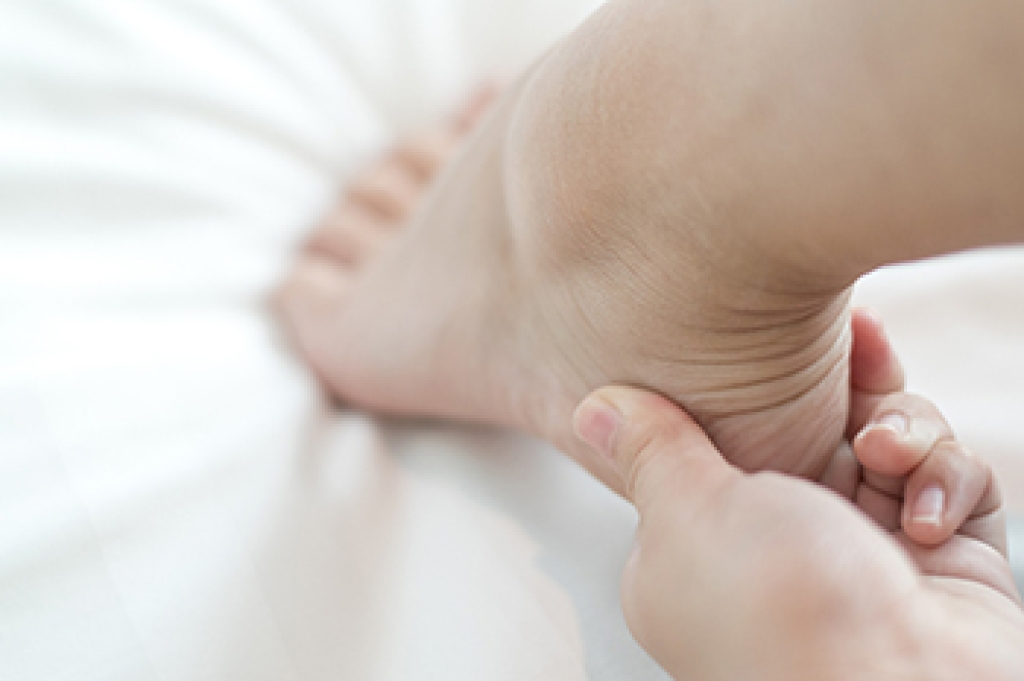
The medical term for a condition that is referred to as Sever’s disease is known as calcaneal apophysitis. It can typically happen to children who are between 9 and 12 years of age. Young adults who actively participate in sporting events may develop Sever’s disease. It is defined as heel pain that occurs in the growth plate, where the Achilles tendon inserts into the heel. It could happen as a result of a sudden growth spurt, or if there is a significant increase in a running or jumping activity. This condition often causes severe pain and discomfort, and it is beneficial to rest the affected foot as often as possible. Many parents encourage their children to temporarily refrain from practicing the activities that caused the injury, until the symptoms diminish. It may help to wear custom made orthotics depending upon the severity of the pain. If you feel your child may have Sever’s disease, it is suggested you schedule an appointment with a podiatrist as quickly as possible so the correct treatment can begin.

Sever's disease often occurs in children and teens. If your child is experiencing foot or ankle pain, see Dr. Arnold Tarpley, Jr. from Tarpley Foot and Ankle Center. Dr. Tarpley can treat your child’s foot and ankle needs.

Sever’s Disease

Sever’s disease is also known as calcaneal apophysitis, which is a medical condition that causes heel pain I none or both feet. The disease is known to affect children between the ages of 8 and 14.

Sever’s disease occurs when part of the child’s heel known as the growth plate (calcaneal epiphysis) is attached to the Achilles tendon. This area can suffer injury when the muscles and tendons of the growing foot do not keep pace with bone growth. Therefore, the constant pain which one experiences at the back of the heel will make the child unable to put any weight on the heel. The child is then forced to walk on their toes.

Symptoms

Acute pain – Pain associated with Sever’s disease is usually felt in the heel when the child engages in physical activity such as walking, jumping and or running.

Highly active – Children who are very active are among the most susceptible in experiencing Sever’s disease, because of the stress and tension placed on their feet.

If you have any questions, please feel free to contact one of our offices located in Uniontown, and Connellsville, PA . We offer the newest diagnostic and treatment technologies for all your foot care needs.
Read more about Sever's Disease

Pain in the Big Toe

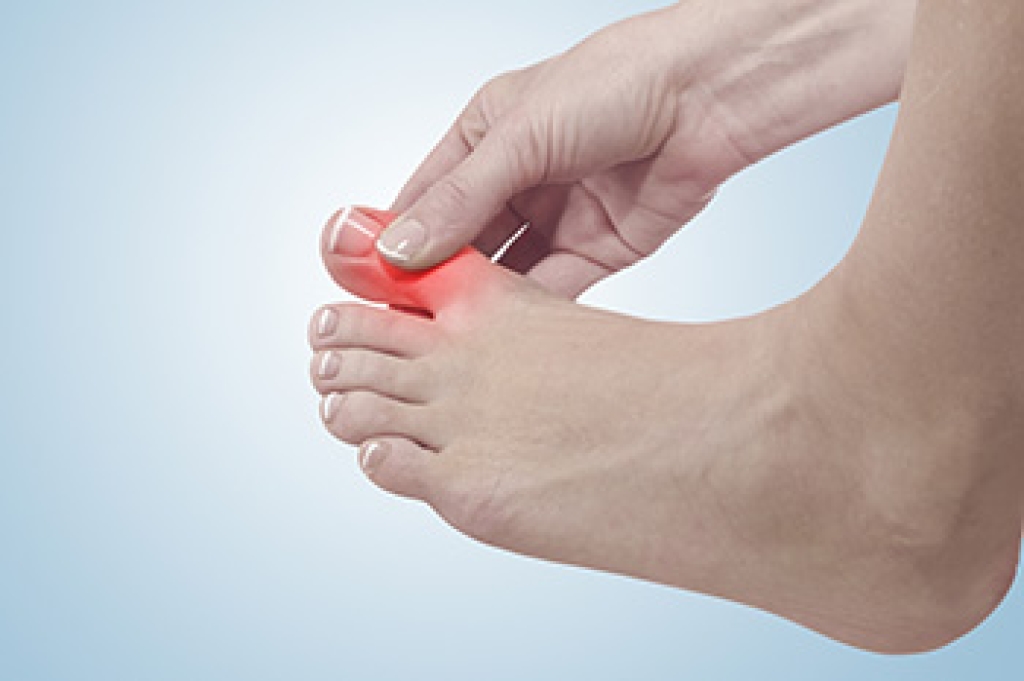
Gout is an inflammatory arthritis that develops from high levels of serum urate in the body which can form into crystals in and around a joint causing inflammation. Urate comes from purines found in the body’s tissues and many foods. When purines break down, they become urate. Not everyone who has high serum urate levels will develop gout, but if one does, it can flare up with intense pain, swelling, and stiffness. Gout flares can occur in any joint but often start in the big toe. With early intervention through treatment and lifestyle changes, gout is one of the most controllable forms of arthritis. Men, middle-aged and older people, and those with a genetic predisposition to gout are more at risk. This condition can be triggered by foods rich in purines, alcohol, certain medications, injury, or illness. It can lead to other complications like obesity, diabetes, and hypertension. Seeing a podiatrist for gout is the best route to proper diagnosis and treatment to help keep this affliction under control.

Gout is a foot condition that requires certain treatment and care. If you are seeking treatment, contact Dr. Arnold Tarpley, Jr. from Tarpley Foot and Ankle Center. Dr. Tarpley will treat your foot and ankle needs.

What Is Gout?

Gout is a type of arthritis caused by a buildup of uric acid in the bloodstream. It often develops in the foot, especially the big toe area, although it can manifest in other parts of the body as well. Gout can make walking and standing very painful and is especially common in diabetics and the obese.

People typically get gout because of a poor diet. Genetic predisposition is also a factor. The children of parents who have had gout frequently have a chance of developing it themselves.

Gout can easily be identified by redness and inflammation of the big toe and the surrounding areas of the foot. Other symptoms include extreme fatigue, joint pain, and running high fevers. Sometimes corticosteroid drugs can be prescribed to treat gout, but the best way to combat this disease is to get more exercise and eat a better diet.

If you have any questions, please feel free to contact one of our offices located in Uniontown, and Connellsville, PA . We offer the newest diagnostic and treatment technologies for all your foot care needs.

Read more about Everything You Need to Know About Gout

What to Do About a Corn on the Pinky Toe?

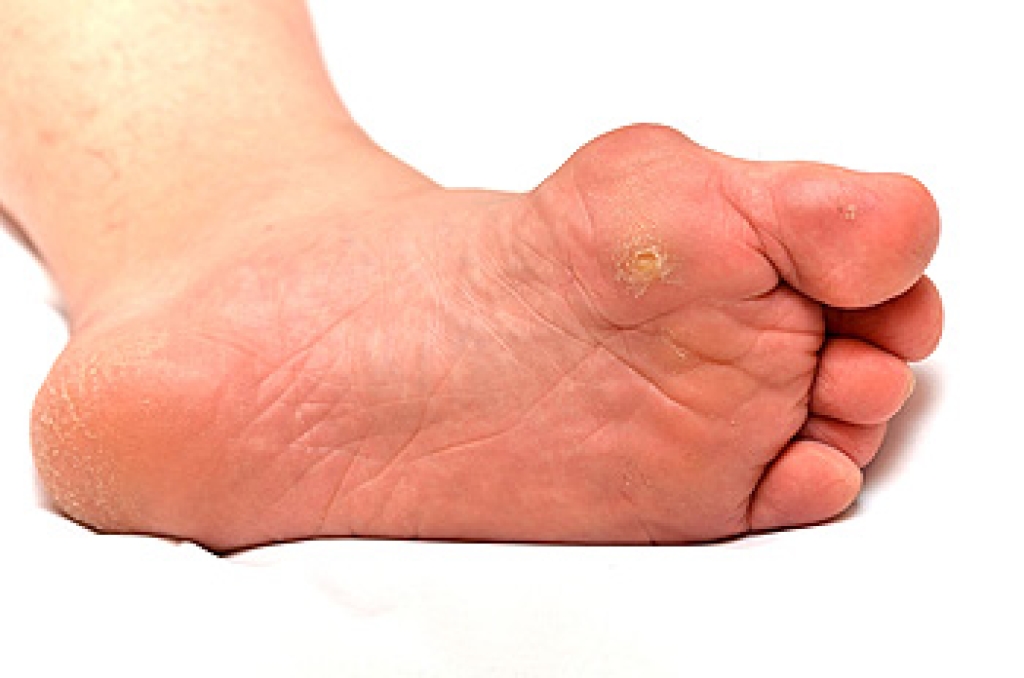
Corns, also called clavus, can appear on the toes and feet. The most common place a corn develops is on the side of the pinky toe. A corn is a whitish-yellow hardened patch of dead skin that becomes raised, inflamed, and painful due to repeated exposure to pressure and rubbing. This can happen if shoes are too tight or narrow and rub on the side of the pinky toe, prolonged time spent on the feet, structural problems of the feet or toe bones, or an abnormal gait. Those with diabetes, arthritis, and the elderly are more apt to develop corns. Prevention of corns includes wearing properly fitted shoes, resting feet, keeping feet clean, dry, and moisturized, and trimming toenails regularly. A corn on the pinky toe can be treated at home by soaking the foot in warm water, allowing the corn to soften and lift and/or drying the foot after the soak, and filing it gently with a pumice stone. Medicated corn pads, often containing salicylic acid, can be purchased from drug stores and these provide cushioning of the corn while directly applying medication to dissolve the corn. If these simple home remedies don't help or the corn is unusually painful or infected, it is suggested that you see a podiatrist who can use a properly sterilized surgical blade to shave the dead skin and remove the corn.

Corns can make walking very painful and should be treated immediately. If you have questions regarding your feet and ankles, contact Dr. Arnold Tarpley, Jr. of Tarpley Foot and Ankle Center. Dr. Tarpley will treat your foot and ankle needs.

Corns: What Are They? And How Do You Get Rid of Them?
Corns are thickened areas on the skin that can become painful. They are caused by excessive pressure and friction on the skin. Corns press into the deeper layers of the skin and are usually round in shape.

Ways to Prevent Corns
There are many ways to get rid of painful corns such as:

  • Wearing properly fitting shoes that have been measured by a professional
  • Wearing shoes that are not sharply pointed or have high heels
  • Wearing only shoes that offer support

Treating Corns

Although most corns slowly disappear when the friction or pressure stops, this isn’t always the case. Consult with your podiatrist to determine the best treatment option for your case of corns.

If you have any questions, please feel free to contact one of our offices located in Uniontown, and Connellsville, PA . We offer the newest diagnostic and treatment technologies for all your foot care needs.
Read more about Corns: What Are They, and How Do You Get Rid of Them

Wounds That Don't Heal Need to Be Checked

Your feet are covered most of the day. If you're diabetic, periodic screening is important for good health. Numbness is often a sign of diabetic foot and can mask a sore or wound.

Children Can Experience Heel Pain Too

It may be difficult for you to know if your child is having heel pain, because it isn’t often associated with children. However, certain conditions that cause heel pain can afflict the young, even if they don’t know how to properly communicate their distress. Sever’s disease, for instance, is a form of heel pain that stems from irritation to the growth plate in the heels of growing children. Children can also develop plantar fasciitis from overuse of the heel or by wearing shoes that don’t fit. This condition is a painful inflammation of the plantar fascia tissue where it connects to the heel on the sole of the feet. Active children can also develop tiny stress fractures of the heel bone which can occur gradually over time and be quite painful. There are certain clues your child’s condition may provide, if you know what to look for. If your child limps or changes the way they walk or run, cuts back on physical activities, complains that their feet or heels feel odd or stiff, or that something is stuck in their shoe, they may have a painful heel condition. It is suggested to make an appointment for your child with a podiatrist to have your child’s condition diagnosed and treated properly. 

The health of a child’s feet is vital to their overall well-being. If you have any questions regarding foot health, contact Dr. Arnold Tarpley, Jr. of Tarpley Foot and Ankle Center. Dr. Tarpley can provide the care you need to keep you pain-free and on your feet.

Tips for Keeping Children's Feet Healthy

  • Make sure their shoes fit properly
  • Look for any signs of in-toeing or out-toeing
  • Check to see if they have Clubfoot (condition that affects your child’s foot and ankle, twisting the heel and toes inward) which is one of the most common nonmajor birth defects.
  • Lightly cover your baby’s feet (Tight covers may keep your baby from moving their feet freely, and could prevent normal development)
  • Allow your toddler to go shoeless (Shoes can be restricting for a young child’s foot)
  • Cut toenails straight across to avoid ingrown toenails
  • Keep your child’s foot clean and dry
  • Cover cuts and scrapes. Wash any scratches with soap and water and cover them with a bandage until they’ve healed.

If you have any questions, please feel free to contact one of our offices located in Uniontown, and Connellsville, PA . We offer the newest diagnostic and treatment technologies for all your foot care needs.

Read more about What to Do to Keep Your Child’s Feet Healthy
Connect with us