


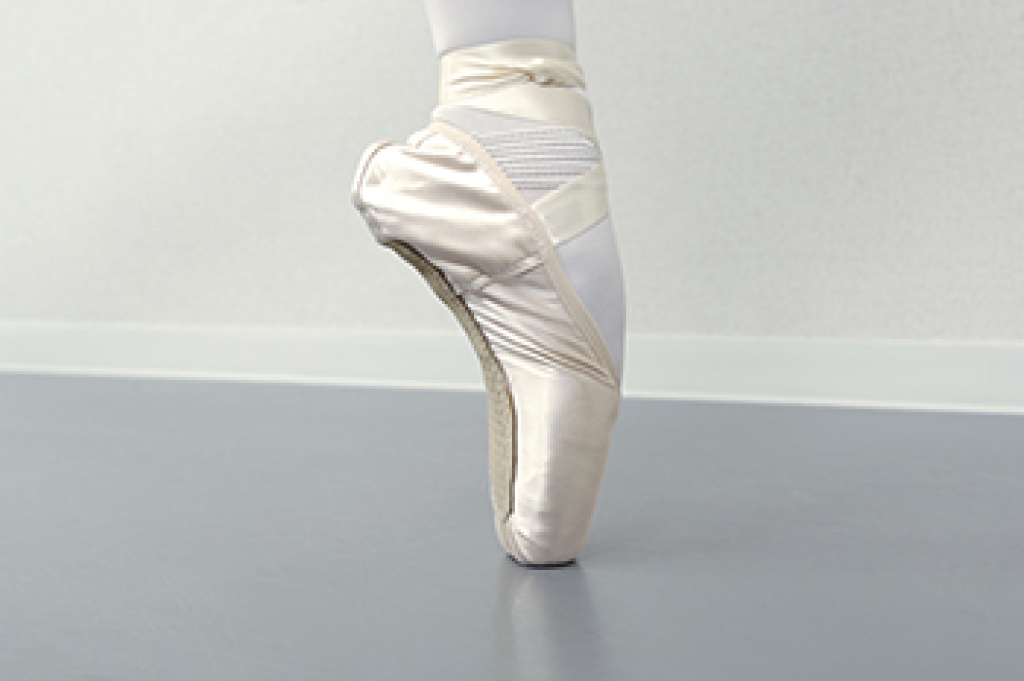
Ballet dancers rely on precise foot biomechanics to perform controlled and graceful movements. The foot is a highly specialized structure made up of interconnected bones that work together to provide stability and flexibility. During dance, the foot must transition between flat positions and elevated positions while maintaining balance. This requires strong coordination between the arch, toes, and supporting muscles. A clear understanding of how these elements function together helps dancers optimize performance and reduce the risk of injury.
The symptoms of poor foot biomechanics in ballet may include pain, fatigue, and instability during movement. Dancers may notice difficulty maintaining balance or achieving proper alignment in positions. The arch may collapse under pressure, or the toes may not distribute weight evenly. These issues can lead to discomfort and increase the likelihood of overuse injuries. Early recognition of these signs allows for corrective strategies that support better movement patterns.
Certain risk factors can affect how the foot performs in ballet. Foot shape, muscle strength, and joint flexibility all play a role. A medium arch provides an effective balance between mobility and support, which is ideal for most dancers. A square foot shape with straight toes helps create even pressure distribution, especially when working in pointe shoes. However, dancers with different foot types can still perform well with proper conditioning and technique. Identifying individual risk factors helps guide personalized care.
The causes of foot strain in ballet are often related to repetitive loading and mechanical imbalance. When the bones and joints do not work together efficiently, stress can build up in certain areas, leading to injury. Preventive measures include strengthening exercises, proper warm up routines, and wearing supportive footwear. Consistent care and technique refinement are essential for long term success in dance. If you have endured a foot or ankle injury while engaged in ballet dancing, it is suggested you consult a podiatrist for an accurate diagnosis and appropriate treatment.
If you have any concerns about your feet, contact Dr. Arnold Tarpley, Jr. from Tarpley Foot and Ankle Center. Dr. Tarpley can provide the care you need to keep you pain-free and on your feet.
Biomechanics in Podiatry
Podiatric biomechanics is a particular sector of specialty podiatry with licensed practitioners who are trained to diagnose and treat conditions affecting the foot, ankle and lower leg. Biomechanics deals with the forces that act against the body, causing an interference with the biological structures. It focuses on the movement of the ankle, the foot and the forces that interact with them.
A History of Biomechanics
- Biomechanics dates back to the BC era in Egypt where evidence of professional foot care has been recorded.
- In 1974, biomechanics gained a higher profile from the studies of Merton Root, who claimed that by changing or controlling the forces between the ankle and the foot, corrections or conditions could be implemented to gain strength and coordination in the area.
Modern technological improvements are based on past theories and therapeutic processes that provide a better understanding of podiatric concepts for biomechanics. Computers can provide accurate information about the forces and patterns of the feet and lower legs.
Understanding biomechanics of the feet can help improve and eliminate pain, stopping further stress to the foot.
If you have any questions please feel free to contact one of our offices located in Uniontown, and Connellsville, PA . We offer the newest diagnostic and treatment technologies for all your foot and ankle needs.


