Uniontown 
Connellsville 
(724) 320-2447

Blog

Facts About Pediatric Gout

Gout is a form of arthritis caused by a buildup of uric acid crystals in the joints, leading to sudden inflammation and intense discomfort. Although it is more common in adults, it can affect children, especially those with certain health conditions. Pediatric gout can develop due to obesity, Down syndrome, kidney disease, or metabolic issues that affect how the body processes uric acid. Symptoms include severe pain, swelling, redness, and warmth in the big toe. A podiatrist can evaluate the feet and ankles, identify flare triggers, provide guidance on supportive care, and create a plan to reduce discomfort and prevent future episodes. If your child has pain in the big toe or other symptoms of gout, it is suggested that you schedule an appointment with a podiatrist to ensure your child receives expert foot and ankle care.

Gout is a foot condition that requires certain treatment and care. If you are seeking treatment, contact Dr. Arnold Tarpley, Jr. from Tarpley Foot and Ankle Center. Dr. Tarpley will treat your foot and ankle needs.

What Is Gout?

Gout is a type of arthritis caused by a buildup of uric acid in the bloodstream. It often develops in the foot, especially the big toe area, although it can manifest in other parts of the body as well. Gout can make walking and standing very painful and is especially common in diabetics and the obese.

People typically get gout because of a poor diet. Genetic predisposition is also a factor. The children of parents who have had gout frequently have a chance of developing it themselves.

Gout can easily be identified by redness and inflammation of the big toe and the surrounding areas of the foot. Other symptoms include extreme fatigue, joint pain, and running high fevers. Sometimes corticosteroid drugs can be prescribed to treat gout, but the best way to combat this disease is to get more exercise and eat a better diet.

If you have any questions, please feel free to contact one of our offices located in Uniontown, and Connellsville, PA . We offer the newest diagnostic and treatment technologies for all your foot care needs.

Read more about Everything You Need to Know About Gout

Alternative Treatment Options for Diabetic Foot Ulcers

A diabetic foot ulcer is an open sore that develops most often on the bottom of the foot. High blood sugar levels can damage nerves and reduce circulation, making it harder to feel small injuries and slower for wounds to heal. Over time, even a minor cut or blister can turn into a painful ulcer that may become infected if not treated quickly. Anyone living with diabetes can develop a foot ulcer, but those with poor circulation, neuropathy, or a history of foot problems are at greater risk. Treatment may involve cleaning and protecting the wound, removing unhealthy tissue, or using advanced therapies such as special dressings, topical medications, or even hyperbaric oxygen to accelerate healing. Preventing ulcers starts with daily foot checks, wearing proper footwear, and good blood sugar control. If you notice a sore that is not healing, it is suggested that you promptly contact a podiatrist who can help you to manage this potentially serious condition.

Wound care is an important part in dealing with diabetes. If you have diabetes and a foot wound or would like more information about wound care for diabetics, consult with Dr. Arnold Tarpley, Jr. from Tarpley Foot and Ankle Center. Dr. Tarpley will assess your condition and provide you with quality foot and ankle treatment.

What Is Wound Care?

Wound care is the practice of taking proper care of a wound. This can range from the smallest to the largest of wounds. While everyone can benefit from proper wound care, it is much more important for diabetics. Diabetics often suffer from poor blood circulation which causes wounds to heal much slower than they would in a non-diabetic. 

What Is the Importance of Wound Care?

While it may not seem apparent with small ulcers on the foot, for diabetics, any size ulcer can become infected. Diabetics often also suffer from neuropathy, or nerve loss. This means they might not even feel when they have an ulcer on their foot. If the wound becomes severely infected, amputation may be necessary. Therefore, it is of the upmost importance to properly care for any and all foot wounds.

How to Care for Wounds

The best way to care for foot wounds is to prevent them. For diabetics, this means daily inspections of the feet for any signs of abnormalities or ulcers. It is also recommended to see a podiatrist several times a year for a foot inspection. If you do have an ulcer, run the wound under water to clear dirt from the wound; then apply antibiotic ointment to the wound and cover with a bandage. Bandages should be changed daily and keeping pressure off the wound is smart. It is advised to see a podiatrist, who can keep an eye on it.

If you have any questions please contact one of our offices located in Uniontown, and Connellsville, PA . We offer the newest diagnostic and treatment technologies for all your foot and ankle needs.

Read more about Wound Care

Foot and Toe Injuries Related to Cold Temperatures

Cold-related foot injuries, such as frostbite, chilblains, and trench foot, occur when feet are exposed to prolonged cold and damp conditions. Frostbite happens in freezing temperatures, leading to tissue damage as blood flow slows. Symptoms include numbness, discoloration, and potentially blistering. Chilblains, or painful, itchy swelling, develop when skin repeatedly warms up too quickly after cold exposure, causing blood vessels to leak. Trench foot, resulting from prolonged dampness in cold conditions, leads to tissue breakdown, swelling, and pain. These injuries are especially common among outdoor workers, hikers, and individuals without proper cold-weather footwear. Prevention involves wearing insulated, moisture-wicking socks and waterproof boots to keep feet warm and dry. If symptoms develop, it is suggested that you rewarm feet and visit a podiatrist promptly, so that the severity can be assessed and complications avoided.

Toe pain can disrupt your daily activities. If you have any concerns, contact Dr. Arnold Tarpley, Jr. of Tarpley Foot and Ankle Center. Dr. Tarpley can provide the care you need to keep you pain-free and on your feet.

What Causes Toe Pain?

Most severe toe pain is caused due to a sports injury, trauma from dropping something heavy on the toe, or bumping into something rigid. Other problems can develop over time for various reasons.

Toe pain can be caused by one or more ailments. The most common include:

  • Trauma
  • Sports injury
  • Wearing shoes that are too tight
  • Arthritis
  • Gout
  • Corns and calluses
  • Hammertoe
  • Bunions
  • Blisters
  • Ingrown toenails
  • Sprains
  • Fractures (broken bones)
  • Dislocations

When to See a Podiatrist

  • Severe pain
  • Persistent pain that lasts more than a week
  • Signs of infection
  • Continued swelling
  • Pain that prevents walking

Diagnosis

In many cases the cause of toe pain is obvious, but in others, a podiatrist may want to use more advanced methods to determine the problem. These can range from simple visual inspections and sensation tests to X-rays and MRI scans. Prior medical history, family medical history, and any recent physical traumatic events will all be taken into consideration for a proper diagnosis.

Treatment

Treatments for toe pain and injuries vary and may include shoe inserts, padding, taping, medicines, injections, and in some cases, surgery. If you believe that you have broken a toe, please see a podiatrist as soon as possible.

If you have any questions please contact one of our offices located in Uniontown, and Connellsville, PA . We offer the newest diagnostic and treatment technologies for all your foot and ankle needs.

Read more about Toe Pain

Heel Pain Can Be Treated!

Do you suffer from heel pain when you get up in the morning? If so, you should seek professional help and have a proper diagnosis performed. Heel pain can be caused by several different foot-related conditions.

Types of Corns on the Feet

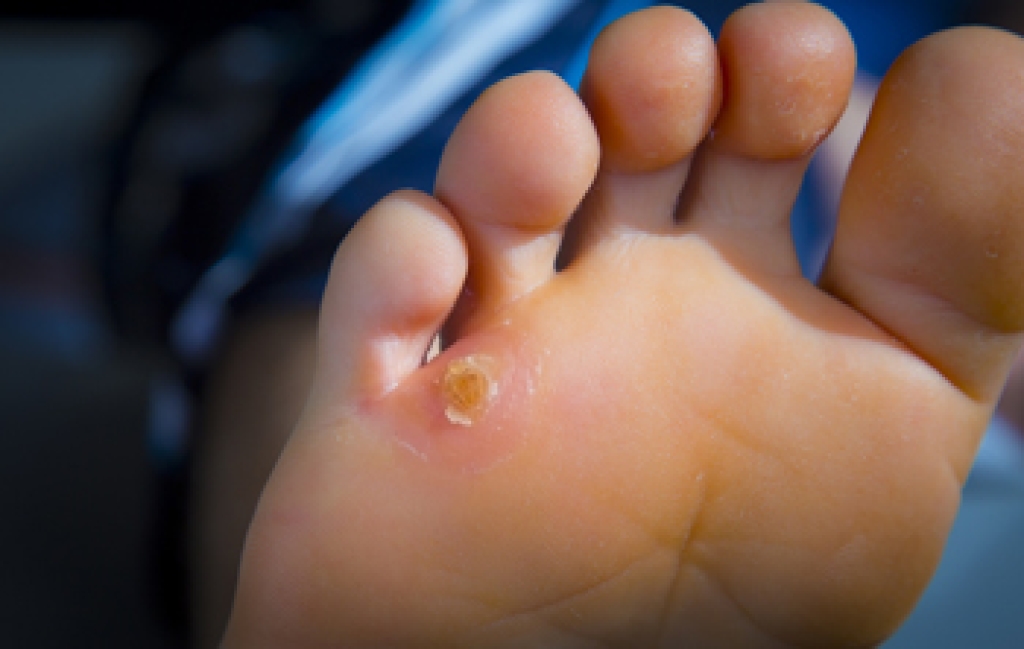
A corn on the foot can develop from excess pressure. This is often the result of wearing shoes that do not fit correctly. The types of corns that can form are referred to as hard and soft corns. The latter gradually develops between the toes and can cause severe pain and discomfort. The top of the corn is often moist, and toes that are crammed together for the majority of the day may cause this to occur. Hard corns can develop on top of the toes, or on the bottom of the feet. Patients who run barefoot may be susceptible to developing a hard corn. Additionally, they can form on top of the toes from wearing shoes that can cause excess friction as walking and running are pursued. If you have a corn on your foot, please consult with a podiatrist who can effectively treat any type of corn.

Corns can make walking very painful and should be treated immediately. If you have questions regarding your feet and ankles, contact Dr. Arnold Tarpley, Jr. of Tarpley Foot and Ankle Center. Dr. Tarpley will treat your foot and ankle needs.

Corns: What Are They? And How Do You Get Rid of Them?
Corns are thickened areas on the skin that can become painful. They are caused by excessive pressure and friction on the skin. Corns press into the deeper layers of the skin and are usually round in shape.

Ways to Prevent Corns
There are many ways to get rid of painful corns such as:

  • Wearing properly fitting shoes that have been measured by a professional
  • Wearing shoes that are not sharply pointed or have high heels
  • Wearing only shoes that offer support

Treating Corns

Although most corns slowly disappear when the friction or pressure stops, this isn’t always the case. Consult with your podiatrist to determine the best treatment option for your case of corns.

If you have any questions, please feel free to contact one of our offices located in Uniontown, and Connellsville, PA . We offer the newest diagnostic and treatment technologies for all your foot care needs.

Read more about Everything You Need to Know About Corns
Connect with us