
Uniontown 
Connellsville 
(724) 320-2447

Blog

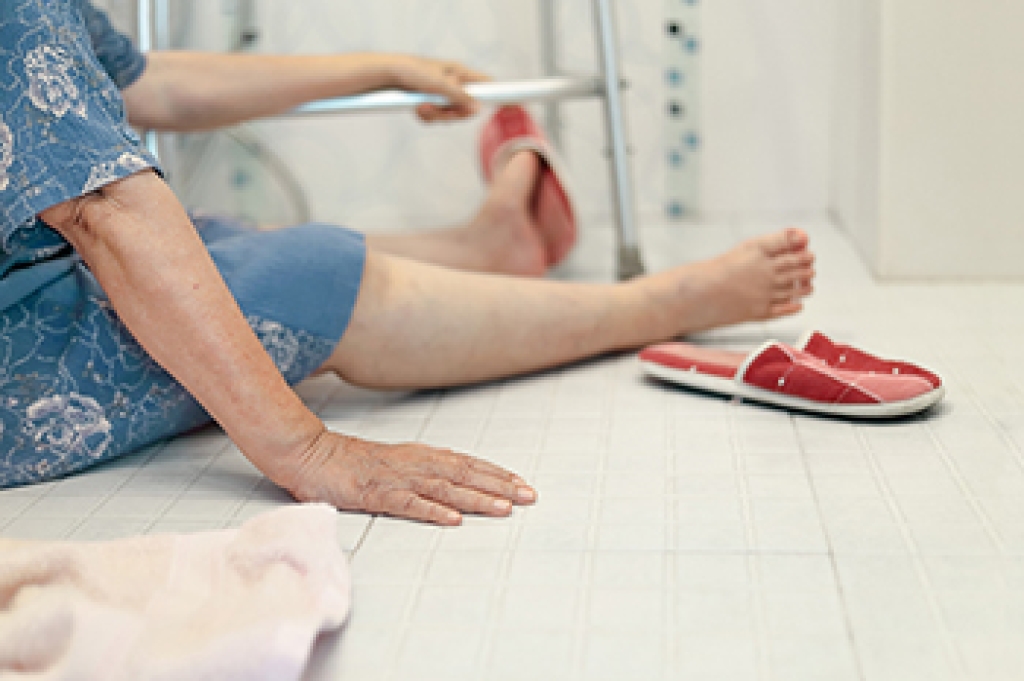
Preventing Falls Begins With Better Foot Health

Falls can cause serious injuries and reduce a person's confidence and independence. Older adults face a higher risk of falls, but balance problems can affect patients of any age. Foot pain, weak ankles, and numbness can make each step less secure. Shoes that fit poorly or lack proper support can increase the chance of slipping or tripping. Fear of falling can cause people to limit activity. This can weaken the legs and make balance more difficult. Recognizing these risks early helps protect mobility and independence.

A podiatrist can examine the feet, ankles, and walking pattern to find problems that affect stability. The examination includes checking joint movement, muscle strength, and sensation. A podiatrist can also look for bunions, corns, or thick toenails that change how a patient walks. Treatment depends on the cause. Custom orthotics can improve foot position and support. Braces can steady weak ankles, while professional nail and skin care can reduce painful pressure. A podiatrist can recommend properly fitted shoes with firm soles, secure fasteners, and enough room for the toes. These steps can help patients feel more stable when walking.

Patients should mention dizziness, vision changes, or hearing problems. A podiatrist can review medicines that affect alertness or balance. Certain exercises can be prescribed to improve strength, flexibility, and coordination. Falls prevention also requires attention to daily surroundings and general health. Inside the home, clear walking paths and bright lighting can reduce hazards. Secure handrails can provide support near stairs. Patients should avoid loose rugs, clutter, and shoes with worn soles. Using a prescribed cane or walker correctly can add stability. Regular visits with a podiatrist are especially important for patients with diabetes, poor circulation, or reduced feeling in their feet. A podiatrist can identify changes before they interfere further with safe movement. If you have fallen, or are at risk of falling, it is suggested that you schedule an appointment with a podiatrist for additional guidance on fall prevention tips. 

Preventing falls among the elderly is very important. If you are older and have fallen or fear that you are prone to falling, consult with Dr. Arnold Tarpley, Jr. from Tarpley Foot and Ankle Center. Dr. Tarpley will assess your condition and provide you with quality advice and care.

Every 11 seconds, an elderly American is being treated in an emergency room for a fall related injury. Falls are the leading cause of head and hip injuries for those 65 and older. Due to decreases in strength, balance, senses, and lack of awareness, elderly persons are very susceptible to falling. Thankfully, there are a number of things older persons can do to prevent falls.

How to Prevent Falls

Some effective methods that older persons can do to prevent falls include:

  • Enrolling in strength and balance exercise program to increase balance and strength
  • Periodically having your sight and hearing checked
  • Discuss any medications you have with a doctor to see if it increases the risk of falling
  • Clearing the house of falling hazards and installing devices like grab bars and railings
  • Utilizing a walker or cane
  • Wearing shoes that provide good support and cushioning
  • Talking to family members about falling and increasing awareness

Falling can be a traumatic and embarrassing experience for elderly persons; this can make them less willing to leave the house, and less willing to talk to someone about their fears of falling. Doing such things, however, will increase the likelihood of tripping or losing one’s balance. Knowing the causes of falling and how to prevent them is the best way to mitigate the risk of serious injury.  

If you have any questions, please feel free to contact one of our offices located in Uniontown, and Connellsville, PA . We offer the newest diagnostic and treatment technologies for all your foot care needs.

Read more about Falls Prevention

How Fibromyalgia Can Cause Foot Pain

Fibromyalgia causes long-lasting pain and increased sensitivity throughout the body. It can also affect sleep, energy, and mood. Although the condition is not caused by a foot injury, many patients report aching, burning, or stabbing pain in their feet. The toes and ankles can also feel stiff or tender. In some cases, light pressure from socks or shoes can feel unusually painful. This increased sensitivity can cause normally painless sensations to hurt. Foot pain can also make it harder to stand, walk, and complete daily tasks.

Foot pain in a patient with fibromyalgia may be caused by other conditions. Plantar fasciitis, arthritis, or nerve problems can cause similar symptoms. A podiatrist can examine the feet, review the location of the pain, and assess how the patient walks. The examination can also identify swelling, reduced joint movement, or areas that are especially sensitive to pressure. X-rays or other imaging tests can help rule out structural problems. A clear diagnosis matters because fibromyalgia-related sensitivity and a separate foot condition can be present at the same time.

A podiatrist develops a treatment plan based on the examination and the patient’s daily needs. Custom orthotics can improve foot alignment, distribute pressure more evenly, and reduce strain on painful areas. The podiatrist can also recommend shoes with proper support and enough room around sensitive toes. Padding or other protective devices can reduce rubbing against tender skin. Regular foot evaluations allow the podiatrist to track changes in pain, movement, and function. Care can also be coordinated with the doctor managing the patient’s fibromyalgia. The goal is to ease foot stress and help the patient remain as comfortable and active as possible. If you have foot pain as the result of fibromyalgia, it is suggested that you schedule an appointment with a podiatrist effective relief and management solutions.

When dealing with systemic disease of the feet, it is extremely important to check the affected areas routinely so that any additional problems are caught quickly.  If you have any concerns about your feet and ankles contact Dr. Arnold Tarpley, Jr. from Tarpley Foot and Ankle Center. Dr. Tarpley will assist you with all of your podiatric needs.

Systemic Diseases of the Feet

Systemic diseases affect the whole body, and symptoms usually are displayed in the feet. This condition can make a patient’s ability to walk unbearable.  Systemic diseases include gout, diabetes mellitus, neurological disorders, and arthritis.

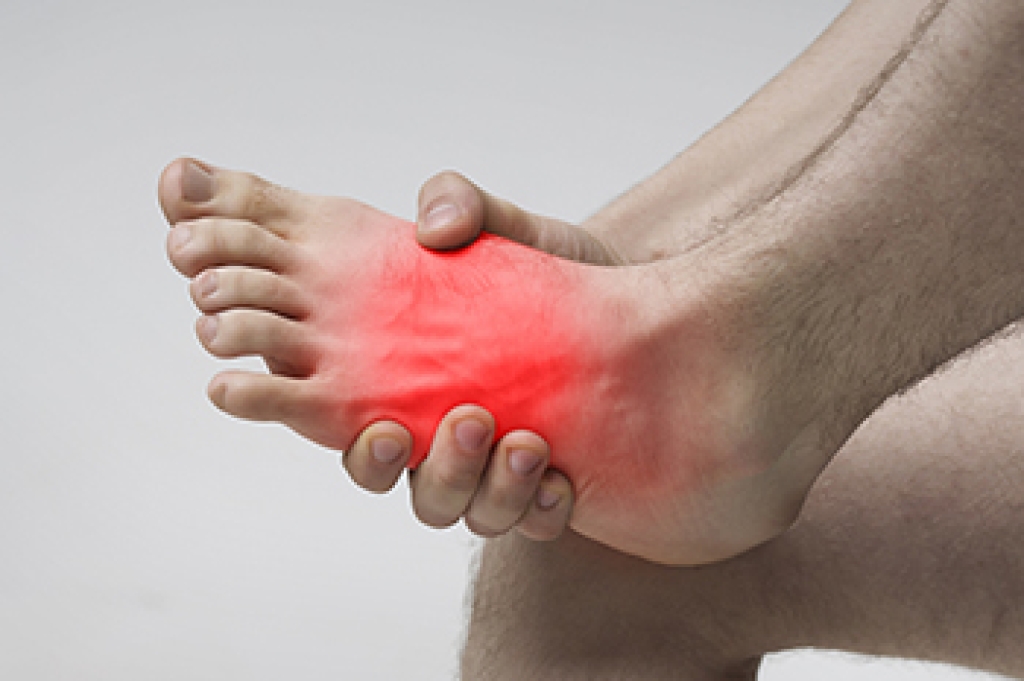
Gout – is caused by an excess of uric acid in the body. Common symptoms include pain, inflammation, and redness at the metatarsal/phalangeal joint of the base big toe. Gout can be treated by NSAIDs to relieve pain and inflammation, and other drugs that lower the acid levels in the body.

Diabetes mellitus – is an increase in the level of blood sugar that the body cannot counteract with its own insulin. Failure to produce enough insulin is a factor in Diabetes.

Diabetes of the Feet

Diabetic Neuropathy – may lead to damaged nerves and affect the feet through numbness and loss of sensation.

Peripheral Vascular Disease – can restrict the blood flow to the feet, and often times lead to amputation of the feet. 

If you have any questions please contact one of our offices located in Uniontown, and Connellsville, PA . We offer the newest diagnostic and treatment technologies for all your foot and ankle needs.

Read more about Systemic Diseases of the Foot

Foot Fusion Surgery for Painful and Damaged Joints

Foot fusion surgery, also called arthrodesis, joins damaged bones so they heal into one stable unit. It may be recommended when a foot joint causes ongoing pain, swelling, or difficulty walking. Fusion can involve the hind foot or midfoot, depending on the location of the problem. Hind-foot joints help provide stability and control movement near the heel and ankle. Common causes include arthritis, severe injuries, and damage that has not improved with other treatment.

A podiatrist may recommend fusion when a joint is too damaged to function comfortably or when painful movement continues despite non-surgical care. The purpose is to reduce painful joint motion and create a stable foundation for walking. Before surgery, the podiatrist reviews symptoms and medical history, examines foot alignment, and uses imaging to evaluate the affected bones and joints. During surgery, damaged cartilage is removed, the bones are positioned carefully, and screws or plates may hold them together while they heal.


Smoking, diabetes, and some medications may affect bone healing. The podiatrist discusses these concerns before surgery and provides instructions to improve surgical safety. After the procedure, the foot is protected with a splint, cast, or boot. Weight-bearing is restricted according to the surgical plan, and follow-up visits help the podiatrist check the incision, swelling, and early healing.


Recovery from foot fusion surgery takes time because the bones must grow together securely. The podiatrist may gradually increase weight-bearing, change protective devices, and use X-rays to confirm progress. Patients should follow activity restrictions and report unusual drainage, fever, or worsening pain. Although the fused joint loses motion, successful surgery can reduce pain and improve stability. If arthritis, injury, or deformity is limiting your mobility, it is suggested that you consult a podiatrist who can discuss the benefits of this type of foot surgery with you. 

Foot surgery is sometimes necessary to treat a foot ailment. To learn more, contact Dr. Arnold Tarpley, Jr. of Tarpley Foot and Ankle Center. Dr. Tarpley will assist you with all of your foot and ankle needs.

When Is Surgery Necessary?

Foot and ankle surgery is generally reserved for cases in which less invasive, conservative procedures have failed to alleviate the problem. Some of the cases in which surgery may be necessary include:

  • Removing foot deformities like bunions and bone spurs
  • Severe arthritis that has caused bone issues
  • Cosmetic reconstruction

What Types of Surgery Are There?

The type of surgery you receive will depend on the nature of the problem you have. Some of the possible surgeries include:

  • Bunionectomy for painful bunions
  • Surgical fusion for realignment of bones
  • Neuropathy decompression surgery to treat nerve damage

Benefits of Surgery

Although surgery is usually a last resort, it can provide more complete pain relief compared to non-surgical methods and may allow you to finally resume full activity.

Surgical techniques have also become increasingly sophisticated. Techniques like endoscopic surgery allow for smaller incisions and faster recovery times.

If you have any questions, please feel free to contact one of our offices located in Uniontown, and Connellsville, PA . We offer the newest diagnostic and treatment technologies for all your foot care needs.

Read more about Foot Surgery

Treating Corns With Professional Foot Care

Corns are areas of thickened skin that develop when the foot experiences repeated pressure or friction. They commonly appear on areas that receive extra stress, like the tops or sides of toes and other parts of the foot. The skin becomes thicker as the body tries to protect the area from irritation. Corns can cause discomfort while walking, wearing shoes, or completing daily activities. Symptoms include a hard area of skin, tenderness, pain, and sensitivity when pressure is placed on the affected area. Some patients develop corns because of changes in foot structure, toe alignment, or shoes that create excess pressure. A podiatrist can examine the foot to determine the cause and recommend appropriate treatment.

This foot doctor evaluates corns by examining the affected skin, reviewing symptoms, and assessing how the foot moves. The evaluation includes checking toe alignment, foot structure, walking patterns, and footwear choices. Understanding these factors helps identify why pressure is developing in certain areas of the foot. A podiatrist creates a treatment plan focused on reducing discomfort and improving foot function. Treatment includes professional care to remove thickened skin safely, address contributing factors, and support healthier movement. A podiatrist also evaluates footwear because shoes that lack proper support or fit poorly can increase pressure and friction on the toes.

Research shows that corns can affect comfort and mobility, making proper evaluation important for patients experiencing ongoing foot concerns. A podiatrist helps identify the cause of corns and develops a plan based on each patient’s foot structure and symptoms. Professional treatment can improve comfort and support better movement during daily activities. Addressing the factors that contribute to corn formation can help maintain healthier skin and improve overall foot health. Treatment plans are personalized according to examination findings and each patient’s needs. If you have developed corns, it is suggested that you schedule an appointment with a podiatrist for effective relief and treatment tips.

If you have any concerns regarding your feet and ankles, contact Dr. Arnold Tarpley, Jr. of Tarpley Foot and Ankle Center. Dr. Tarpley will treat your foot and ankle needs.

Corns: What Are They? and How Do You Get Rid of Them?
Corns can be described as areas of the skin that have thickened to the point of becoming painful or irritating. They are often layers and layers of the skin that have become dry and rough, and are normally smaller than calluses.

Ways to Prevent Corns
There are many ways to get rid of painful corns such as wearing:

  • Well-fitting socks
  • Comfortable shoes that are not tight around your foot
  • Shoes that offer support

Treating Corns
Treatment of corns involves removing the dead skin that has built up in the specific area of the foot. Consult with Dr. Tarpley to determine the best treatment option for your case of corns.

If you have any questions, please feel free to contact one of our offices located in Uniontown, and Connellsville, PA . We offer the newest diagnostic and treatment technologies for all your foot care needs.
Read more about Corns and Calluses

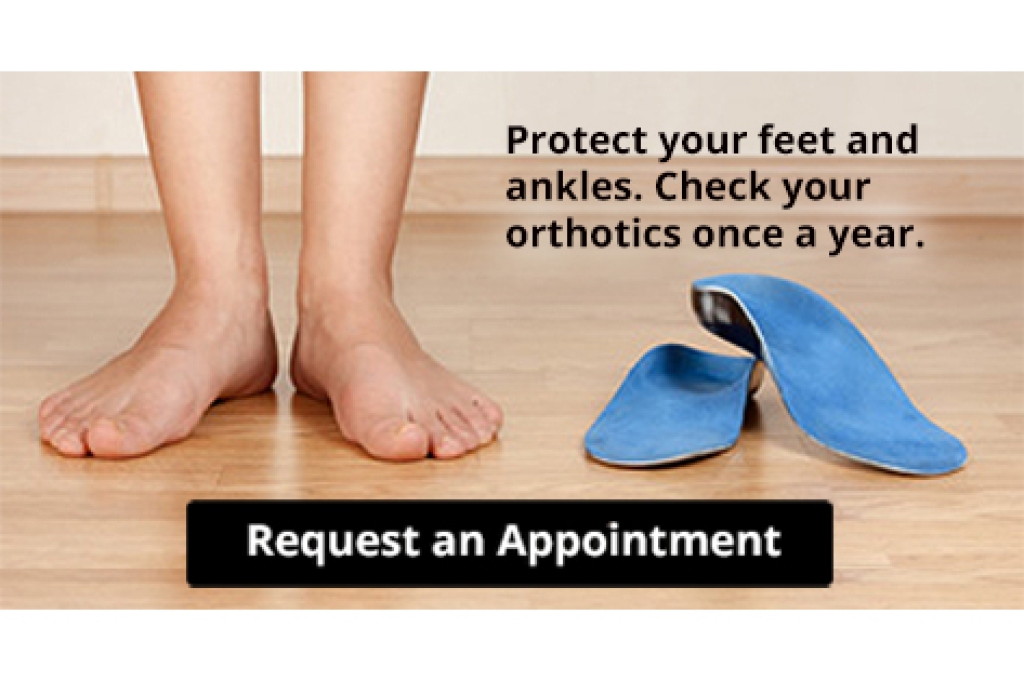
Reminder: When Was the Last Time...?

Custom orthotics, or shoe inserts, should be periodically replaced. Orthotics must fit properly to give you the best results. Protect your feet and ankles!

Connect with us