
Uniontown 
Connellsville 
(724) 320-2447

Blog

Protecting Foot Health When You Have Inflammatory Arthritis

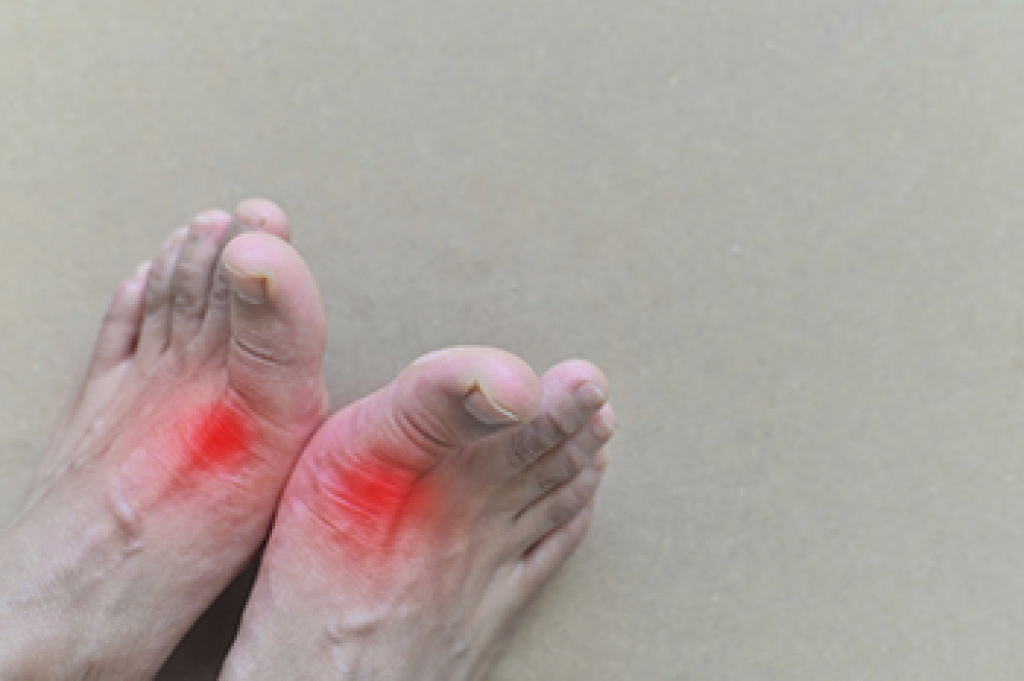
Inflammatory arthritis is a group of conditions in which the immune system causes ongoing joint inflammation. Common types include rheumatoid arthritis, psoriatic arthritis, ankylosing spondylitis, and gout. These conditions often affect the feet and ankles early, leading to pain, swelling, stiffness, and changes in joint structure. Over time, inflammation can alter foot shape, increase pressure points, and make walking difficult. Proper foot care helps reduce discomfort and protect mobility. Wearing supportive footwear with cushioning and adequate toe space can limit joint stress, while custom orthotics may improve alignment and pressure distribution. Gentle movement, stretching, and pacing daily activities can also help manage symptoms. Swelling and joint changes increase the risk of skin irritation, calluses, and nail problems, making routine foot checks important. If foot pain, deformity, or walking difficulty develops, it is suggested that you see a podiatrist for evaluation and appropriate treatment.

Arthritis can be a difficult condition to live with. If you are seeking treatment, contact Dr. Arnold Tarpley, Jr. from Tarpley Foot and Ankle Center. Dr. Tarpley can provide the care you need to keep you pain-free and on your feet.

Arthritic Foot Care  

Arthritis is a term that is commonly used to describe joint pain.  The condition itself can occur to anyone of any age, race, or gender, and there are over 100 types of it.  Nevertheless, arthritis is more commonly found in women compared to men, and it is also more prevalent in those who are overweight. The causes of arthritis vary depending on which type of arthritis you have. Osteoarthritis for example, is often caused by injury, while rheumatoid arthritis is caused by a misdirected immune system.

Symptoms

  • Swelling
  • Pain
  • Stiffness
  • Decreased Range of Motion

Arthritic symptoms range in severity, and they may come and go. Some symptoms stay the same for several years but could potentially get worse with time. Severe cases of arthritis can prevent its sufferers from performing daily activities and make walking difficult.

Risk Factors

  • Occupation – Occupations requiring repetitive knee movements have been linked to osteoarthritis
  • Obesity – Excess weight can contribute to osteoarthritis development
  • Infection – Microbial agents can infect the joints and trigger arthritis
  • Joint Injuries – Damage to joints may lead to osteoarthritis
  • Age – Risk increases with age
  • Gender –Most types are more common in women
  • Genetics – Arthritis can be hereditary

If you suspect your arthritis is affecting your feet, it is crucial that you see a podiatrist immediately. Your doctor will be able to address your specific case and help you decide which treatment method is best for you.

If you have any questions please feel free to contact one of our offices located in Uniontown, and Connellsville, PA . We offer the newest diagnostic tools and technology to treat your foot and ankle needs.

Read more about How to Care for Your Arthritic Foot

Why Live with Pain and Numbness in Your Feet?

Suffering from this type of pain? You may have the foot condition known as Morton's neuroma. Morton's neuroma may develop as a result of ill-fitting footwear and existing foot deformities. We can help.

Pain in the Ball of the Foot

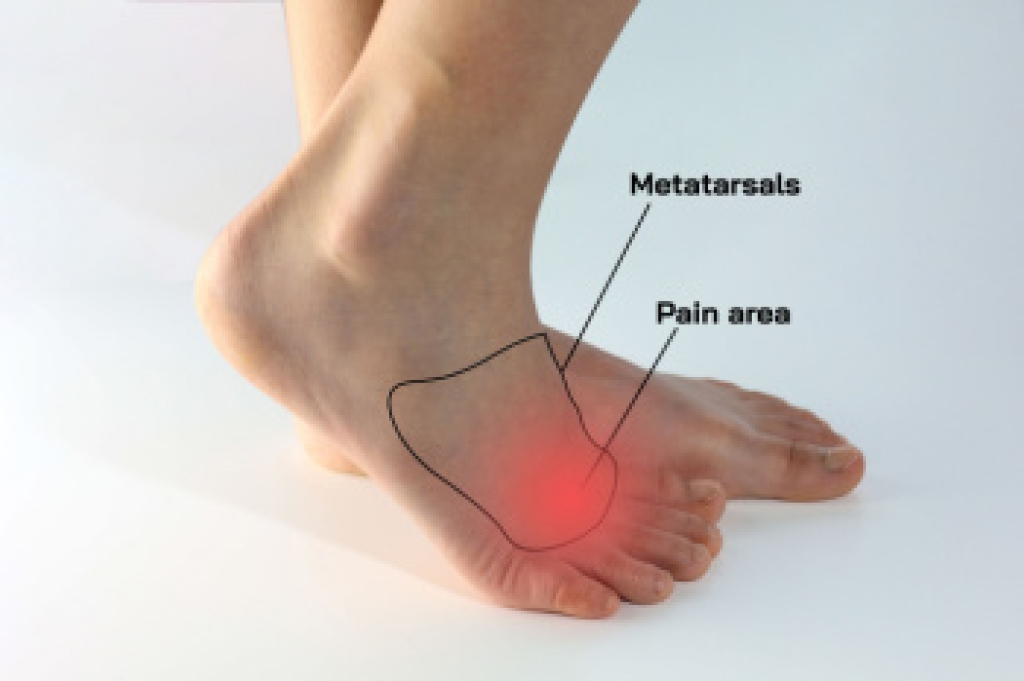
Persistent pain in the ball of the foot, termedcc metatarsalgia, can affect walking, standing, and other daily activities. One major cause of metatarsalgia is increased pressure on the forefoot, often linked to high-impact activities, prolonged standing, or footwear without proper cushioning. Structural issues like high arches, flat feet, bunions, or hammertoes can also shift weight forward and strain the metatarsal bones. Inflammation of surrounding soft tissues, nerve irritation like Morton’s neuroma, and stress fractures may also contribute to discomfort in this area. A podiatrist can evaluate foot structure, gait, and activity level to identify the underlying cause of pain. Treatment includes footwear guidance, custom orthotics, padding, activity modification, and other medical interventions based on the diagnosis. If you are experiencing pain in the ball of the foot, it is suggested that you make an appointment with a podiatrist for an exam, diagnosis, and treatment.

Foot Pain

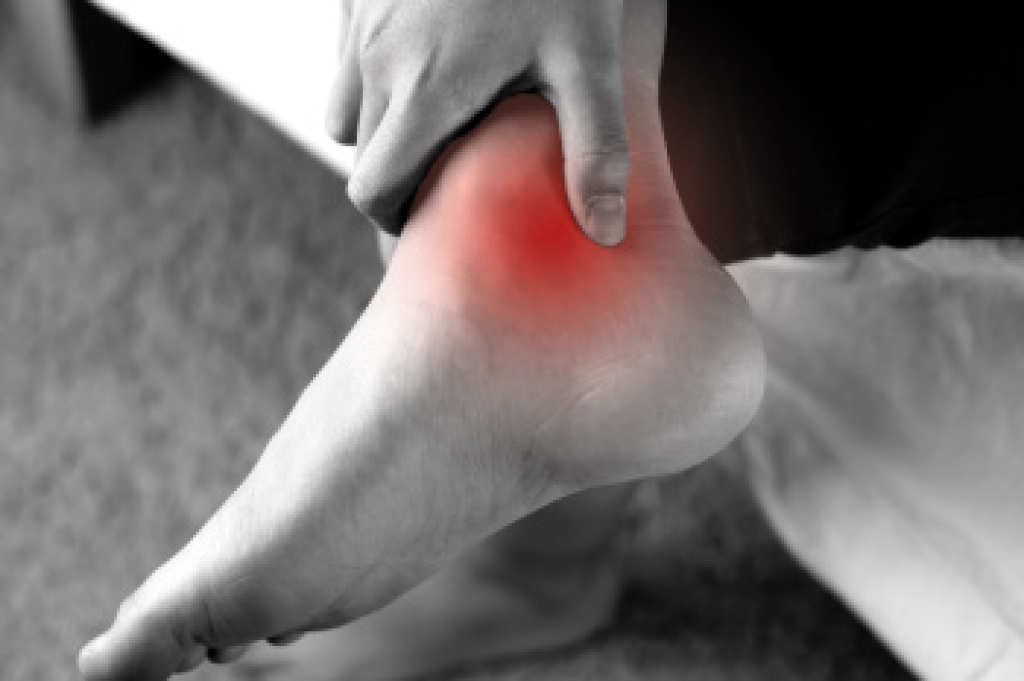
Foot pain can be extremely painful and debilitating. If you have a foot pain, consult with Dr. Arnold Tarpley, Jr. from Tarpley Foot and Ankle Center. Dr. Tarpley will assess your condition and provide you with quality foot and ankle treatment.

Causes

Foot pain is a very broad condition that could be caused by one or more ailments. The most common include:

  • Bunions
  • Hammertoes
  • Plantar Fasciitis
  • Bone Spurs
  • Corns
  • Tarsal Tunnel Syndrome
  • Ingrown Toenails
  • Arthritis (such as Gout, Rheumatoid, and Osteoarthritis)
  • Flat Feet
  • Injury (from stress fractures, broken toe, foot, ankle, Achilles tendon ruptures, and sprains)
  • And more

Diagnosis

To figure out the cause of foot pain, podiatrists utilize several different methods. This can range from simple visual inspections and sensation tests to X-rays and MRI scans. Prior medical history, family medical history, and any recent physical traumatic events will all be taken into consideration for a proper diagnosis.

Treatment

Treatment depends upon the cause of the foot pain. Whether it is resting, staying off the foot, or having surgery; podiatrists have a number of treatment options available for foot pain.

If you have any questions, please feel free to contact one of our offices located in Uniontown, and Connellsville, PA . We offer the newest diagnostic and treatment technologies for all your foot care needs.
Read more about Foot Pain

Why Ingrown Toenail Surgery May Be Necessary for Lasting Relief

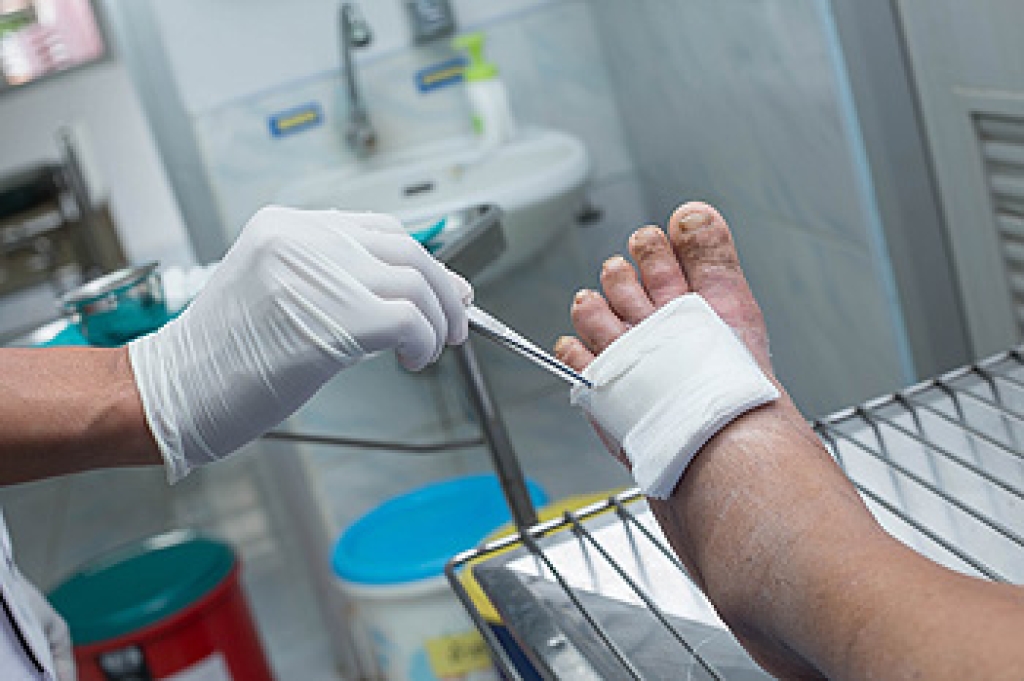
An ingrown toenail occurs when the edge of the nail grows into the surrounding skin, causing pain, redness, swelling, and sometimes infection. This condition most often affects the big toe and can worsen, if left untreated. When conservative care does not resolve the problem or when infection continues to return, ingrown toenail surgery may be necessary. The procedure involves carefully removing the portion of the nail that is causing irritation, and, in some cases, treating the nail root to prevent recurrence. A podiatrist performs this procedure safely and comfortably in an office setting while guiding proper healing. If you have persistent toe pain or infection from an ingrown toenail, it is suggested that you promptly consult a podiatrist who can determine if this type of surgery needs to be performed.

Foot surgery is sometimes necessary to treat a foot ailment. To learn more, contact Dr. Arnold Tarpley, Jr. of Tarpley Foot and Ankle Center. Dr. Tarpley will assist you with all of your foot and ankle needs.

When Is Surgery Necessary?

Foot and ankle surgery is generally reserved for cases in which less invasive, conservative procedures have failed to alleviate the problem. Some of the cases in which surgery may be necessary include:

  • Removing foot deformities like bunions and bone spurs
  • Severe arthritis that has caused bone issues
  • Cosmetic reconstruction

What Types of Surgery Are There?

The type of surgery you receive will depend on the nature of the problem you have. Some of the possible surgeries include:

  • Bunionectomy for painful bunions
  • Surgical fusion for realignment of bones
  • Neuropathy decompression surgery to treat nerve damage

Benefits of Surgery

Although surgery is usually a last resort, it can provide more complete pain relief compared to non-surgical methods and may allow you to finally resume full activity.

Surgical techniques have also become increasingly sophisticated. Techniques like endoscopic surgery allow for smaller incisions and faster recovery times.

If you have any questions, please feel free to contact one of our offices located in Uniontown, and Connellsville, PA . We offer the newest diagnostic and treatment technologies for all your foot care needs.
Read more about Foot Surgery

Why Aging Feet Need a Different Kind of Attention

Feet change quietly with age, often long before pain appears. Skin becomes thinner and drier, making cracks and wounds more likely. Fat pads that once cushioned the foot slowly shrink, increasing pressure on bones and joints. Nails may thicken or curve, turning simple trimming into a challenge. Circulation can slow, which affects healing and temperature regulation. Balance changes may also alter how weight moves through the foot, leading to calluses, soreness, or instability. These shifts are easy to overlook because they develop gradually and feel like a normal part of aging. However, untreated foot problems can reduce mobility and independence, over time. Regular evaluation helps catch concerns early and supports safer walking. If walking becomes uncomfortable or skin changes appear, it is suggested you see a podiatrist for these foot-related concerns.

If you need your feet checked, contact Dr. Arnold Tarpley, Jr. of Tarpley Foot and Ankle Center. Dr. Tarpley will attend to all of your foot and ankle needs and provide you with quality treatment.

Geriatrics and Podiatry
When people age, some common issues that may occur are bone density loss, dry skin, poor circulation, and rough brittle nails. These issues may also affect your foot health if the necessary steps are not taken to alleviate the problems.

It is important to take care of your feet because feet that are injured or diseased can affect your overall health. Having painful feet hinders your ability to do daily activities or may decrease your willingness to do the things that you need to do.

Visiting Your Geriatrician
As we age, health problems become more likely, so it is essential to visit your doctor for check-ups to ensure that you are doing the best you can to take care of your health. It is recommended to check your feet frequently for any possible cuts, bruises, swelling, corns or any other irregularities. 

Taking Care of Elderly Feet
Cracked or dry feet can be treated by applying moisturizer often. It is also important not to wear old socks because the older the sock is, the higher the possibility there will be that there is bacteria there. Wear fresh socks and make sure they fit properly.

Proper foot health means that you can have a more active lifestyle and you will not be bogged down by pain. Foot health also leads to good circulation, which is paramount for overall health.

If you have any questions, please feel free to contact one of our offices located in Uniontown, and Connellsville, PA . We offer the newest diagnostic and treatment technologies for all your foot care needs.
Read more about Taking Care of Elderly Feet
Connect with us