
Uniontown
Connellsville
Connellsville
(724) 320-2447

Cycling, while a low-impact activity, can still lead to various ankle injuries. Achilles tendinitis is a frequent issue, caused by overuse or wearing improper footwear, leading to pain and inflammation in the Achilles tendon. Plantar fasciitis, another common condition, results from repetitive stress on the foot arch, causing heel pain. Metatarsalgia involves pain in the ball of the foot, often caused by poor bike fit or pressure on the toes. Numbness in the feet can also occur, often due to prolonged pressure or improper foot positioning. Ankle sprains, typically caused by sudden twists or improper bike handling, can result in ligament damage. Additionally, fractures may occur from falls or accidents, particularly if the ankle is subjected to forceful impact. If you have ankle pain while cycling, it is suggested that you consult a podiatrist who can effectively treat such conditions.
Ankle and foot injuries are common among athletes and in many sports. They can be caused by several problems and may be potentially serious. If you are feeling pain or think you were injured in a sporting event or when exercising, consult with Dr. Arnold Tarpley, Jr. from Tarpley Foot and Ankle Center. Dr. Tarpley will assess your condition and provide you with quality foot and ankle treatment.
Common Injuries
The most common injuries that occur in sporting activities include:
Symptoms
Symptoms vary depending upon the injury and in some cases, there may be no symptoms at all. However, in most cases, some form of symptom is experienced. Pain, aching, burning, bruising, tenderness, tightness or stiffness, sensation loss, difficulty moving, and swelling are the most common symptoms.
Treatment
Just as symptoms vary depending upon the injury, so do treatment options. A common treatment method is known as the RICE method. This method involves rest, applying ice, compression and elevating the afflicted foot or ankle. If the injury appears to be more serious, surgery might be required, such as arthroscopic or reconstructive surgery. Lastly, rehabilitation or therapy might be needed to gain full functionality in the afflicted area. Any discomfort experienced by an athlete must be evaluated by a licensed, reputable medical professional.
If you have any questions, please feel free to contact one of our offices located in Uniontown, and Connellsville, PA . We offer the newest diagnostic and treatment technologies for all your foot care needs.
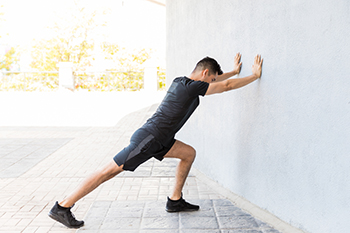
Achilles tendon injuries, including strains, tendinitis, tears, can cause pain and stiffness at the back of the ankle. These injuries often result from overuse, sudden increases in activity, or tight calf muscles. Athletes, runners, and people who spend long hours on their feet are particularly at risk. Strengthening and stretching exercises can help support recovery and prevent future injury. A simple calf stretch can improve flexibility and reduce tendon strain. Standing facing a wall, placing one foot forward, and pressing the hands against the wall while keeping the back leg straight can help loosen tight muscles. Eccentric heel drops strengthen the Achilles and calf muscles by lowering the heels slowly below a step and then rising back up. Toe raises, where you lift onto your toes, hold briefly, and slowly lower, build strength in the lower leg. For persistent Achilles tendon pain, it is suggested that you consult a podiatrist for proper care.
Achilles tendon injuries need immediate attention to avoid future complications. If you have any concerns, contact Dr. Arnold Tarpley, Jr. of Tarpley Foot and Ankle Center. Dr. Tarpley can provide the care you need to keep you pain-free and on your feet.
What Is the Achilles Tendon?
The Achilles tendon is a tendon that connects the lower leg muscles and calf to the heel of the foot. It is the strongest tendon in the human body and is essential for making movement possible. Because this tendon is such an integral part of the body, any injuries to it can create immense difficulties and should immediately be presented to a doctor.
What Are the Symptoms of an Achilles Tendon Injury?
There are various types of injuries that can affect the Achilles tendon. The two most common injuries are Achilles tendinitis and ruptures of the tendon.
Achilles Tendinitis Symptoms
Rupture Symptoms
Treatment and Prevention
Achilles tendon injuries are diagnosed by a thorough physical evaluation, which can include an MRI. Treatment involves rest, physical therapy, and in some cases, surgery. However, various preventative measures can be taken to avoid these injuries, such as:
If you have any questions please feel free to contact one of our offices located in Uniontown, and Connellsville, PA . We offer the newest diagnostic tools and technology to treat your foot and ankle needs.
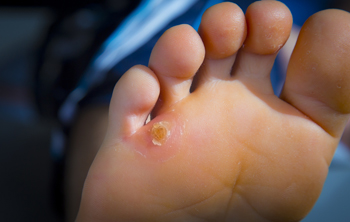
Corns, or hyperkeratosis, are thickened patches of skin that often develop on the feet due to various factors, with age being a primary contributor. As people age, changes in foot structure, joint alignment, and foot function can lead to altered gait patterns, increasing the risk of corn formation. Ill-fitting socks and shoes are also common causes. Loose socks can cause friction, while tight socks irritate the skin. Shoes that are too tight or too loose, particularly high-heeled or narrow shoes, can create localized pressure, leading to corns. Obesity can affect weight distribution and gait. This leads to foot deformities like flat feet or excessive pronation, which can also predispose individuals to corns. Structural issues like hammertoes or bunions can worsen the problem. Treatment varies based on severity and location. A podiatrist may use debridement to remove thickened skin or perform surgery in more advanced cases. Corticosteroid injections may also help with pain. If you are experiencing corn pain, it is suggested that you make an appointment with a podiatrist for proper care.
If you have any concerns regarding your feet and ankles, contact Dr. Arnold Tarpley, Jr. of Tarpley Foot and Ankle Center. Dr. Tarpley will treat your foot and ankle needs.
Corns: What Are They? and How Do You Get Rid of Them?
Corns can be described as areas of the skin that have thickened to the point of becoming painful or irritating. They are often layers and layers of the skin that have become dry and rough, and are normally smaller than calluses.
Ways to Prevent Corns
There are many ways to get rid of painful corns such as wearing:
Treating Corns
Treatment of corns involves removing the dead skin that has built up in the specific area of the foot. Consult with Dr. Tarpley to determine the best treatment option for your case of corns.
If you have any questions please feel free to contact one of our offices located in Uniontown, and Connellsville, PA . We offer the newest diagnostic and treatment technologies for all your foot and ankle needs.

Your feet are covered most of the day. If you're diabetic, periodic screening is important for good health. Numbness is often a sign of diabetic foot and can mask a sore or wound.
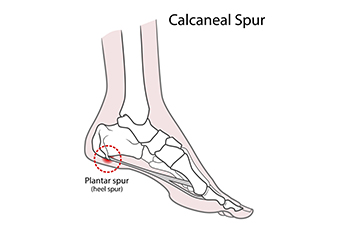
A heel spur is a bony growth that often forms on the underside of the heel bone, typically as a result of prolonged stress and pressure. This condition develops when calcium deposits accumulate over time, leading to the formation of a sharp point on the heel. Heel spurs are commonly caused by repetitive stress from activities like running or standing for long periods. Heel spurs can also be linked to other factors, including obesity, poor footwear, and certain medical conditions, such as arthritis. The symptoms of heel spurs include sharp pain in the heel, especially when walking or standing after long periods of rest. Swelling and inflammation surrounding the affected area are also common. Individuals with flat feet or high arches are at an increased risk, as these foot structures can put additional strain on the heel. If you have heel pain, it is strongly suggested that you promptly consult a podiatrist who can provide a proper diagnosis and treatment options.
Heel spurs can be incredibly painful and sometimes may make you unable to participate in physical activities. To get medical care for your heel spurs, contact Dr. Arnold Tarpley, Jr. from Tarpley Foot and Ankle Center. Dr. Tarpley will do everything possible to treat your condition.
Heels Spurs
Heel spurs are formed by calcium deposits on the back of the foot where the heel is. This can also be caused by small fragments of bone breaking off one section of the foot, attaching onto the back of the foot. Heel spurs can also be bone growth on the back of the foot and may grow in the direction of the arch of the foot.
Older individuals usually suffer from heel spurs and pain sometimes intensifies with age. One of the main condition's spurs are related to is plantar fasciitis.
Pain
The pain associated with spurs is often because of weight placed on the feet. When someone is walking, their entire weight is concentrated on the feet. Bone spurs then have the tendency to affect other bones and tissues around the foot. As the pain continues, the feet will become tender and sensitive over time.
Treatments
There are many ways to treat heel spurs. If one is suffering from heel spurs in conjunction with pain, there are several methods for healing. Medication, surgery, and herbal care are some options.
If you have any questions feel free to contact one of our offices located in Uniontown, and Connellsville, PA . We offer the latest in diagnostic and treatment technology to meet your needs.


