
Uniontown
Connellsville
Connellsville
(724) 320-2447
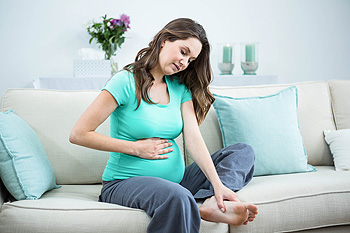
Pregnancy is a transformative journey, both physically and emotionally. While the focus is often on the growing belly and changing hormones, the feet and ankles quietly bear the burden of these changes also. Swollen feet and ankles, a common pregnancy woe, occur due to increased blood volume and pressure on veins, causing fluid retention. This can lead to discomfort and sometimes pain. Additionally, hormonal shifts can affect ligaments, making them more relaxed and prone to injury. As pregnancy progresses, the arches of the feet may flatten, leading to fallen arches or flat feet. These changes can persist even after childbirth. Fortunately, there are ways to alleviate these issues, such as wearing comfortable, supportive shoes, elevating the feet when possible, and staying hydrated. Pregnancy is a beautiful journey, and it is essential to remember that taking care of your feet and ankles is an integral part of the process. If you would like more information about proper foot care during pregnancy, it is suggested that you speak with a podiatrist who can provide you with useful tips.
Pregnant women with swollen feet can be treated with a variety of different methods that are readily available. For more information about other cures for swollen feet during pregnancy, consult with Dr. Arnold Tarpley, Jr. from Tarpley Foot and Ankle Center. Dr. Tarpley will attend to all of your foot and ankle needs.
What Foot Problems Can Arise During Pregnancy?
One problem that can occur is overpronation, which occurs when the arch of the foot flattens and tends to roll inward. This can cause pain and discomfort in your heels while you’re walking or even just standing up, trying to support your baby.
Another problem is edema, or swelling in the extremities. This often affects the feet during pregnancy but tends to occur in the later stages.
How Can I Keep My Feet Healthy During Pregnancy?
If you have any questions please feel free to contact one of our offices located in Uniontown, and Connellsville, PA . We offer the newest diagnostic and treatment technologies for all your foot and ankle needs.
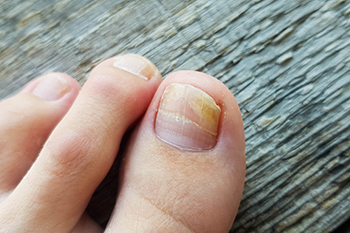
Toenail fungus, or onychomycosis, is a condition caused by dermatophytes, a group of fungi that thrive in warm, damp environments like your feet. It often begins as a white or yellow spot under the tip of the toenail and can progress to thickening, discoloration, and even nail detachment if left untreated. Ways to treat and subsequently prevent toenail fungus include washing your feet daily with soap and water, paying special attention to the toenails, and then drying your feet thoroughly, including the spaces between your toes to prevent moisture buildup. Wear shoes made of breathable materials, like leather or mesh, to reduce moisture accumulation and avoid wearing tight-fitting shoes for extended periods. In addition, change your socks daily, and opt for moisture-wicking socks if you sweat excessively. Use antifungal foot powder or spray to keep your feet dry and prevent fungal growth. Wear flip-flops or shower shoes in communal showers, locker rooms, and pool areas to minimize the risk of exposure to the fungus. If your toenail fungus persists or worsens despite these measures, it is suggested that you make an appointment with a podiatrist who can recommend prescription medications, laser therapy, or in severe cases, surgical nail removal.
For more information about treatment, contact Dr. Arnold Tarpley, Jr. of Tarpley Foot and Ankle Center. Dr. Tarpley can provide the care you need to keep you pain-free and on your feet.
Toenail Fungus Treatment
Toenail fungus is a condition that affects many people and can be especially hard to get rid of. Fortunately, there are several methods to go about treating and avoiding it.
Antifungals & Deterrence
Oral antifungal medicine has been shown to be effective in many cases. It is important to consult with a podiatrist to determine the proper regiment for you, or potentially explore other options.
Applying foot powder on the feet and shoes helps keep the feet free of moisture and sweat.
Sandals or open toed shoes – Wearing these will allow air movement and help keep feet dry. They also expose your feet to light, which fungus cannot tolerate. Socks with moisture wicking material also help as well.
If you have any questions please feel free to contact one of our offices located in Uniontown, and Connellsville, PA . We offer the newest diagnostic tools and technology to treat your foot and ankle needs.
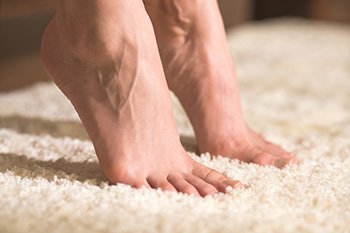
The bones in your toes are called phalanges, consisting of two or three segments, depending on the toe. These toe bones connect to the metatarsals in your foot through joints with cartilage that allows for smooth movement. Further, the body produces a fluid known as synovium to lubricate these joints and facilitate ease of motion. While toes lack muscles, the tendons and ligaments connect them to muscles in your foot and legs, allowing for movement. Over time, factors like extended standing, running, or ill-fitting shoes can cause toe misalignment. Toe exercises are effective in realigning them, alleviating discomfort, and enhancing overall foot health. Cramped toes can be quite uncomfortable and painful. Stretching exercises help in relaxing your toes, and relieving tension and discomfort. Toe stretches enhance their flexibility, making them more adaptable and less prone to stiffness. Toe exercises also stimulate increased blood flow, which can effectively alleviate pain and reduce swelling. Flexible toes are less susceptible to injuries, making toe exercises essential to injury prevention. If you have toe pain that inhibits your daily activities, it is suggested that you make an appointment with a podiatrist.
Exercising your feet regularly with the proper foot wear is a great way to prevent injuries and build strength. If you have any concerns about your feet, contact Dr. Arnold Tarpley, Jr. from Tarpley Foot and Ankle Center. Dr. Tarpley can provide the care you need to keep you pain-free and on your feet.
Exercise for Your Feet
Exercise for your feet can help you gain strength, mobility and flexibility in your feet. They say that strengthening your feet can be just as rewarding as strengthening another part of the body. Your feet are very important, and we often forget about them in our daily tasks. But it is because of our feet that are we able to get going and do what we need to. For those of us fortunate enough to not have any foot problems, it is an important gesture to take care of them to ensure good health in the long run.
Some foot health exercises can include ankle pumps, tip-toeing, toe rises, lifting off the floor doing reps and sets, and flexing the toes. It is best to speak with Dr. Tarpley to determine an appropriate regimen for your needs. Everyone’s needs and bodies are different, and the activities required to maintain strength in the feet vary from individual to individual.
Once you get into a routine of doing regular exercise, you may notice a difference in your feet and how strong they may become.
If you have any questions please feel free to contact one of our offices located in Uniontown, and Connellsville, PA . We offer the newest diagnostic and treatment technologies for all your foot and ankle needs.
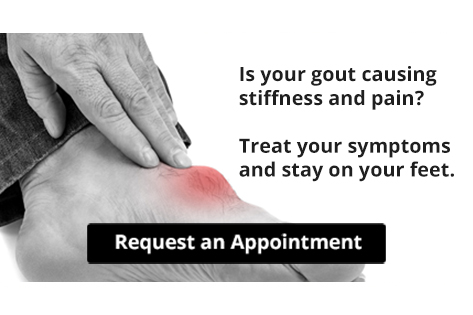
Gout is a painful, inflammatory form of arthritis. Those affected will typically feel an intense stiffness in the joints of their feet, particularly in the big toe. Schedule a visit to learn about how gout can be managed and treated.
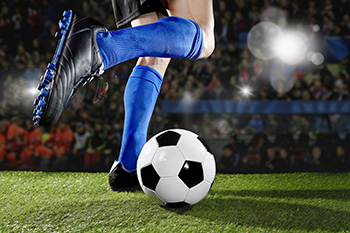
In the game of soccer, feet are undeniably your most important asset. Fancy footwork doesn't matter if you have turf toe, cramps, or athlete's foot. It is important to guard against these types of problems by caring for your feet, toes, and ankles. Foot care tips for soccer players include keeping toenails and calluses trimmed. The fit of the cleats also matters, because improper fitting can harm your feet's shape and structure, resulting in hammertoe or turf toe problems. Ensure that your cleats offer enough toe room. Combat plantar fasciitis with rolling exercises, using a frozen bottle of water or a tennis ball to apply pressure to the arch. It may hurt initially, but the pain will usually fade. Compression socks can reduce swelling, as well as keep sore feet and legs elevated. Many soccer players wear double socks to increase comfort and support. Wearing one sweat sock and a thin compression sock is thought to be effective. Keep feet clean to avoid athlete's foot and fungal infections and change socks as they get wet. Monitor feet for cracks, discolorations, bruises, and blisters. If you are an avid soccer player experiencing foot pain or other problems, it is suggested that you make an appointment with a podiatrist.
Sports related foot and ankle injuries require proper treatment before players can go back to their regular routines. For more information, contact Dr. Arnold Tarpley, Jr. of Tarpley Foot and Ankle Center. Dr. Tarpley can provide the care you need to keep you pain-free and on your feet.
Sports Related Foot and Ankle Injuries
Foot and ankle injuries are a common occurrence when it comes to athletes of any sport. While many athletes dismiss the initial aches and pains, the truth is that ignoring potential foot and ankle injuries can lead to serious problems. As athletes continue to place pressure and strain the area further, a mild injury can turn into something as serious as a rupture and may lead to a permanent disability. There are many factors that contribute to sports related foot and ankle injuries, which include failure to warm up properly, not providing support or wearing bad footwear. Common injuries and conditions athletes face, including:
Sports related injuries are commonly treated using the RICE method. This includes rest, applying ice to the injured area, compression and elevating the ankle. More serious sprains and injuries may require surgery, which could include arthroscopic and reconstructive surgery. Rehabilitation and therapy may also be required in order to get any recovering athlete to become fully functional again. Any unusual aches and pains an athlete sustains must be evaluated by a licensed, reputable medical professional.
If you have any questions please feel free to contact one of our offices located in Uniontown, and Connellsville, PA . We offer the newest diagnostic and treatment technologies for all your foot and ankle needs.


